
The Czech president plans to attend the NATO summit despite the prime minister's intention to go with the foreign minister
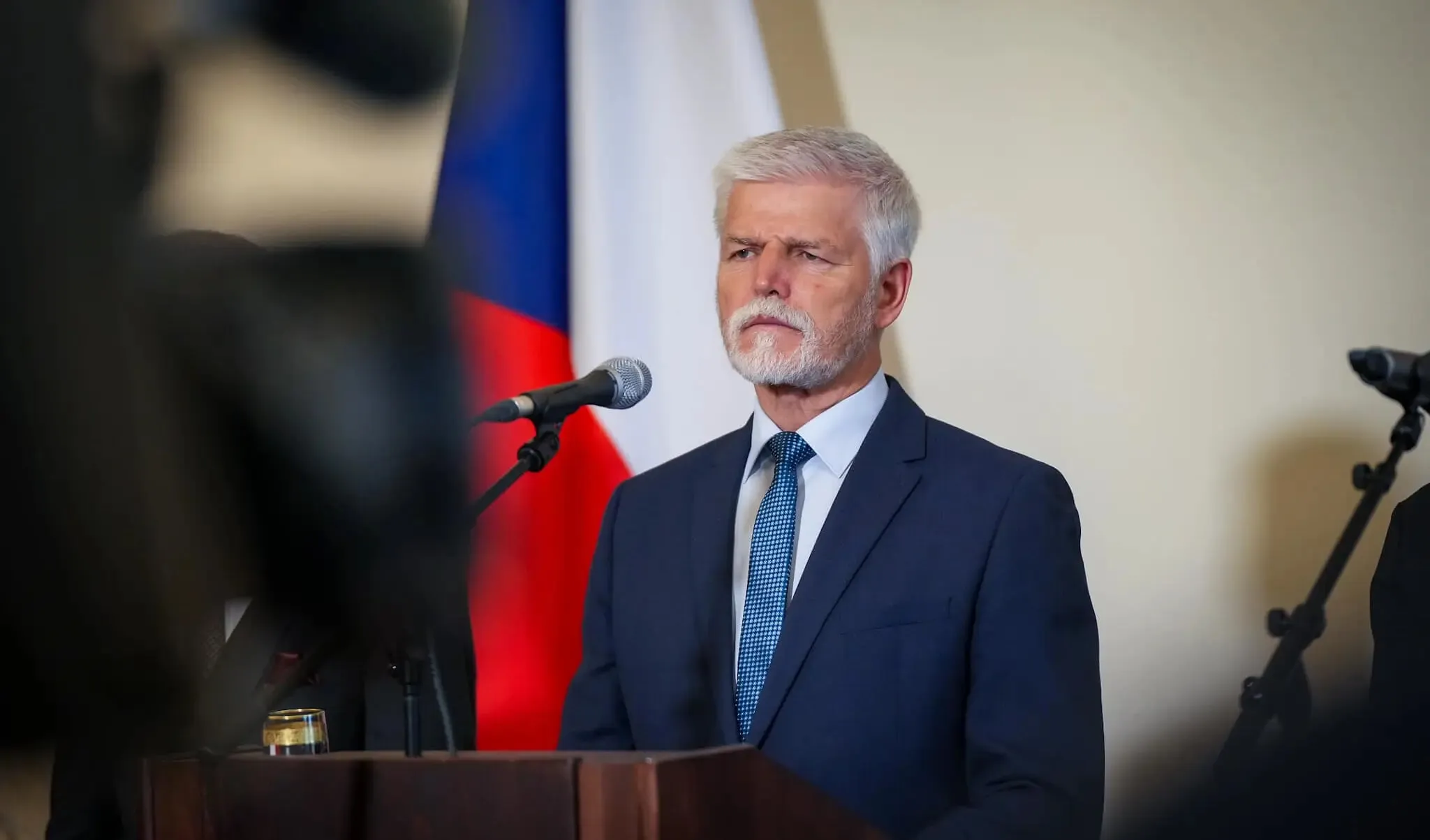
Czech President Petr Pavel plans to attend the upcoming NATO summer summit in Ankara, despite the government's attempts to limit the size of the Czech delegation.
This was reported by the publication Ceske Noviny.
The Office of the President is currently negotiating with the Prime Minister’s Office to coordinate a joint schedule.
Prague Castle emphasizes that the country’s representation at such a high level must be joint—involving the president, the prime minister, and the foreign minister.
The conflict over the delegation’s composition has escalated due to the position of Foreign Minister Petr Macinka, who openly opposes the president’s presence at the summit.
The dispute has political roots and dates back to January, when a rift emerged among politicians over the appointment of the environment minister.
Now, representatives of the ruling coalition are calling Petr Pavel an “opposition representative” and are trying to distance him from foreign policy negotiations.
Prime Minister Andrej Babiš supports the foreign minister’s position, considering his own presence in Ankara more appropriate.
According to the head of government, it was the cabinet that drafted the budget and the country’s development strategy, so government representatives will be better able to justify the Czech Republic’s defense spending to its allies.
“Government representatives will be better able to explain this year’s defense spending to our allies, including U.S. President Donald Trump,” Babiš emphasized.
Criticism directed at Petr Pavel also concerns his previous experience participating in Alliance events in Vilnius, Washington, and The Hague.
The prime minister argues that the president previously attended summits under “standard circumstances,” when the country did not have to defend complex budgetary decisions.
However, according to government officials, the current geopolitical situation requires the presence of those directly responsible for funding the military and familiar with the details of defense planning for the coming years.
As a reminder, the Czech Republic is improving conditions for its companies operating in Ukraine.
The Czech Republic will cut its foreign humanitarian aid by more than three times.
As a reminder, the Estonian government will allocate 400,000 euros for Ukraine’s humanitarian needs to address the consequences of Russian strikes on energy infrastructure amid freezing temperatures.
Earlier, the Estonian government discussed trade issues at the border with Russia and decided to improve the effectiveness of controls on the movement of goods subject to sanctions.
Estonia has provided Ukraine with humanitarian aid in the form of five fully equipped ambulances and medical equipment.


