
President Tinubu announces Nigeria’s course toward broad prosperity — Premium Times Nigeria
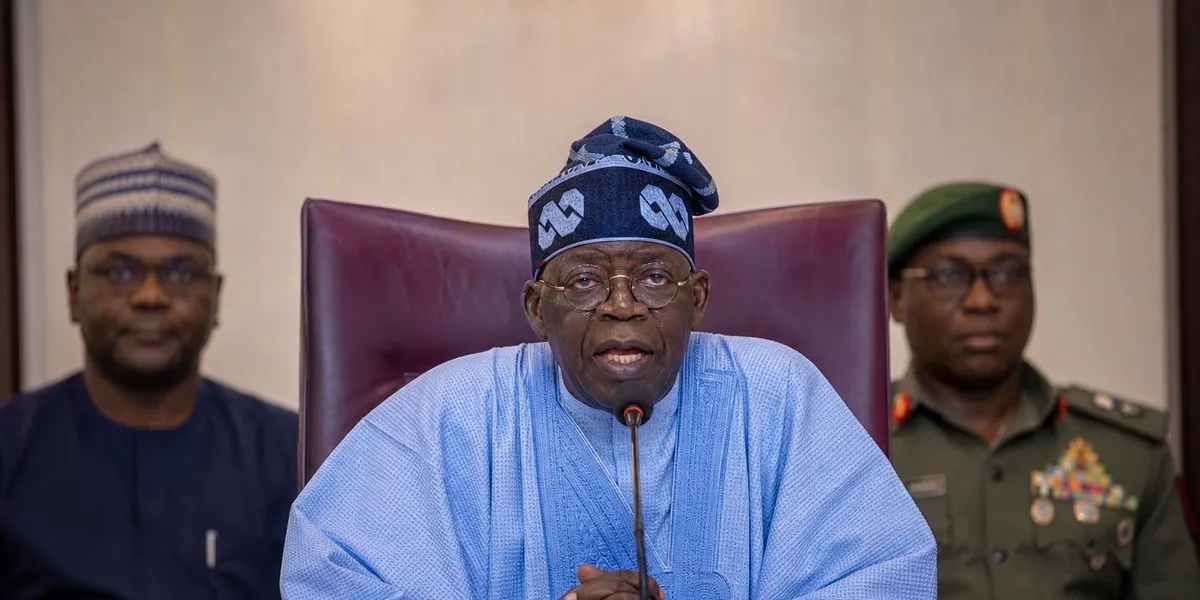
Nigerian President Bola Ahmed Tinubu, in an address marking the country’s 66th independence anniversary on October 1, announced the end of the phase of urgent economic reforms and the beginning of an “era of prosperity.” This is stated in the text of the speech published by Premium Times Nigeria.
Statements on the economy
Tinubu said that his administration’s reforms had been painful, but were intended to eliminate deep imbalances in the economy rather than cause them. He also urged against returning to subsidies, which he described as an addiction.
According to the president, Nigeria’s economy grew by more than 4% this year, with growth driven by both the oil and non-oil sectors. He claims that oil theft and inflation have declined from peak levels, foreign exchange reserves have recovered, and the currency market has stabilized.
Tinubu also said that Nigeria’s non-oil export revenues reached a record high in 2025 and exceeded $6 billion.
More current news is available on the UA.News Telegram channel Telegram.
Cost of living and employment
The president named reducing the cost of living through lower production and delivery costs as the main task of the new phase. He announced plans to expand mechanized irrigation and dry-season farming, improve farmers’ access to seeds and fertilizers, and invest in product storage and transportation.
Among other priorities, Tinubu named the construction and completion of roads, railways, and ports, the development of gas-based industry, digital connectivity, and vocational skills. He promised to support businesses through infrastructure development and access to financing.
Social support
The president acknowledged that millions of Nigerian families still struggle to pay for food, education, healthcare, and transportation to work. He announced stronger direct assistance for the poorest households and improvements to the National Social Register.
Tinubu also mentioned the Nigerian Education Loan Fund and CREDICORP, which, he said, provides workers with access to consumer loans for transport, solar systems, digital devices, and other essential assets. The authorities, he said, will continue to strengthen primary healthcare, basic education, and other public services on which low-income citizens depend most.




