
Vietnam’s president says trade deal with the US is close — The Japan Times
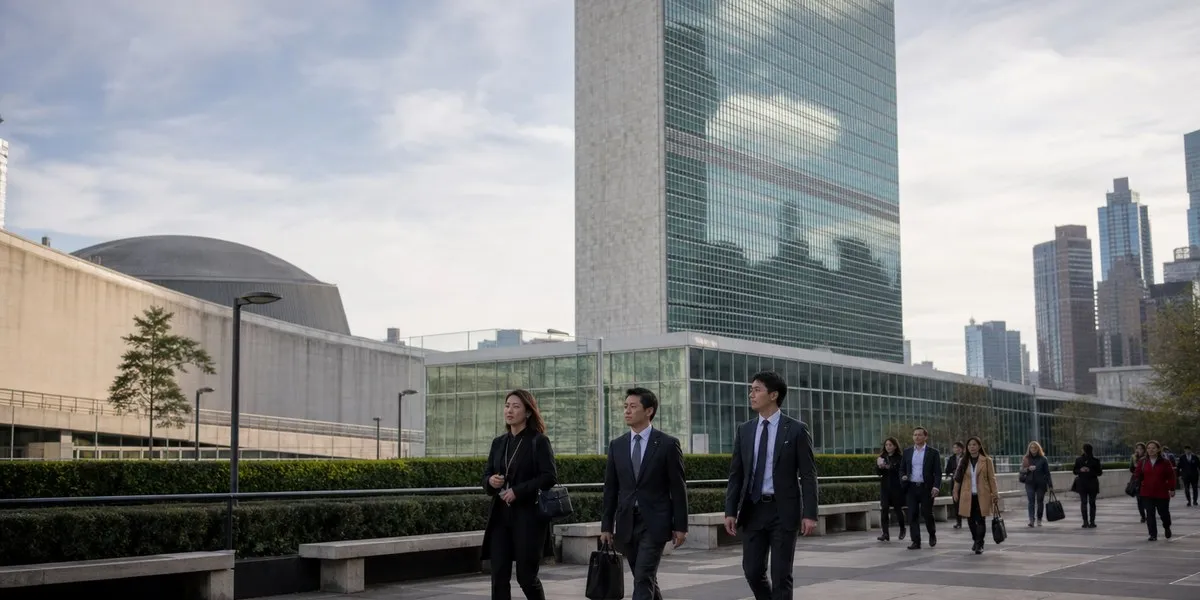
Vietnamese President To Lam said in New York that Hanoi is very close to concluding a trade deal with the United States. Before talks with representatives of the US administration, he said Vietnam was ready to increase purchases of high-tech goods from the United States, including aircraft, to reduce the trade imbalance, The Japan Times reports.
Tariff negotiations
To Lam, who also heads Vietnam’s Communist Party, said the sides should accelerate negotiations on an agreement on reciprocal, balanced and fair tariffs. According to him, Vietnamese exports meet demand in the United States and do not compete directly with American goods.
Vietnam has been negotiating a final trade agreement with the United States for several months. Among the main contentious issues are the transshipment of goods through Vietnam and non-tariff barriers. Washington is using Vietnam’s significant bilateral trade surplus with the United States as leverage on Hanoi, seeking to reduce the imbalance.
After meeting with To Lam, US Trade Representative Jamieson Greer said the negotiating teams had made significant progress and were close to a final outcome. This was reported by the Vietnamese government’s website.
More current news is available on the UA.News Telegram channel Telegram.
Control over Chinese components
US officials insist that Vietnam strengthen rules for determining the origin of goods, customs controls and oversight of Chinese components. The United States is concerned by reports of possible repackaging of Chinese goods and their rerouting through Vietnam.
To Lam said that Vietnam does not allow the transshipment of such goods, and that products must actually be manufactured in the country and comply with international standards. He also said Hanoi wants to increase imports from the United States of aircraft, products for nuclear energy, as well as road and railway infrastructure.
Vietnam is simultaneously the subject of three US Section 301 investigations and pays a 12.5% tariff under a US investigation into goods produced using forced labor. The country is also being examined over possible excess production capacity and potential intellectual property rights violations.


