
Ghana imports $1.49 million worth of flowers annually despite local production potential — MyJoyOnline
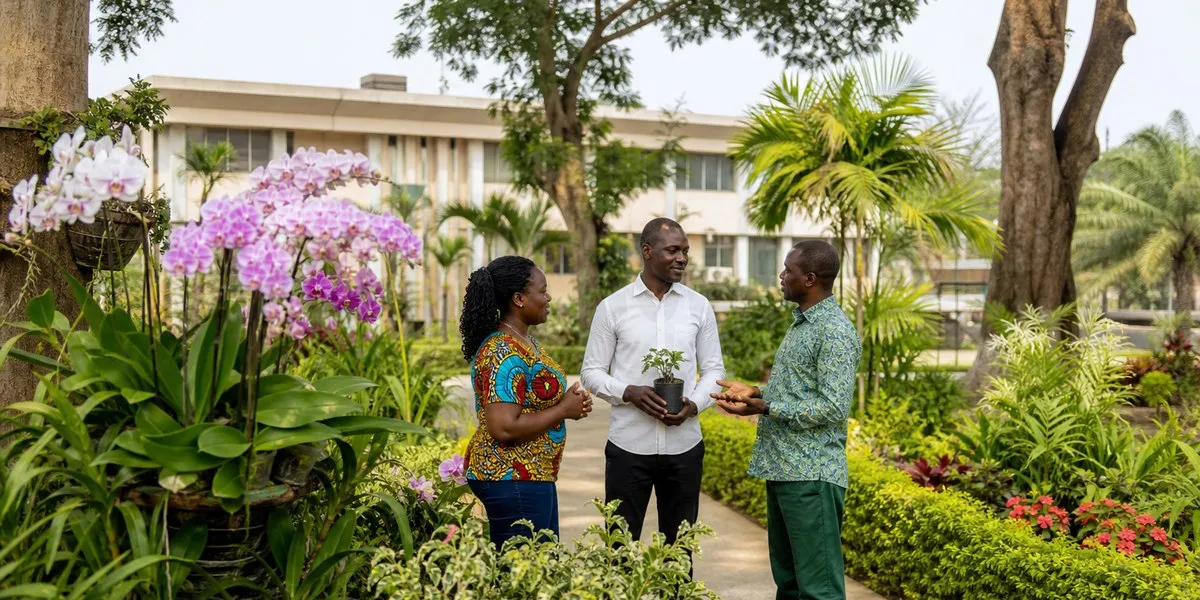
Ghana spends about $1.49 million annually on imports of floricultural products, although the country has opportunities to develop local flower cultivation. This was stated by Antoinette Enyonam Amegbetor, administrator of the Parks and Gardens Department, during a visit to the agency’s office in the Cantonments district of the capital, Accra, MyJoyOnline reports.
According to her, flowers in the country are mostly valued for their decorative qualities, while their potential to create a more comfortable environment and support emotional well-being is underused. Amegbetor believes that greening homes, workplaces and medical facilities can contribute to a calmer atmosphere and lower stress levels.
Flower imports and business opportunities
UN COMTRADE database data cited by the outlet cover a broad category of floricultural products: live trees, plants, bulbs, roots and cut flowers. Ghana spends an estimated $400,000 to $700,000 per year specifically on imports of fresh-cut flowers.
Kenya is the main supplier of fresh flowers, followed by the Netherlands and South Africa. Commercial consignments, according to MyJoyOnline, arrive in the country by air about three times a week, including for weddings, funerals and corporate events.
More current news is available on the UA.News Telegram channel Telegram.
Amegbetor noted that expanding local production could create jobs, new business opportunities and reduce dependence on imports. The Parks and Gardens Department grows plants for sale and also provides services to private individuals, companies and non-governmental organizations.
Community greening and plant selection
The department representative stressed that successful flower cultivation requires taking into account the needs of each species: soil, light levels, shade and other environmental conditions. She explained that plants adapted to shaded areas may lose their appearance and fail to develop properly in direct sunlight.
The agency also conducts educational outreach in schools, churches and communities, encouraging residents to plant vegetation. Amegbetor called for greater use of green spaces in planning densely populated areas, places with sanitation problems and degraded sites. She specifically mentioned bamboo as a plant that can be used to restore certain waterlogged or disturbed areas and sequester carbon.


