
Flash floods damaged about 40% of the Grand Canyon water pipeline
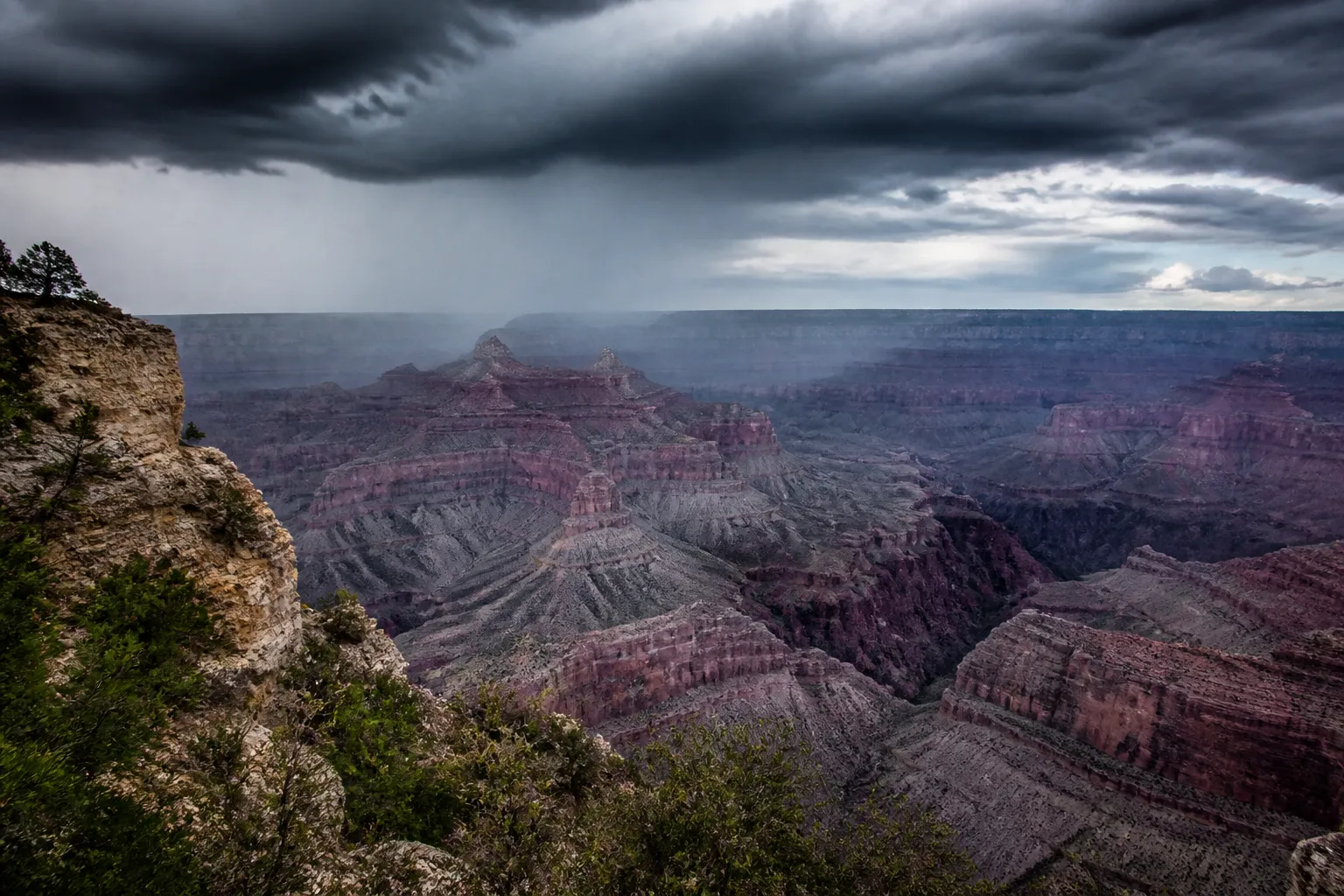
In Grand Canyon National Park in the U.S. state of Arizona, flash floods damaged or destroyed about 40% of the only water pipeline that supplies water to park visitors. According to the Korea Herald, the disaster also complicated a long-term project to repair and replace the pipeline.
Water restrictions and evacuation
Heavy rains caused flooding that killed at least two people. More than a dozen people were missing or had an undetermined status, while more than 60 people were evacuated.
Park authorities suspended overnight guest accommodations and urged visitors to conserve water on the South Rim of the canyon, where most visitors are located. People were asked to reduce shower time, turn off the tap while brushing their teeth, and flush toilets selectively to preserve limited supplies.
Part of the park was closed due to flooding. The National Park Service also warned of the possibility of further flooding and advised people to reconsider plans for hiking, rafting, or trips to narrow canyons and usually dry riverbeds.
More current news is available on the UA.News Telegram channel Telegram.
The water pipeline frequently failed
The 20-kilometer Transcanyon Waterline was completed in the 1970s. It runs from one side of the canyon to its bottom, crosses a bridge, and then climbs up the other side. Since 2010, the pipeline has sustained more than 85 failures.
Repairs in the difficult terrain require considerable time and money, and helicopters are used for some work. In 2023, a project costing more than $200 million was launched, providing for the replacement of several miles of pipeline, the construction of helicopter pads, and the building of water treatment facilities. Officials previously said that after the project is completed, the park will be able to meet water needs for the next 50 years or more.
About 4.4 million people visited the Grand Canyon last year. During a 28-day repair of the water pipeline in 1995, water was delivered to the park by tanker trucks.


