
TimesLIVE editorial urges South African authorities to prepare for El Niño
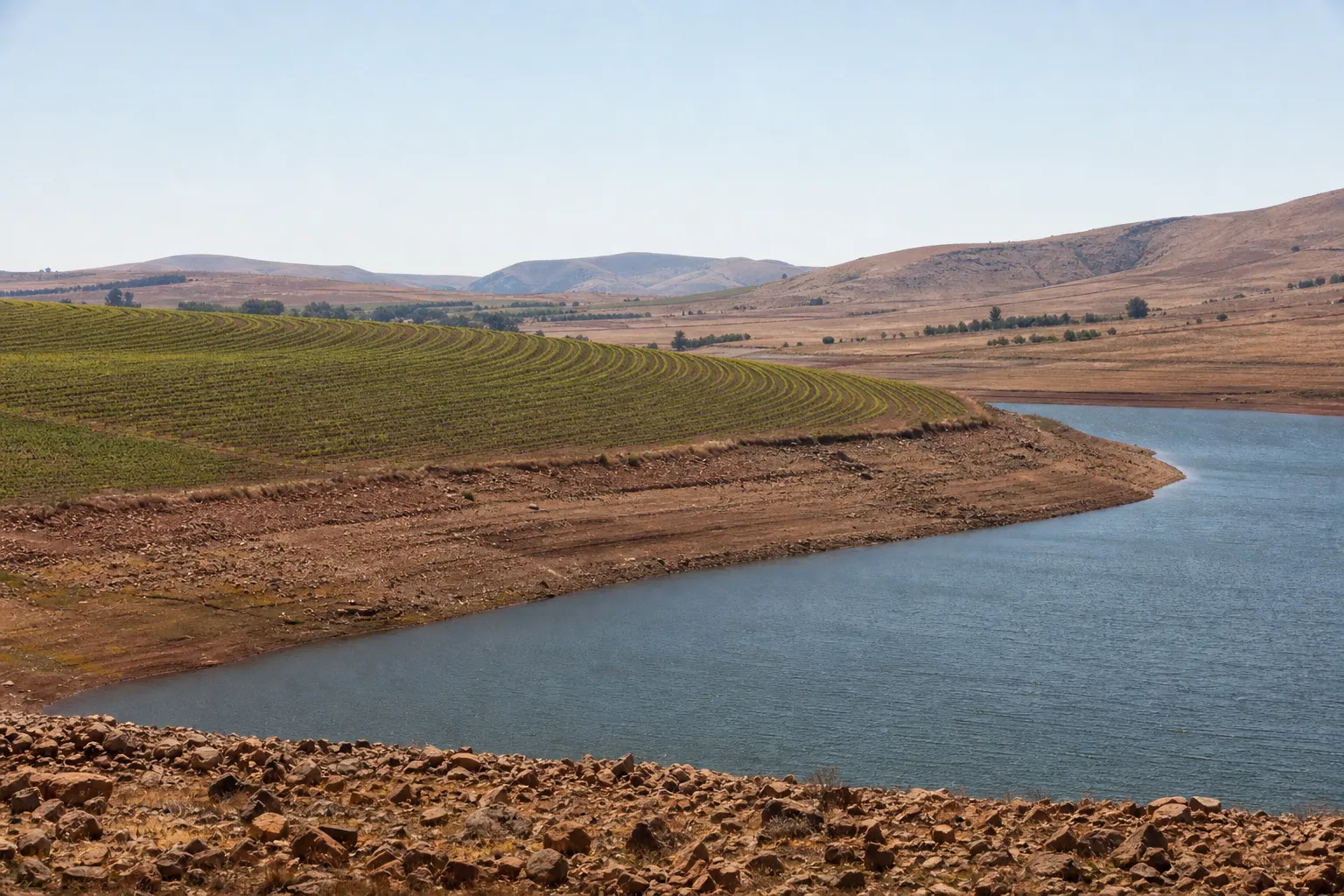
The editorial board of the South African publication TimesLIVE has urged the authorities of the Republic of South Africa to prepare in advance for a possible intensification of the El Niño climate phenomenon. According to a World Meteorological Organization warning cited in the article, the phenomenon may intensify and last until February next year.
The editorial states that South Africa is forecast to face higher temperatures and below-normal rainfall. According to the authors, the potential consequences could affect water supply, agriculture, food prices and the country’s economy.
Risks to water and food
The publication recalled that the previous major El Niño cycle caused a severe drought in Southern Africa, resulting in crop failures, rising food prices, water shortages and hunger for millions of people. In the editorial board’s view, South Africa is entering a new period of risk amid a significant burden on water infrastructure, municipalities’ problems with maintaining basic services, and rising production costs for farmers.
More current news is available on the UA.News Telegram channel Telegram.
According to an assessment by the African Development Bank cited by TimesLIVE, a severe El Niño could cost affected African economies between $10 billion and $20 billion. The article stresses that a poor harvest leads to higher food prices, while reduced water availability affects both farmers and cities and can increase the risk of fires.
Call for preventive action
The authors pointed to individual adaptation measures: farmers are using more drought-resistant seeds and technologies, while the Southern African Development Community has recognized the need for greater investment in irrigation. At the same time, the editorial board believes that adaptation cannot be left solely to farmers and communities.
The publication called on the government to explain transparently whether water systems are being inspected and repaired, whether municipalities have the necessary resources, whether food stocks are sufficient, and whether emergency response systems are prepared for fires and extreme heat.


