
Putin's approval rating has plummeted due to increased censorship in Russia — ISW
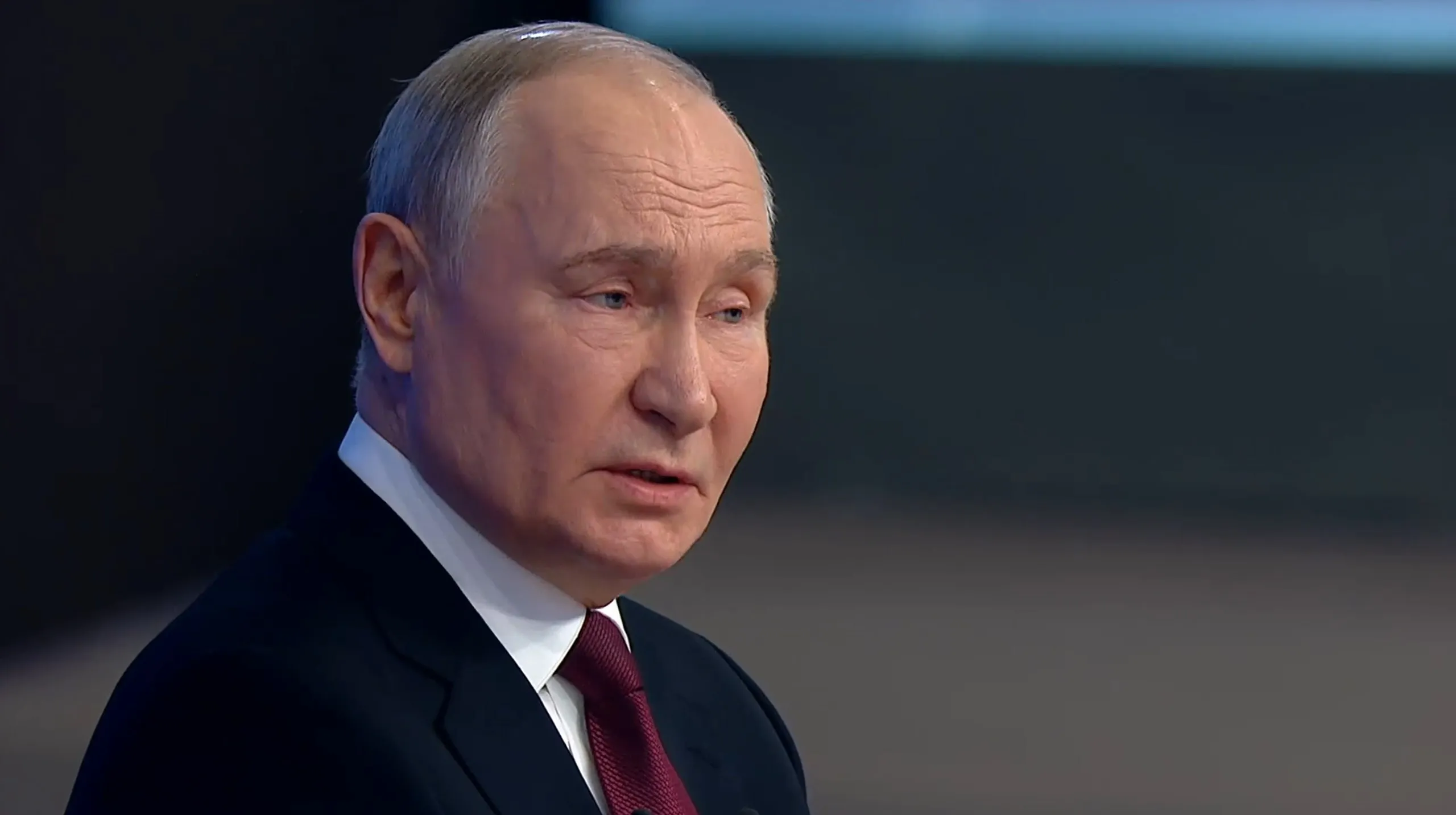
The Kremlin has faced an unexpectedly strong backlash from Russian society over its attempts to exert total control over the information space.
According to a report by the Institute for the Study of War (ISW), widespread dissatisfaction with censorship policies has led to the sharpest drop in trust in the Russian dictator in the past seven years.
A poll conducted by the pro-government Public Opinion Forum (FOM) in late March recorded a 5% drop in Vladimir Putin’s approval rating.
The figure fell from 76% to 71%, marking the sharpest drop in the Kremlin leader’s popularity since 2019.
The main trigger for public frustration was the government’s decision to significantly restrict access to the Telegram messaging app in February 2026.
Since then, the dictator’s approval rating has shown a steady decline, as the service is critically important for both everyday communication and news consumption.
A wave of criticism has even swept through the traditionally loyal ranks of Russian propagandists and so-called “war correspondents.”
They are publicly expressing outrage over the platform’s blocking, emphasizing that it disrupts communication systems within the occupying forces and requires massive budgetary expenditures amid soaring inflation.
Telegram founder Pavel Durov reported that the Kremlin’s digital blockade has proven ineffective, as approximately 65 million Russians use VPNs daily to bypass the blocks.
Instead, Roskomnadzor’s clumsy actions have caused a massive technical collapse in the country’s banking sector.
As a reminder, Polish Foreign Minister Radosław Sikorski stated that Russian President Vladimir Putin’s true goal is not to achieve peace, but to defeat Ukraine, which poses a threat to all of Europe.
Putin has sharply reduced his public appearances and rarely leaves Moscow.




