
Trump's approval rating has fallen to a record low of 33%
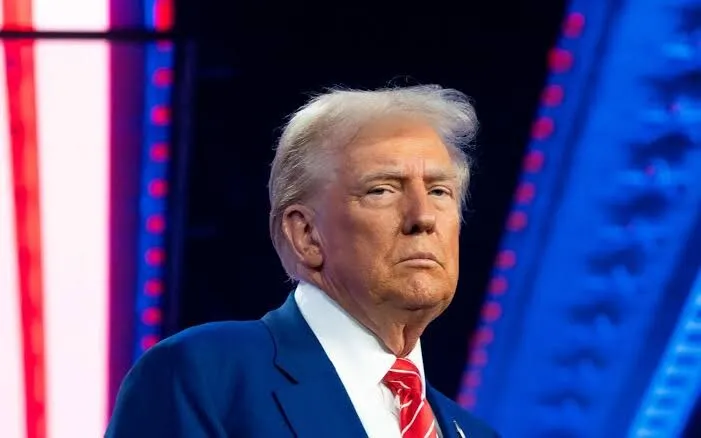
U.S. President Donald Trump’s approval rating has fallen to its lowest level since the Financial Times began conducting the poll. Only 33% of registered voters currently approve of his performance. The greatest dissatisfaction is linked to the economy, the cost of living, and the president’s trade policy.
Support for Donald Trump among American voters continues to fall. A new nationwide poll conducted for the Financial Times by Focaldata showed the president’s approval rating at a record low. Only 33% of registered voters said they approve of Trump’s performance as president.
This is the lowest figure since May, when the Financial Times began regularly asking voters this question. Over the past month, Trump’s approval rating has fallen by another three percentage points. The poll results are particularly significant ahead of the U.S. midterm elections, scheduled for November. With less than two months to go before the election, the president’s low approval rating could create additional challenges for his political party.
Support is declining even among Republicans
The drop in approval ratings is not limited to the general electorate. Among registered Republican voters, 72% of those surveyed approve of Trump’s performance. At first glance, this is still a very high figure. However, for Trump himself, it is problematic, as it is also the lowest result in the history of the Financial Times poll.
Over the past month, the president’s support among Republicans has fallen by more than two percentage points. This may indicate that some of his traditional supporters are also beginning to take a more critical view of the administration’s performance. At the same time, the main problem for Trump remains not foreign policy, but what Americans see in stores and on their own bills.
Americans are concerned about prices
One of the main reasons for the drop in his approval rating is the economic situation. The poll showed a decline in Americans’ sentiment regarding the economy and the cost of living. People are paying increasing attention to how much everyday goods cost and how easy or difficult it is to cover their regular expenses.
Economic issues, in particular, may become one of the key factors in the upcoming midterm elections. This is a particularly sensitive issue for the president. Trump has repeatedly made economic promises a key part of his political platform and has stated that his policies are meant to make the U.S. stronger. However, the poll results show that voters are not yet convinced of this.
Trump’s tariffs are also causing discontent
Americans assessed the president’s trade policy separately. The majority of those surveyed expressed disapproval of Trump’s tariffs and trade policy. The president uses tariffs as one of his main economic policy tools. His administration seeks to protect American manufacturers and force other countries to agree to trade terms that are more favorable to the U.S.
However, for ordinary consumers, tariffs can have the opposite effect. If imported goods or components become more expensive, this can ultimately affect prices in stores. That is why trade policy is becoming a political problem for Trump. Voters want to see not only strong statements about the American economy, but also real changes in their own spending.
The war in Iran is also affecting the approval rating
The poll was conducted against the backdrop of a complex international situation. According to the Financial Times, Trump has so far been unable to end the war in Iran, which has been ongoing for six months. The conflict is also affecting the U.S. economy. It has driven up the cost of borrowing for the U.S. and caused prices to rise for fuel and certain consumer goods.
This creates an additional problem for the White House. American voters judge the president not only by his foreign policy decisions but also by how those decisions affect their daily lives. Rising fuel prices are becoming particularly noticeable to the public. They affect not only motorists’ expenses but also the cost of transportation and goods. Therefore, any worsening of the price situation could put additional pressure on the president’s approval rating.
Why This Matters Ahead of the Election
The U.S. midterm elections will take place in November. In these elections, Americans will elect a new House of Representatives, as well as some members of the Senate. These elections traditionally serve as a kind of test for the incumbent president. If the president’s party loses seats in Congress, it becomes more difficult for him to implement his policies. That is precisely why the current poll results are unfavorable for Trump.
His overall approval rating has dropped to 33%, and among Republicans, to 72%. Both figures are the lowest since the Financial Times began conducting this poll. It is particularly telling that this decline is occurring amid dissatisfaction with the economy.
For Trump, this means that support from his political base alone may not be enough. To perform well in the midterm elections, Republicans will need to convince voters that the president’s economic policies are truly improving their lives. So far, Focaldata’s results show the opposite trend.
Americans are becoming increasingly critical of the cost of living, do not support a significant portion of Trump’s trade policy, and the president’s approval rating has fallen to a new low. The situation could still change before the November election. However, the poll results currently indicate a serious challenge for Trump and his party, according to the Financial Times.
The U.S. has recently stepped up diplomatic efforts to end the war, but there are no concrete details yet regarding a new negotiation process.


