
Russia is preparing a lawsuit against the Baltic states to be filed with the UN
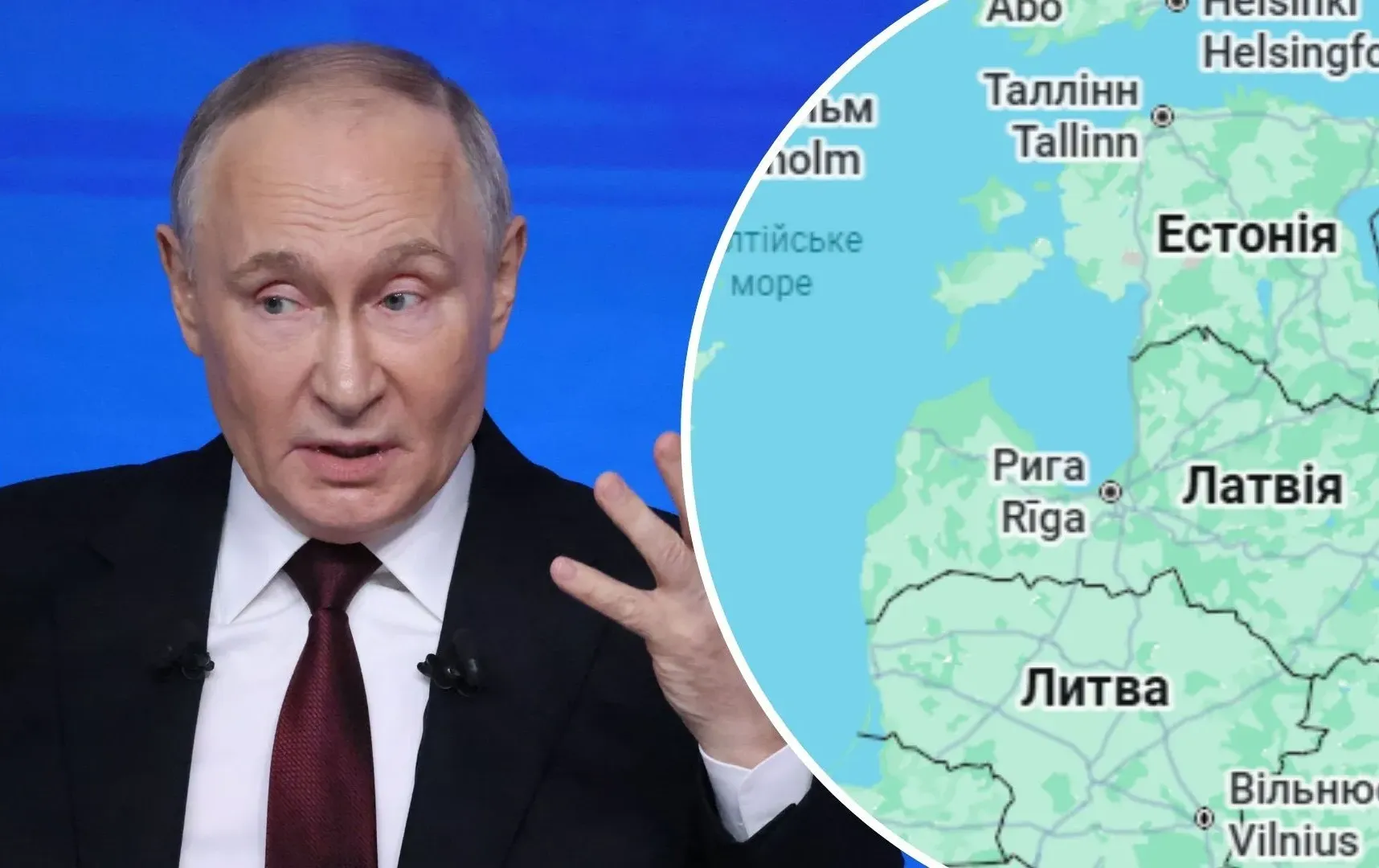
Russia has stated that it intends to file a complaint with the International Court of Justice regarding the situation of the Russian-speaking population in the Baltic states. Moscow claims that Latvia, Lithuania, and Estonia are allegedly restricting the use of the Russian language and pursuing a “policy of intimidation,” according to Russian media reports.
The Russian Ministry of Foreign Affairs stated that Moscow plans to file a complaint with the UN International Court of Justice against Latvia, Lithuania, and Estonia over these countries’ policies regarding the Russian language and the Russian-speaking population.
According to Russian media reports, the Russian Foreign Ministry claims that the Baltic states are allegedly “banning” the use of the Russian language, “rewriting history,” and engaging in “repression and intimidation.” “All attempts to resolve differences through negotiations have proven fruitless. In this regard, we will obviously have to take our claims to court by appealing to the UN’s principal judicial body—the International Court of Justice,” a representative of the Russian Foreign Ministry stated.
Russia has previously filed similar complaints with international bodies, including the UN High Commissioner for Human Rights and the OSCE High Commissioner on National Minorities. “The Ministry is conducting systematic work across all possible UN human rights platforms,” the Russian Foreign Ministry stated.
Former UN Deputy Secretary-General Sergei Ordzhonikidze called a potential lawsuit more of a political move and noted that such proceedings can drag on for years. “It is difficult to predict when the case will come to trial and how it will be handled. For the first time in the history of the International Court of Justice, there is no judge from our country on the bench,” he said.
In recent years, Russia’s relations with the Baltic states have remained extremely tense. Following the outbreak of full-scale war against Ukraine, Latvia, Lithuania, and Estonia have tightened restrictions on Russian state media, revised their education policies, and are more actively transitioning to the use of official languages in schools and public spaces.
In the Baltic states themselves, such steps are explained by national security concerns and the need to reduce Russian influence. Moscow, however, regularly uses the theme of “protecting Russian speakers” in its foreign policy and propaganda rhetoric.
Russia is constantly monitoring British military satellites in space. The Kremlin is attempting to gather information from them.
German Defense Minister Boris Pistorius stated that Russia is engaging in aggressive actions against German space communications. In this regard, he called for increased investment in space infrastructure.
As a reminder, European Commission President von der Leyen commented for the first time on the incident involving the jamming of her plane’s GPS.
Additionally, in the first four months of 2025, more than 122,600 flights in northern Europe experienced jamming of GPS and other satellite systems.


