
Russia is turning into a country of graveyards
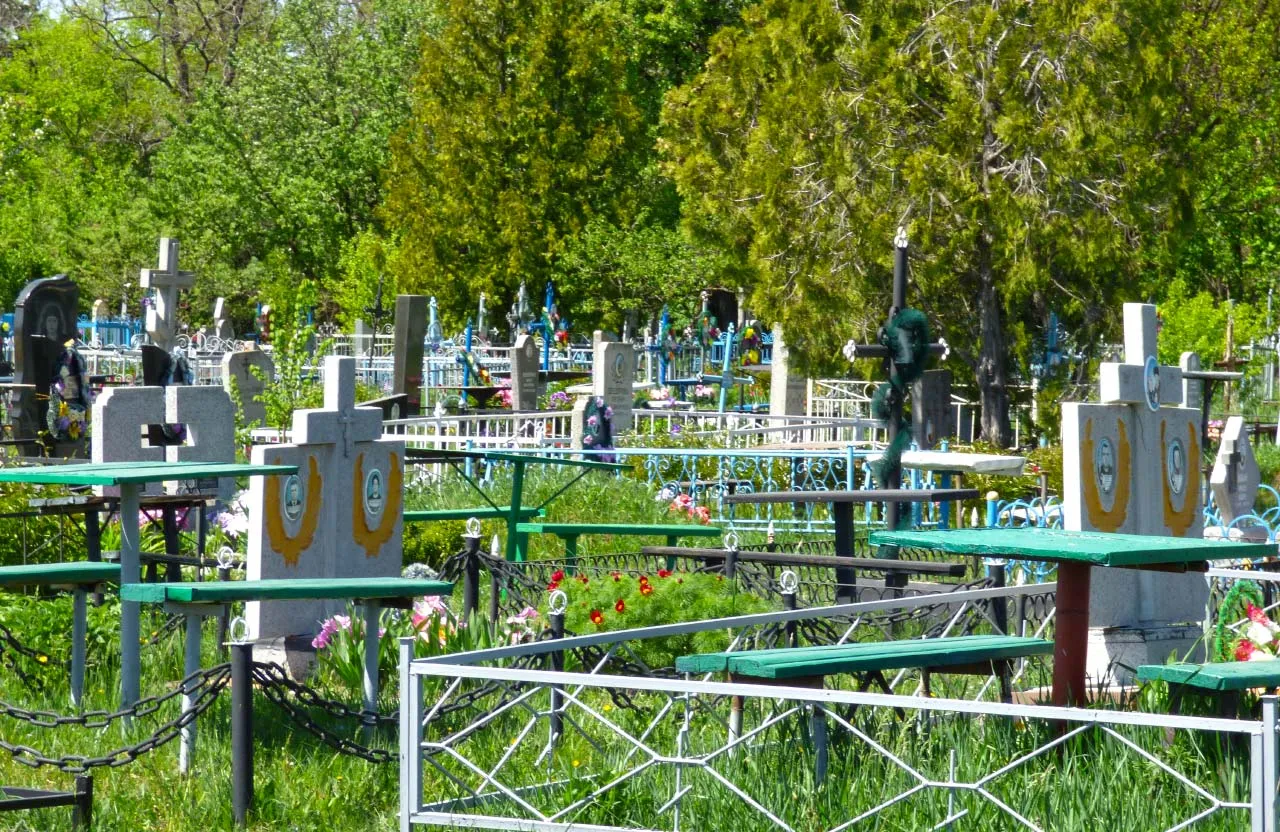
Over the past ten years, the Russian Federation has seen a sharp increase in the number of funeral facilities.
According to data from the Unified Interdepartmental Information and Statistical System, over 1,000 new cemeteries have appeared in the country, and their total number has risen from 72,760 to 73,833.
The highest concentration of burial sites as of the end of 2025 was observed in Bashkortostan (4,761), Tatarstan (3,194), and the Smolensk Region (2,524).
At the same time, the smallest number of cemeteries was recorded in Chukotka and in occupied Sevastopol, where there are only 37.
In parallel with burial sites, a network of crematoriums is being actively developed in Russia.
According to the relevant ministry, 33 state-run crematoriums were registered in 2025, which is ten more than a decade ago.
Moscow remains the leader in terms of the number of such facilities, with three state-run crematoriums in operation.
Two crematoriums are operating in the Rostov, Chelyabinsk, Novosibirsk, and Sverdlovsk regions, as well as in the Krasnodar and Primorsky Krai.
The situation in St. Petersburg is particularly noteworthy, as local authorities have launched a large-scale modernization of the city’s crematorium.
Once the work is completed, this facility is set to become the largest in Europe, with a capacity to perform up to 240 cremations per day.
Analysts link this “ritual surge” to the Russian army’s massive losses in the war against Ukraine.
According to estimates by Western intelligence agencies and strategic centers, by the end of 2025, the number of dead occupiers alone could reach over 325,000.
Statistics show that the funeral services market has become one of the most dynamic sectors of the Russian economy.
In 2025, its volume grew by 3.3% and reached 128.3 billion rubles, reflecting the real demographic consequences of the aggression.
In Russia, telecom operators have agreed to a moratorium on expanding channels to Europe
Russia acknowledges significant losses from sanctions but does not inform Putin
