
Russia has threatened to cut off cheap gas to Armenia
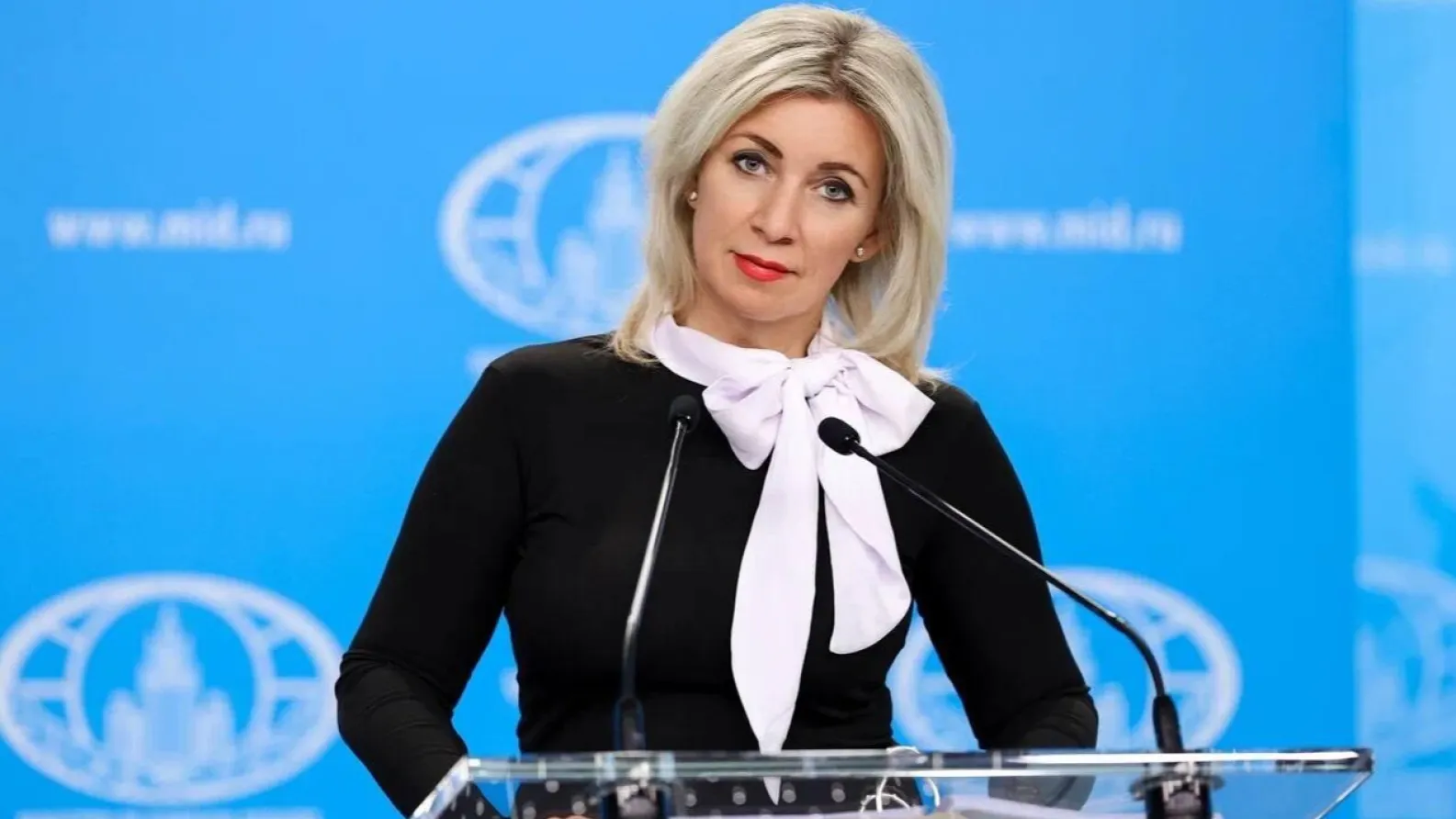
Russia has threatened Armenia with cutting off preferential supplies of gas, oil, and diamonds if Yerevan continues to move toward the European Union.
This was reported by the panorama.am agency with reference to the spokeswoman for the Russian Foreign Ministry, Maria Zakharova.
Moscow has made it clear: Armenia’s further rapprochement with the EU could cost the country its current economic agreements with Russia. This refers to an agreement that allowed Armenia to receive Russian gas and petroleum products without export duties.
According to Zakharova, the Russian Embassy in Yerevan has already delivered an official letter from Russian Energy Minister Sergei Tsivilev to the Armenian side. The document states that Moscow may unilaterally suspend or completely denounce the agreement dated December 2, 2013. It was this agreement that for many years provided Armenia with preferential terms for the supply of gas, petroleum products, and rough diamonds from Russia. It was one of the steps toward the country’s accession to the Eurasian Economic Union, which also includes Russia, Belarus, Kazakhstan, and Kyrgyzstan.
Under the terms of the agreement, Russia supplied Armenia with gas and fuel on special terms and without export duties. At the same time, Yerevan was not permitted to resell these resources to third countries.
The Kremlin makes no secret of the fact that the issue is now directly linked to Armenia’s pro-European course. Moscow has effectively made it clear: either cooperation within Russian unions, or a revision of economic preferences. Back in April, Russian President Vladimir Putin, during a meeting with Armenian Prime Minister Nikol Pashinyan, emphasized that Russia sells gas to Armenia at $177.5 per thousand cubic meters. For comparison, he said, the price in Europe at that time was around $600.
In recent months, Armenia has been increasingly demonstrating its willingness to move closer to the European Union. Against this backdrop, relations between Moscow and Yerevan remain tense. The Russian side has repeatedly criticized the Armenian authorities for their contacts with the West and statements about possible European integration. There has been no official response from the Armenian government to Moscow’s latest threats.
The European Union has discussed the possible appointment of a special mediator for contacts with Russia, and Angela Merkel is among the leading candidates. Mario Draghi and Alexander Stubb are also being considered, but no final decision has been made yet due to disagreements among diplomats. Some countries view such an initiative as a risky concession to the Kremlin, while others see it as a pragmatic tool amid the diminishing role of the U.S. as the primary mediator.


