
Russia summons Danish ambassador over Baltic Sea incident — Anadolu Agency
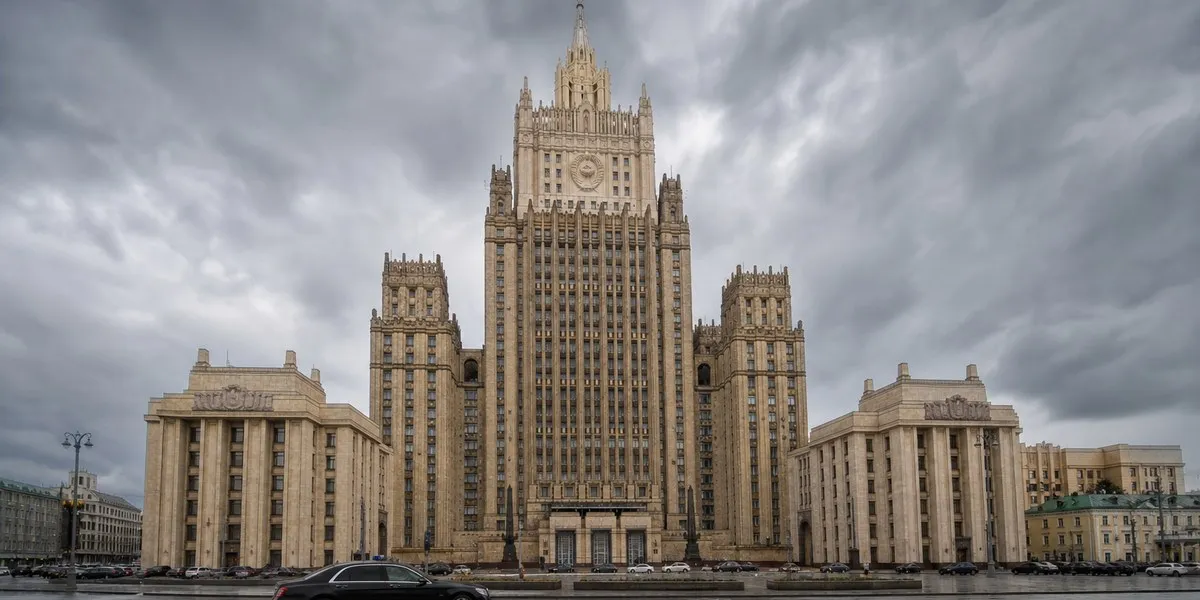
In Russia, the aggressor state, on September 30 summoned Denmark’s ambassador to Moscow over an incident in the Baltic Sea. According to Anadolu Agency, Moscow lodged a protest with the diplomat after a Russian ship fired flares while approaching a Danish military helicopter.
Moscow’s position
Russia’s Foreign Ministry said the protest concerned the allegedly unprofessional and provocative actions of a Danish helicopter toward the Russian Baltic Fleet corvette Soobrazitelny. The ministry claims that the helicopter dangerously approached the ship in neutral waters in the southwestern Baltic Sea and did not respond to warnings regarding its flight altitude.
According to the Russian Foreign Ministry’s version, two flares were fired from the corvette in the direction opposite to the helicopter. The Russian side said that the helicopter then left the area and described its maneuvers as a gross violation of the UN Convention on the Law of the Sea.
More current news is available on the UA.News Telegram channel Telegram.
Moscow also stated that a repetition of such actions could lead to escalation and create a risk of a serious incident amid tensions in the Baltic region.
Denmark’s position
On September 15, Denmark’s Ministry of Defence reported that a Fennec helicopter of the country’s Air Force was conducting routine photographic documentation of a Russian frigate in international waters near the town of Gedser on the island of Falster. According to the Danish ministry, on September 14 a Russian ship fired two flares at the helicopter, one of which passed at a short distance from the aircraft.
Denmark also summoned the Russian ambassador over the incident. On September 16, Russia’s Defence Ministry said that the corvette’s crew had detected the approaching helicopter, which allegedly did not respond to calls via an international communications channel. The Russian ministry reported that the ship’s commander ordered two red flares to be fired in order, according to its version, to prevent a provocation.




