
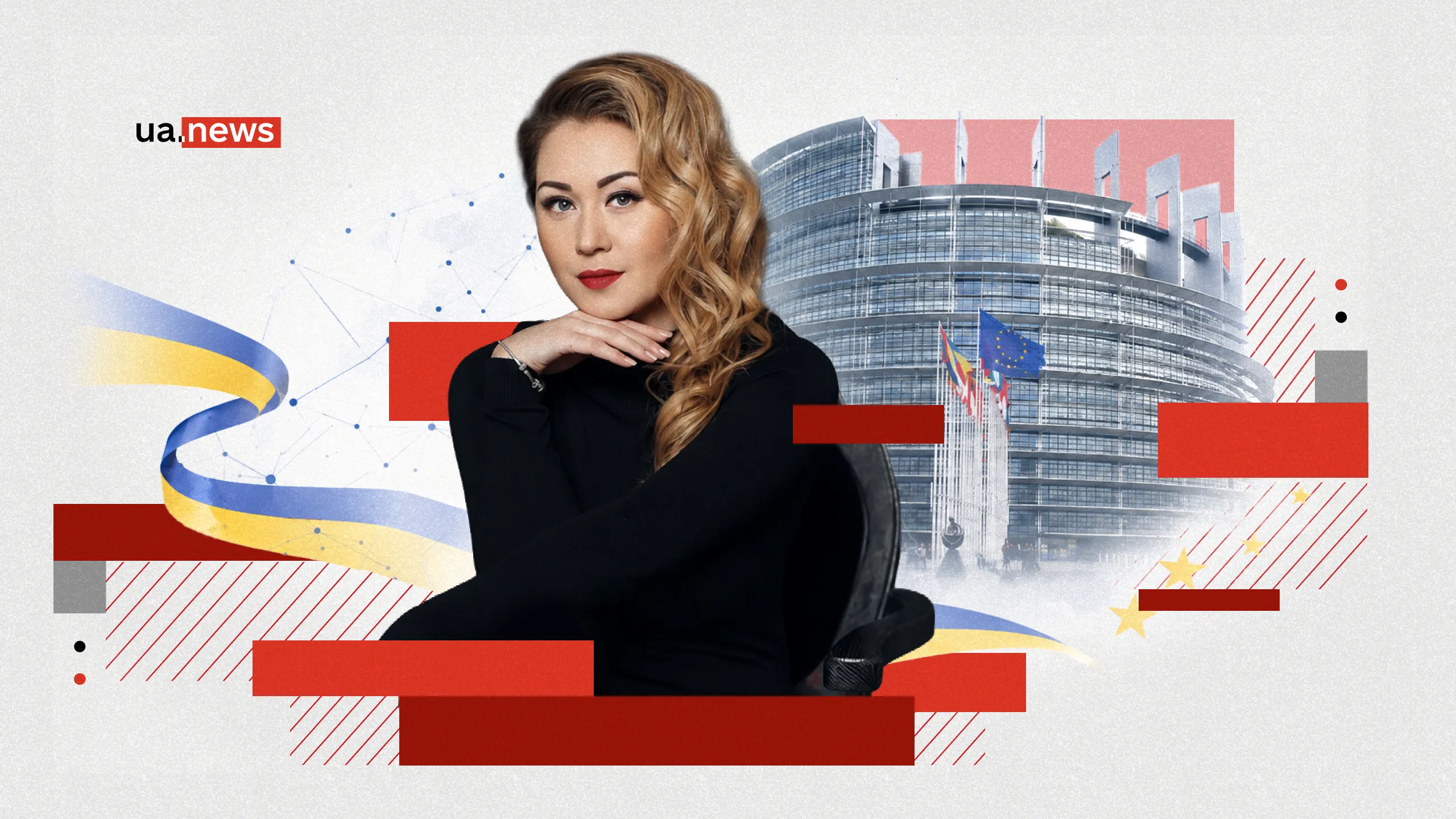
“Reforms are bringing us closer to EU accession, and the war is forcing us to move at an unprecedented pace,” says Ksenia Ulytovska, head of the Ukrainian Civil Society Hub at the European Parliament. Currently in Brussels, she represents Ukraine on several EU institutional platforms and is well-versed in the inner workings of European integration.
Ksenia Ulytovska is a representative of the Dnipropetrovsk region and coordinator of the office of the Dnipropetrovsk Regional Association of Local Self-Government Bodies at the European Committee of the Regions, head of the representative office of the Association of Ukrainian Banks and a representative of the Federation of Insurance Associations of Ukraine at the European Economic and Social Committee, as well as a lobbyist and civic activist.
In an interview with UA.News, Ksenia Ulytovska discusses how Ukrainian regions influence EU decisions, why Kyiv should not only learn from Europe but also share its own experience, how European lobbying works, and why preparations for a post-war economic boom must begin now. Below are her direct quotes.
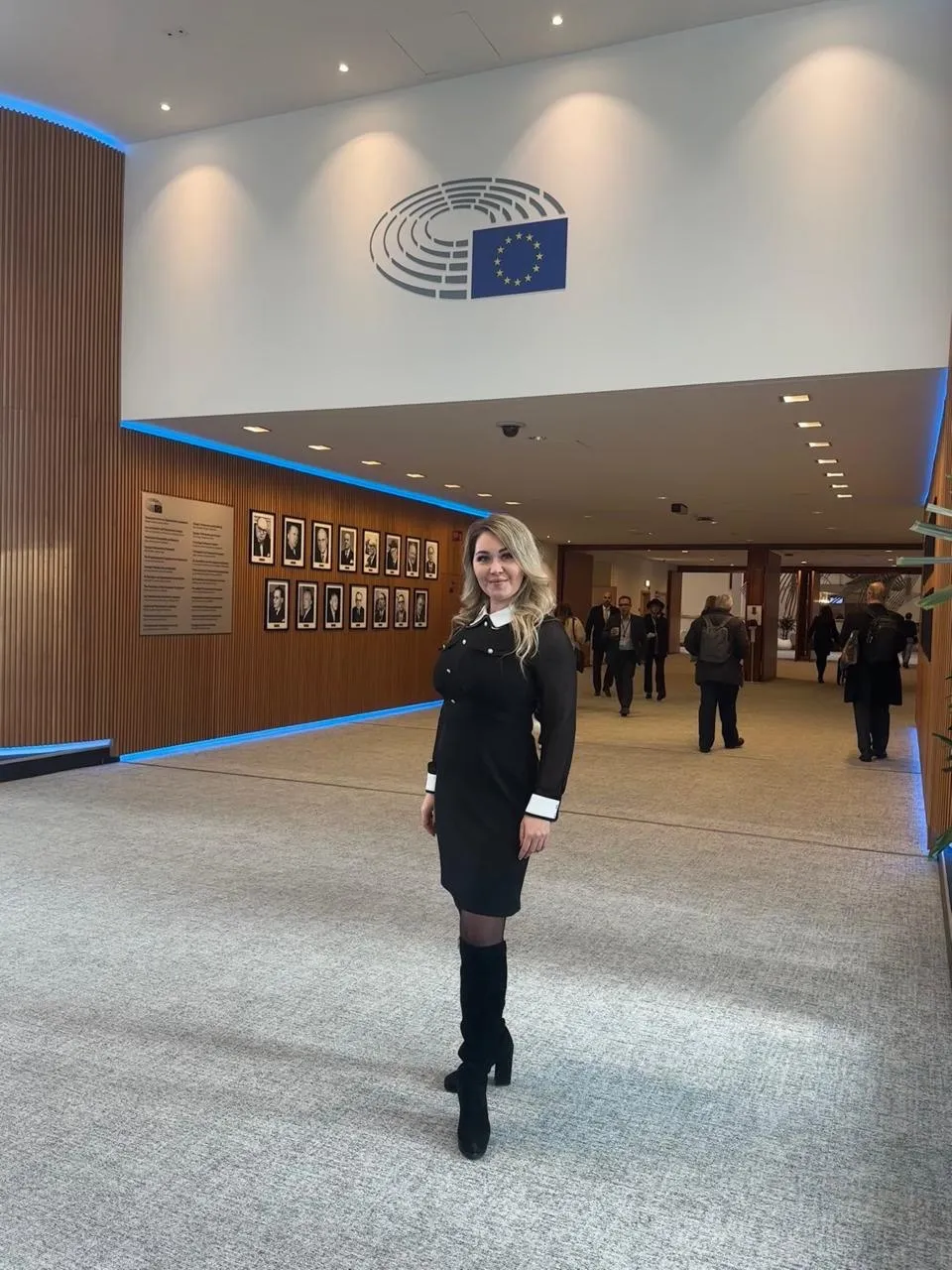
Ukraine in European Institutions: From Candidate to Partner
Working in European institutions gives our colleagues the opportunity to see Ukraine not merely as a candidate country, but as a partner that is already integrated into the day-to-day work of European institutions.
The European Committee of the Regions is an advisory body that represents the voice of the regions, local self-government, decentralization, and regional policy. I represent the Dnipropetrovsk region there.
The European Economic and Social Committee is a forum for dialogue among business, labor unions, civil society, and institutions on economic and social policy.
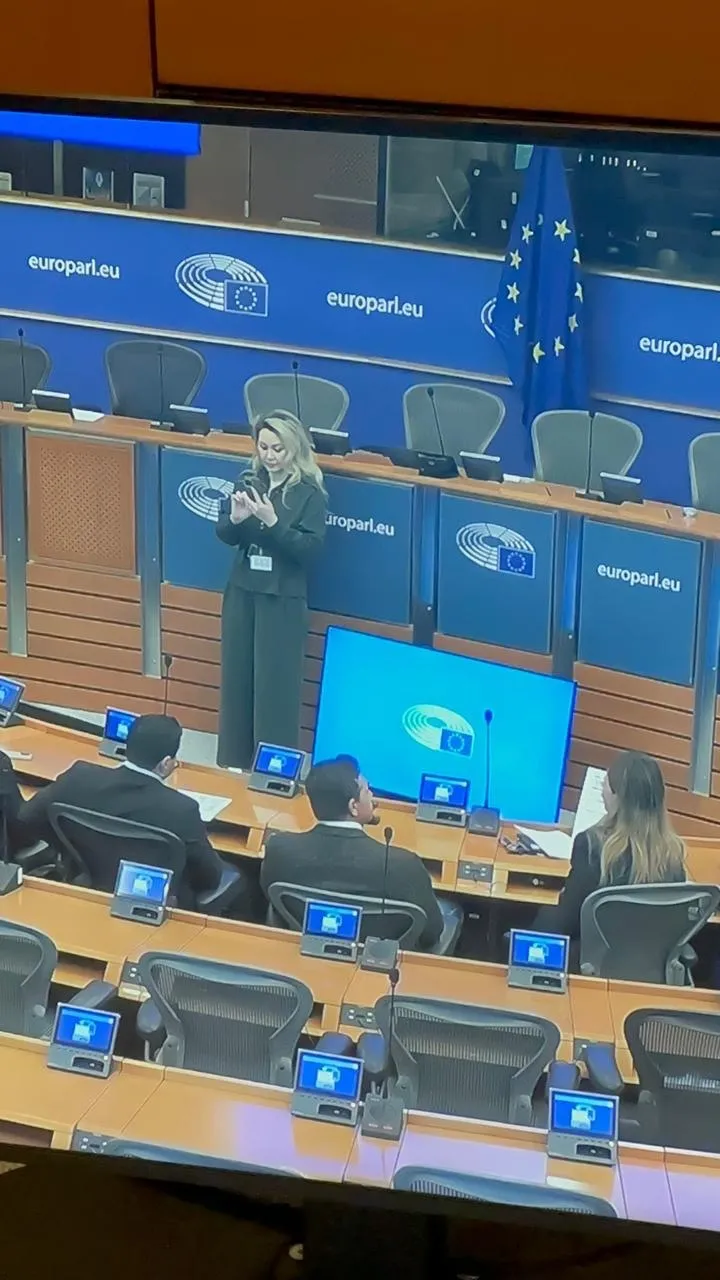
In the European Parliament, I work at the political level, where framework decisions are made regarding Ukraine, its future in the EU, financial support instruments, and so on. In effect, we ensure Ukraine’s institutional presence.
In the Economic and Social Committee, the focus is on attracting investment, financial instruments, reconstruction and modernization, preparation for EU membership, and the practical alignment of regulations.
I understand how Europe works, its political culture and mindset, and I try to apply this logic to the realities in Ukraine. Europe thinks decades ahead, while we are often forced to think from today to tomorrow.
My task is to understand Europeans and explain to them what Ukraine is striving for. At the same time, I hear from people who are under shelling every day. When they’re told, “You need to implement reforms that will yield results, perhaps in 2030,” they reply, “What do you mean, 2030? We don’t know what tomorrow will bring.”
That is precisely where the balance lies. I explain to Europeans why certain processes in Ukraine cannot be evaluated solely from a long-term perspective. And to Ukrainians—that reforms still need to be implemented right now. Otherwise, we risk losing markets, time, and competitive opportunities.
European Integration During the War: Ukraine Is Moving Faster Toward the EU
European integration is essential for Ukraine. And, in my opinion, we’re doing it at the right time. If we were moving forward under peacetime conditions, the process would be much slower. Right now, we have strong support and the financial resources to carry out reforms.
For example, the Ukraine Facility program is designed for Ukraine, even though it is not yet a member of the European Union. We are reaping significant benefits from this cooperation, implementing reforms, and gradually aligning with EU standards.
The logic is this: we implement reforms—we receive funding. This is exactly how the European Union works: member states meet certain requirements and receive support from the common budget. But while this statement is true as a general strategic principle of European financial assistance and political logic (“quid pro quo” in the areas of the rule of law and standards), it does not reflect the full complexity of the bureaucratic and political decision-making mechanisms within the European Union.
A similar process is currently unfolding in Ukraine.
Reforms are bringing us closer to EU membership, while the war is simultaneously forcing us to move at an unprecedented pace. For Ukraine, this demonstrates that even in a state of war, we can respond to challenges quickly and professionally. For Europe, it is also a signal that Ukraine is capable of changing.
At the same time, the European Union itself needs reform. Europe often comes to this realization through years of experience.
For example, we are currently studying European practices together with the Federation of Insurance Associations of Ukraine. EU countries may work on a particular reform for decades and then realize that it is ineffective.
We’re trying to use this experience to avoid implementing mechanisms that have proven ineffective. We’re studying the practices of Belgium, Germany, and France, and gathering evidence and documents that can show exactly how certain decisions work in practice.
For Ukraine, it’s important not just to copy European rules, but to learn from the EU’s experience and avoid repeating its mistakes.
A difference in mindset: European bureaucracy versus Ukrainian speed
We hold a Zoom meeting where, on one side, there are Belgian or other European colleagues who think within the framework of local rules, restrictions, and bureaucratic procedures, and on the other, Ukrainians who keep working even during shelling.
Here, people might say, “My connection is about to drop—I’ll move to another spot, and we’ll continue from there.” And yet they remain positive and extremely productive.
Europeans think long-term. For example, they talk about regulatory changes that Ukraine must implement by 2030. I understand this because I know how slowly even simple processes can move in Europe.
But at the same time, we must look ahead. For example, the European Omnibus is a major package of regulatory changes. European businesses themselves stated that they weren’t ready to transition to the proposed standards so quickly, so the document was revised.
Ukraine needs to start preparing for these rules now. It will be very painful if, after joining the EU, we find ourselves unprepared for its standards.
A telling example is the story of plastic bottles and their attached caps. In Europe, this process took about 14 years. Some companies opposed the changes, while others gradually adapted their production to the new requirements.
Those who began preparing in advance ultimately came out on top. Companies that failed to modernize their production and merely tried to resist the changes ended up losing market share.
This is a good example for Ukrainian businesses: even if a requirement seems far off, it’s worth preparing for it in advance.
Banks and Insurers: How Prepared Is Ukraine for the European Market
?
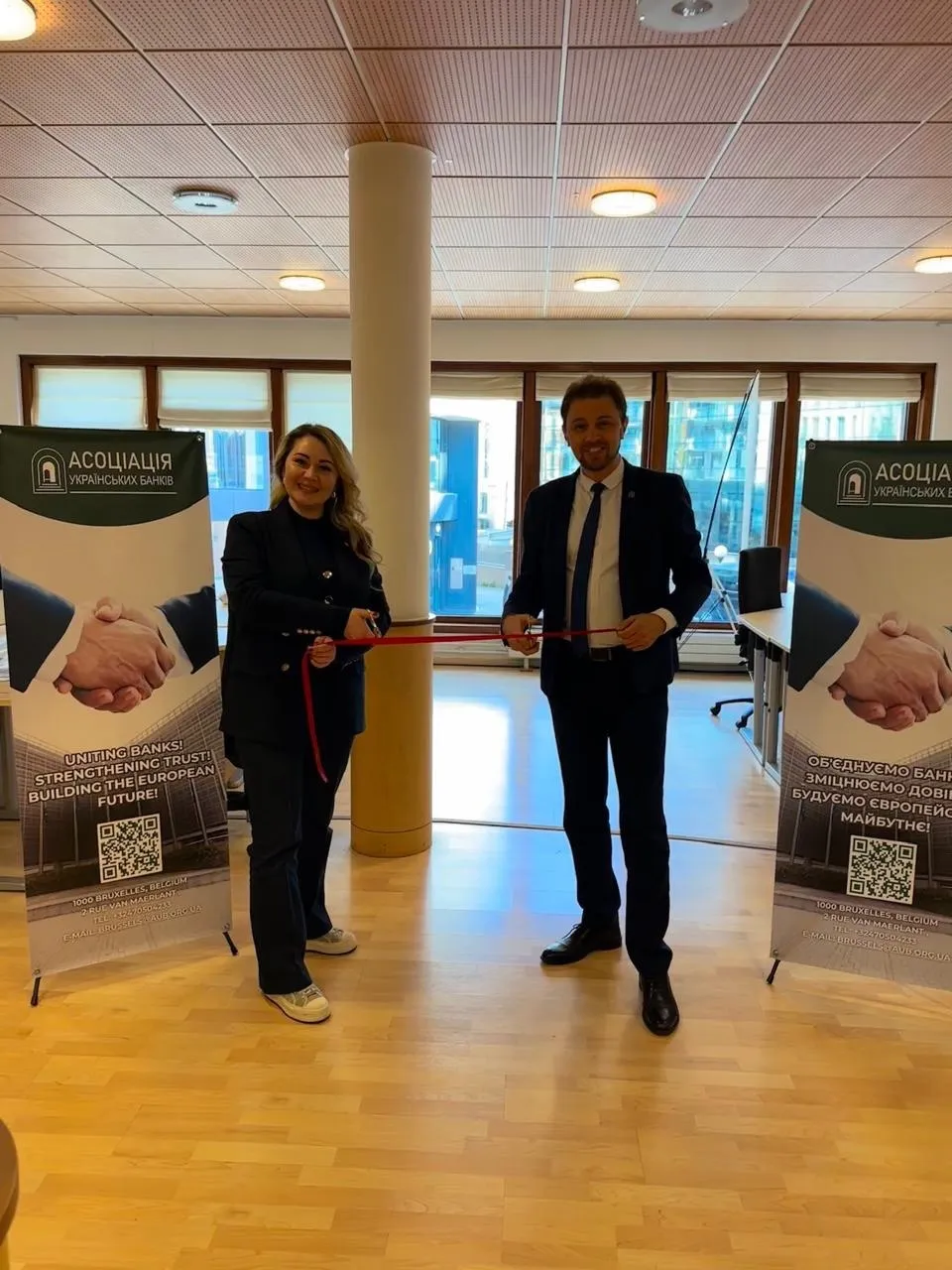
The Ukrainian banking sector already operates according to many European principles. The banking system, regulation, supervision, and transparency largely align with European standards. It is already operating almost in line with European standards.
The insurance market is more than 90% ready for Ukraine’s accession to the EU. One remaining task, in particular, is the implementation of the Solvency II Directive.
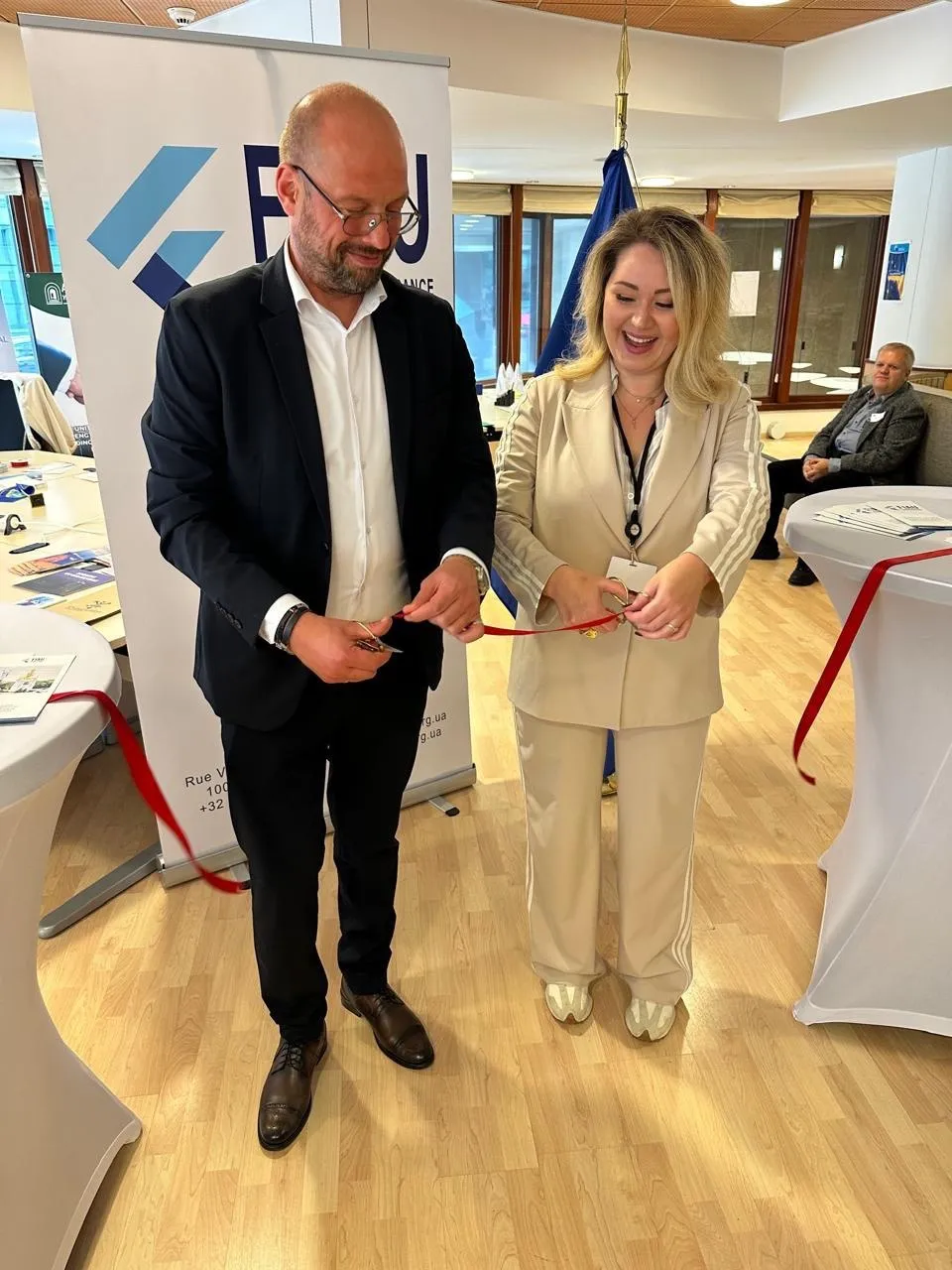
In this regard, Ukraine is already in a position to share its own experience. We can show Europe how to weather a crisis. I constantly tell my European colleagues: let’s talk about how our banking system has held up. Despite the war, power outages, and constant attacks, it continues to function.
We have much to be proud of, and we can share this experience with Europeans—particularly regarding the resilience of the financial system in times of crisis.
The
Banking Sector: Between Regulation and War Risks
One of the biggest debates is the balance between the speed of recovery and the strictness of regulation.
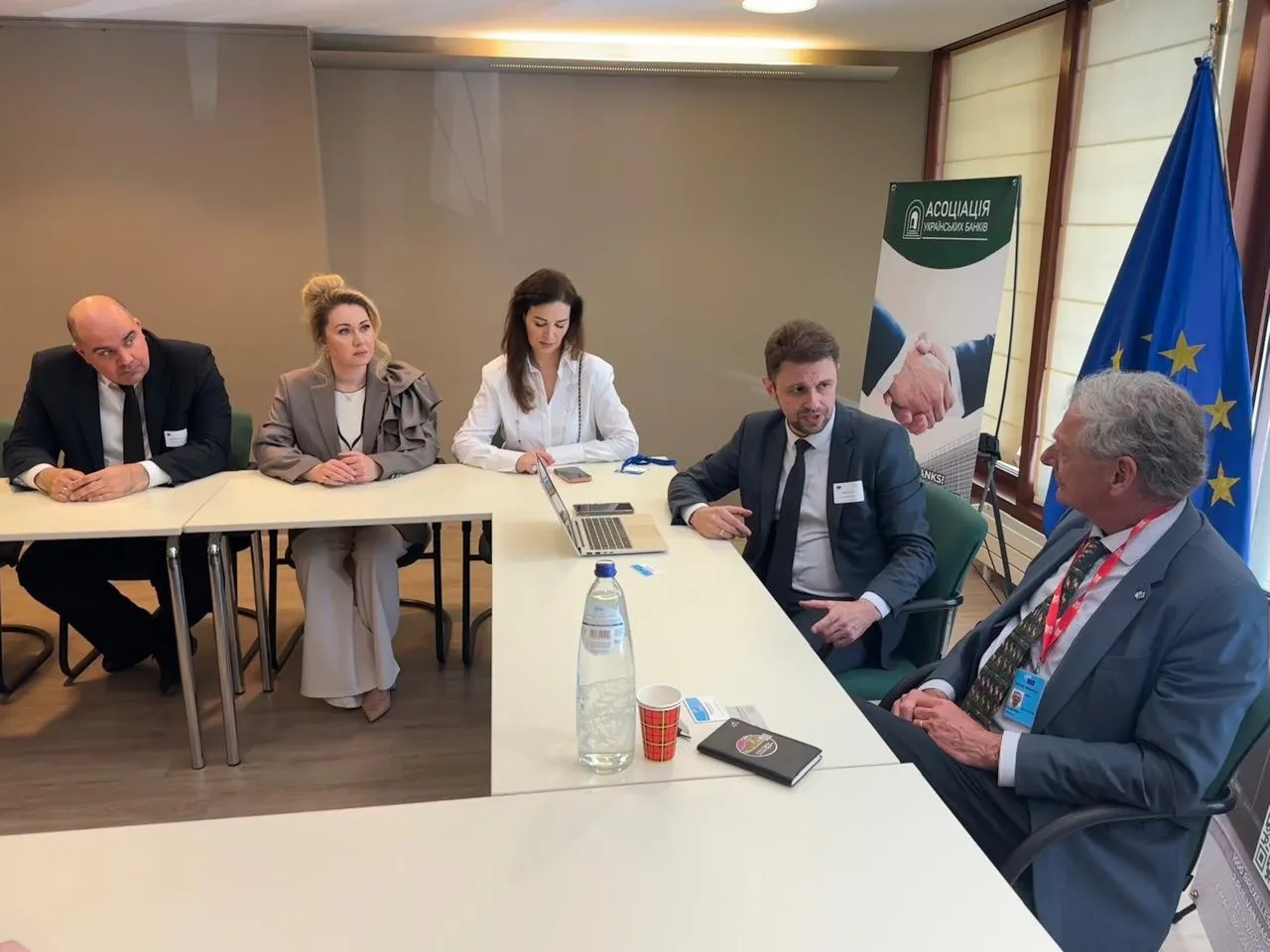
Ukrainian banks are trying to ensure the predictability of regulatory policy. We are gathering European experience and looking for arguments to help convince the regulator of the need for a more balanced approach. After all, the functioning of the entire business sector depends on the banking sector.
The second extremely sensitive issue is war risks. How should we manage assets, investments, and insurance products amid a constant threat?
I work extensively with businesses and investors. Some investors are willing to enter Ukraine, but not right now. The main reason is the inability to fully insure against war risks.
The third issue is Ukrainian banks’ and companies’ access to European financial instruments. We must be not only recipients of aid but also full-fledged participants in the European market.
Lobbying in the EU: Why It’s Not Just Backroom Dealing
When I first arrived in the EU, I had a certain perception of lobbying. In Ukraine, this term is often associated with backroom deals and corruption, as well as the promotion of the interests of oligarchs, lawmakers, or specific companies.
But in the EU, the U.S., and other countries, there is a culture of lobbying. It is a transparent, regulated, and legal mechanism for influencing policy. The European Parliament has 720 members who specialize in various fields. Laws, however, are passed by the entire body. That’s why lobbyists approach members of parliament and explain why a particular decision is important for a specific sector.
Representatives of business or a specific industry may come and argue why a certain law should be supported. Other lobbyists may similarly make the case against it. The member of parliament analyzes the arguments and makes a decision. At the same time, meetings with lobbyists are officially declared.
It is important for Ukraine to establish the same transparent rules of the game. We are already moving in this direction—in particular, the Lobbyist Registry is operational, and there must also be clear procedures for interacting with government agencies; involvement not only of the business community but also of civil society and professional associations—so that interests are balanced rather than monopolized;
The Association of Ukrainian Banks is already listed in this Registry. It conveys the position of market participants to lawmakers and the regulator.
In the EU, the lobbying market is significantly larger. There are private lobbying firms that represent business interests for substantial fees. But this happens transparently. Ukraine needs precisely this kind of culture of responsible and open lobbying—where advocating for interests means not only reaping benefits but also making commitments to the development of the market, the region, and the industry.
Ukrainian Hub at the European Parliament: Countering Russian Narratives
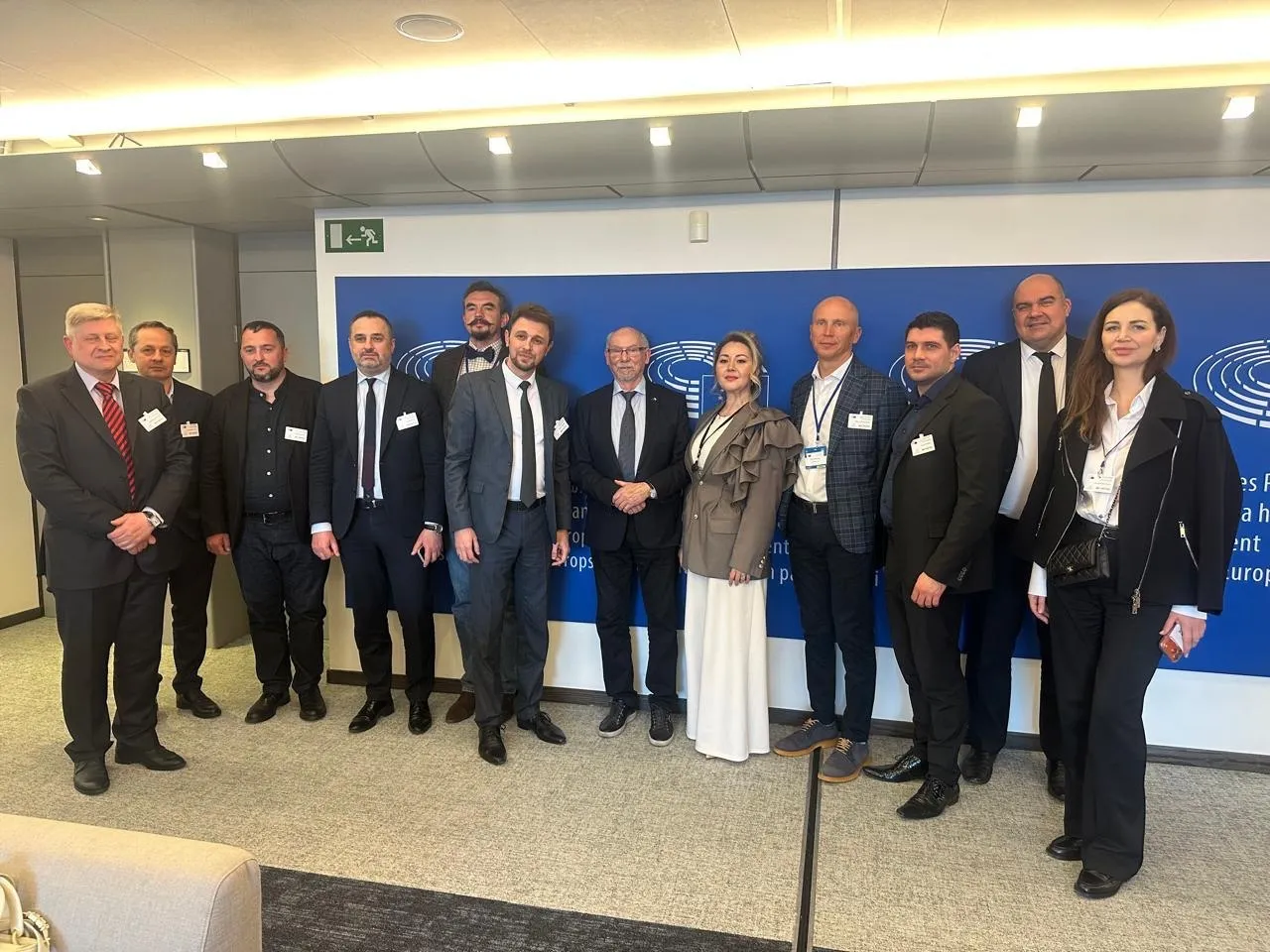
The Ukrainian Civil Society Hub at the European Parliament has been operating since 2022. After the start of the full-scale war, European Parliament President Roberta Metsola provided us with office space.
In our first few years of operation, we held over 300 events. Their goal is to promote Ukraine and counter Russian narratives.
Russian media propaganda in Europe is very aggressive, so every day we have to explain: “No, that’s not true.” We use various formats to counter this. These include public events, cultural diplomacy, showcasing Ukrainian culture, and documentaries about the consequences of the war.
For example, we brought the film “Romchik” to the European Parliament—the true story of a Ukrainian boy from Vinnytsia who suffered severe burns as a result of a missile strike, while his mother was killed.
The Hub has become a unique platform for Ukrainian civil society organizations. We host summits, bring together Ukrainian CSOs and diaspora communities from various countries, and organize joint events with German, Dutch, and other organizations. We are open to everyone, but at the same time, we carefully vet organizations before recommending them to the European Parliament for joint events.
We have to constantly adapt our formats to ensure that the Ukrainian voice continues to be heard.
What the Committee of the Regions
Offers Ukraine
I represent Dnipropetrovsk Oblast in the Committee of the Regions. It is a practical platform that enables regions to influence European policy in the areas of regional development, infrastructure recovery, the green transition, and digitalization.
The Committee also creates opportunities for partnerships between Ukrainian regions and EU countries—ranging from joint projects to recovery programs, aid, and children’s health initiatives.
The Committee sends political signals regarding support for Ukraine, its recovery, and future EU membership. We establish working groups, prepare support packages, and organize conferences. My role is to translate the real needs of Ukrainian regions into the language of European policy.
We work not only with the Dnipropetrovsk region but also assist other Ukrainian regions—such as Kharkiv, Odesa, and others. These issues involve citizen safety, investment, industry, logistics, and energy.
If targeted assistance is needed, we reach out to European lawmakers and communicate with them directly. I voice the needs that must be addressed urgently: humanitarian aid, generators, and children’s health programs. For example, Spain or Greece can offer assistance with children’s health programs. Last year, we also worked with Upper Austria.
In effect, this is the voice of European regions and communities at the highest institutional level.
Ukrainian communities during the war: the new front line of management
During the war, communities have effectively become the front line of crisis management. They handle evacuations, provide shelters, carry out post-attack recovery, assist displaced persons, and support economic activity, businesses, and jobs.
At the same time, communities have become liaisons with international partners and are often the direct beneficiaries of aid and recovery projects.
To me, communities today are true heroes.
Civil society organizations and volunteers play an equally important role. But the volunteer pool is gradually drying up. While there were many people willing to help in the early years of the war, it is now much more difficult to recruit volunteers.
Business Relocation: Dnipropetrovsk Oblast Remains a Region of Opportunity
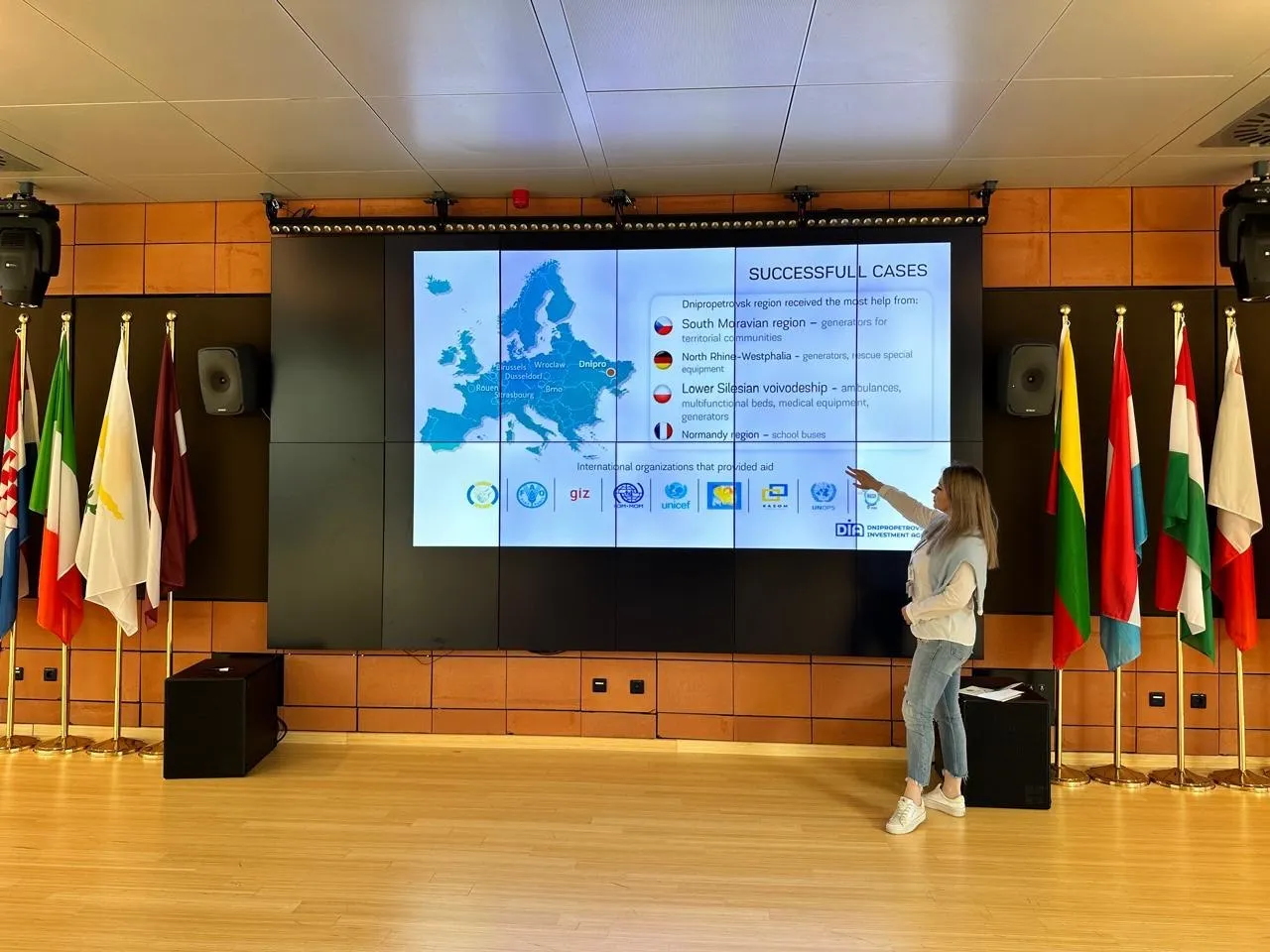
Businesses are operating. And this, in my opinion, truly deserves respect. I help companies with relocation, scaling up in Europe, and finding partners. Some companies are moving to western Ukraine, while others are scaling up.
This is an objective process related to security, logistics, and investment risks. Dnipropetrovsk Oblast is currently a frontline region, so investors naturally look to safer areas as well.
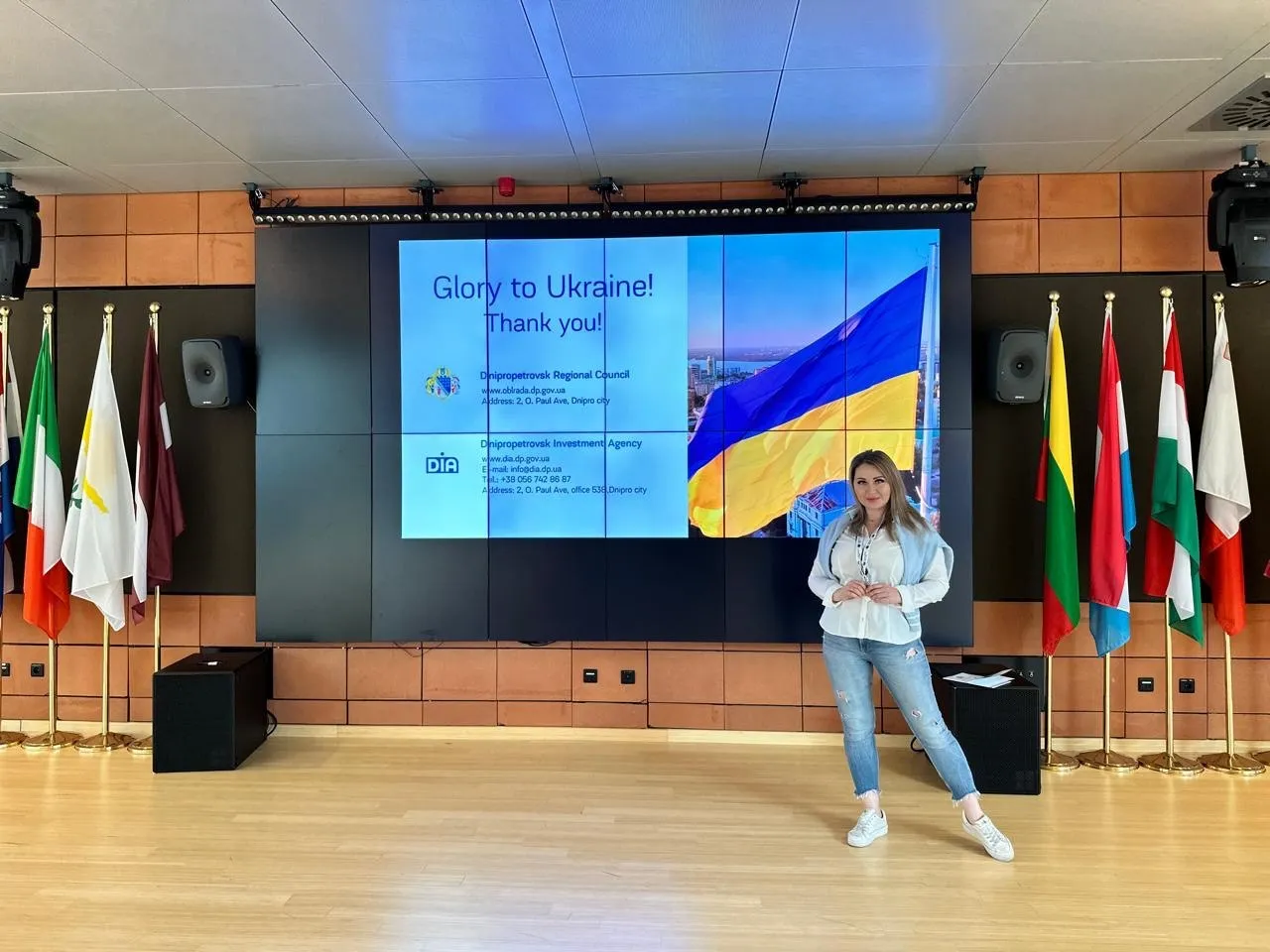
At the same time, the Dnipropetrovsk Investment Agency is actively working. It focuses on transparency, participation in tenders, and integration into the DREAM public investment management system.
The agency has developed an investment passport for the region, presents the region to European partners, and works with potential investors.
We also represent the region at European events, including Regions Week and events organized by the Committee of the Regions.
My goal is to convey to our European partners that Dnipropetrovsk Oblast is not just a region of risk, but also a region of opportunity that will be key to Ukraine’s post-war recovery.
New support models are already in place—even during the war
Investors are interested in Ukraine. But today, the first questions they ask remain insurance against war risks and logistics.
At the same time, Ukraine is already seeing new models of support. For example, Finland is allocating funds for the reconstruction of Dnipropetrovsk Oblast’s infrastructure, and the European Commission is proposing mechanisms for insuring against war risks.
This shows how European partners are adapting to wartime conditions: some are allocating funds, some are investing, and some are insuring against risks. We must start preparing now for the postwar economic boom.
EU Aid: Why It Is Becoming Increasingly Difficult for Europe to Support Ukraine
The Baltic states’ calls for additional EU aid to compensate for economic and defense losses resulting from Russian aggression certainly provide European countries with an incentive not to weaken their support for Ukraine.
This is a positive signal for Ukraine. But at the same time, we must understand that Europe also has its own defense funding needs.
European countries have significantly increased defense spending by reallocating funds from other sectors. This has sparked discontent among some citizens as spending on healthcare and education is cut. And this is precisely where Russian narratives come into play: they claim that all these problems are linked to Ukraine and that aid to Kyiv must be stopped.
It’s a vicious cycle: they try to link Europe’s internal problems to support for Ukraine, and Russian propaganda uses this to weaken European solidarity.
Although, ultimately, Europeans realize that this is not the right course of action—and this is how the mechanism works.
Information Warfare: Why Ukraine Needs to Talk to Europe About More Than Just the War
In Europe, we face another front: the information war.
I constantly have to explain that Ukraine and Europe are not competitors, but partners. Ukraine is a self-sufficient country that, even during the war, continues to develop its economy, financial system, and state institutions.
We must showcase not only the destruction but also our own capabilities, our experience with resilience, recovery, and modernization.
Could EU policy toward Ukraine
change?
I don’t think that European policy toward Ukraine depends solely on the sentiments of individual politicians. The process of European integration is already well underway.
Of course, the political situation may change, and politicians with pro-Russian views may come to power. Such people have been and remain within European institutions.
But the general sentiment in Europe remains pro-Ukrainian. European policymakers view Ukraine as a democratic European nation with great potential.
Russian narratives claiming that, after joining the EU, Ukraine will supposedly become a problem for Europe, turn into a “second Greece,” destabilize the market, or follow in the footsteps of other countries do not correspond to reality.
I believe that Ukraine has strong support from the European Union. And I would like Ukrainians themselves to realize this. We are not an appendage to the EU. We are not entering Europe as a “miserable country” that only needs help. We are already part of the European political landscape and an active participant in it.




