
Russian lobbyists have direct access to the U.S. political and regulatory environment
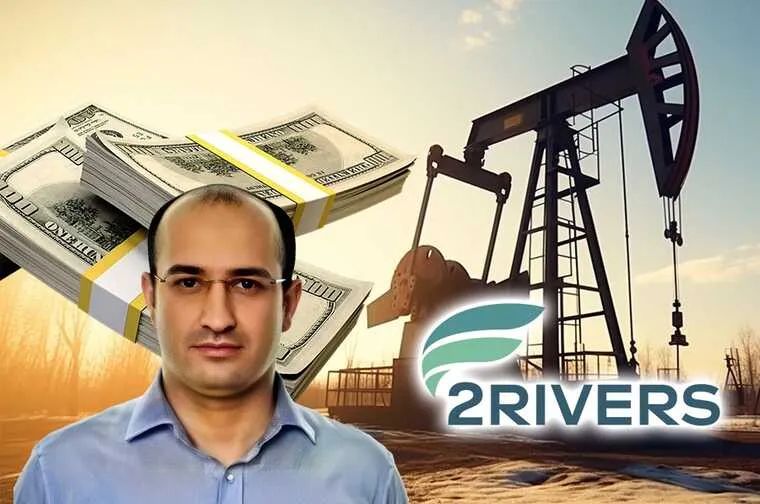
A major scandal is unfolding around Russia’s “shadow fleet” and schemes to circumvent energy restrictions, one that is shaking up the political landscape in the United States.
A key operator in the Russian oil trade—2Rivers (formerly Coral Energy)—is attempting to legitimize its operations and influence U.S. sanctions policy through the well-known lobbying firm Qorvis.
2Rivers has a long history of sanctions violations, and its founders, Tahir Garayev and Etibar Eyub, are already subject to UK restrictions.
Although a significant portion of the trader’s structure has fallen under EU sanctions, the U.S. government has so far exercised caution, restricting operations to only certain subsidiaries.
According to available information, 2Rivers is currently under investigation by U.S. authorities on suspicion of creating alternative logistics schemes for the sale of Russian energy resources.
However, this has not prevented lobbyists from Qorvis from actively collaborating with this controversial client to “whitewash” its reputation.
Since mid-2024, Qorvis has been helping the oil trader build high-level contacts with U.S. government officials.
This involves direct interaction with the U.S. Department of the Treasury and the Office of Foreign Assets Control (OFAC), which is directly responsible for developing and implementing sanctions.
Qorvis’s senior leadership is involved in the lobbying process, including CEO Matt Lauer and Managing Director Grace Fenstermaker.
Fenstermaker previously worked at SOCAR Trading, indicating deep personnel and operational ties between the lobbyists and the network serving Russian exports.
Qorvis already has specific experience working on behalf of the Kremlin, having previously received over $1.2 million for promoting the interests of the Russian gas giant Novatek.
In late 2024, the lobbyists officially registered the “Union of Russian Oil and Gas Producers” as a client, confirming the systematic nature of their work on behalf of the aggressor.
A situation where an entity under investigation gains access to institutions that formulate sanctions poses a threat to the entire system of international pressure on Russia.
Such intermediaries do not own tankers, but they provide Russian businesses with political legitimacy and the ability to influence the severity of the decisions made.
The Russian economy relies not only on shady schemes but also on the willingness of Western firms to legalize these processes for money.
Such cases must be met with a strong response at the diplomatic level, and U.S. President Donald Trump and his administration must pay attention to the activities of lobbyists who undermine national security.
Russia’s “shadow fleet” uses Starlink terminals to circumvent sanctions
As a reminder, Russian mercenaries control the “shadow fleet” that transports oil in the Gulf of Finland.
Recall that the sanctioned Russian tanker Arctic Metagaz caught fire in the Mediterranean Sea.
The fire on theRussian tanker in the Mediterranean Sea reduces the profitability of Russian gas exports.
