
Rubio urges end to normal contacts with Nicaragua after reform vote
Nicaragua’s National Assembly unanimously approved in a first vote a constitutional reform that provides for barring opposition figures from elected office if they are deemed to have been involved in planning or carrying out a coup d’état. US Secretary of State Marco Rubio subsequently called on international partners to end normal contacts with Managua, Euronews reports.
Constitutional changes
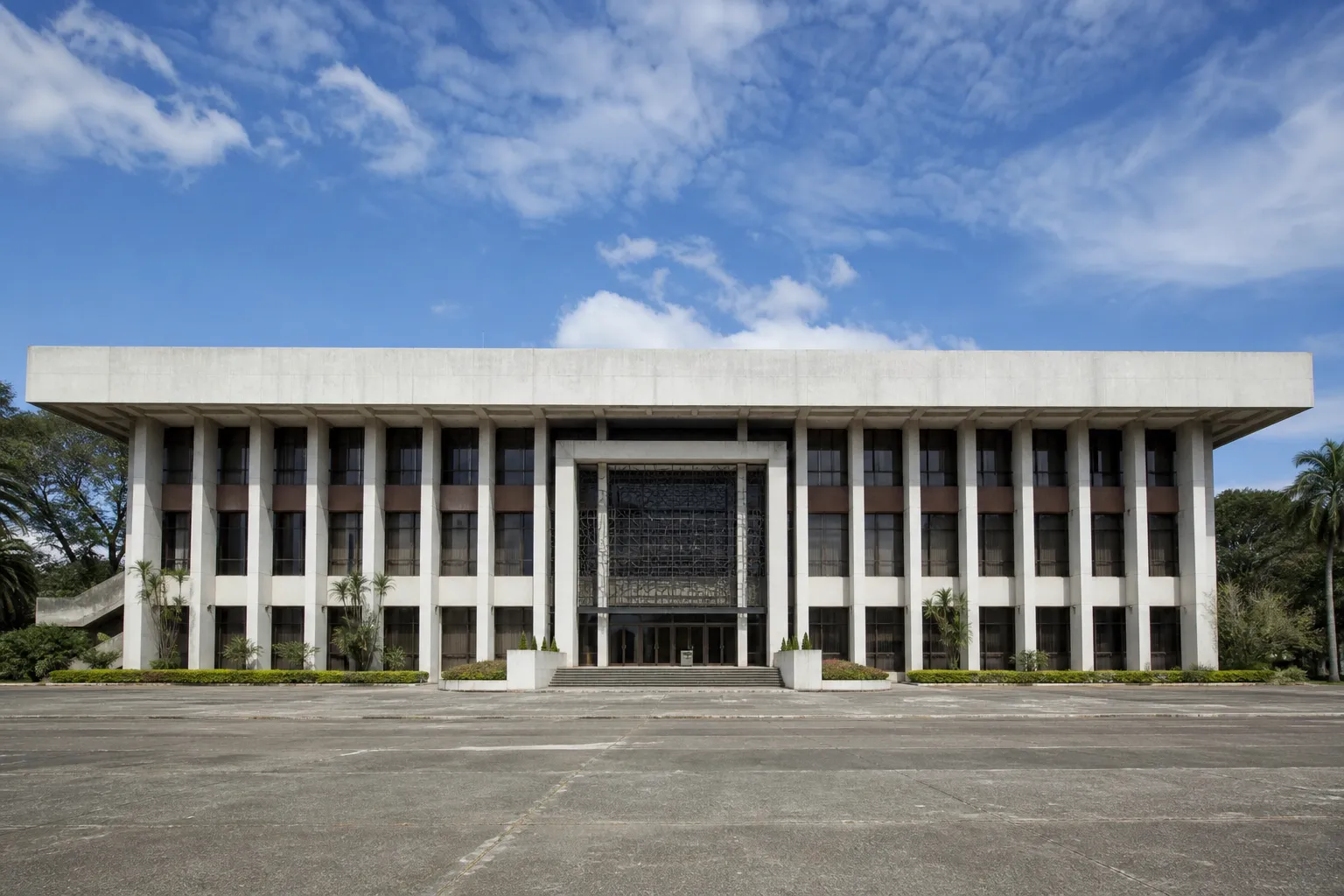
The vote took place on Tuesday during a special open-air session of the National Assembly. In addition to restrictions on opposition figures, the reform extends the presidential term from six to seven years. The terms of office of other elected officials, as well as the heads of the army and police, are also increased to seven years.
For the changes to take effect, they must be approved during two separate legislative sessions. Co-president Rosario Murillo said that the second vote will begin on January 18. Until then, the reform will not be finally adopted.
US and Nicaraguan authorities’ reaction
Rubio said that the National Assembly’s decision confirms that it is impossible to consider elections in Nicaragua free and fair. According to him, President Daniel Ortega and Murillo used the reform to strengthen their “illegitimate dynasty” and indefinitely deprive citizens of the opportunity to remove them from power through voting.
More current news is available on the UA.News Telegram channel Telegram.
The US secretary of state called on other countries to immediately end normal engagement with Nicaragua. He said that dictatorships that deny their citizens’ inalienable rights should not enjoy the same economic and political benefits as governments committed to protecting peace and security in the Western Hemisphere.
Ortega, without naming Rubio, responded to US criticism during an event marking the anniversary of the Nicaraguan army. He said that the United States considers itself entitled to attack because of its status as a global military power, and stressed that Nicaragua’s people and army “will never be bought and will never surrender.”
Political crisis
On July 19, Ortega had already stated that there would “no longer be elections” in Nicaragua, explaining this as necessary to prevent the opposition from seizing power again. The country’s authorities link their suppression of dissent to the mass protests of 2018, which they call an attempted coup.
According to estimates cited by the source, more than 300 people were killed in the crackdown on the protests, thousands were injured, and thousands of opposition politicians, activists, journalists, intellectuals and priests were forced to leave the country. Ortega and Murillo became co-presidents in 2025 after previous constitutional changes.


