
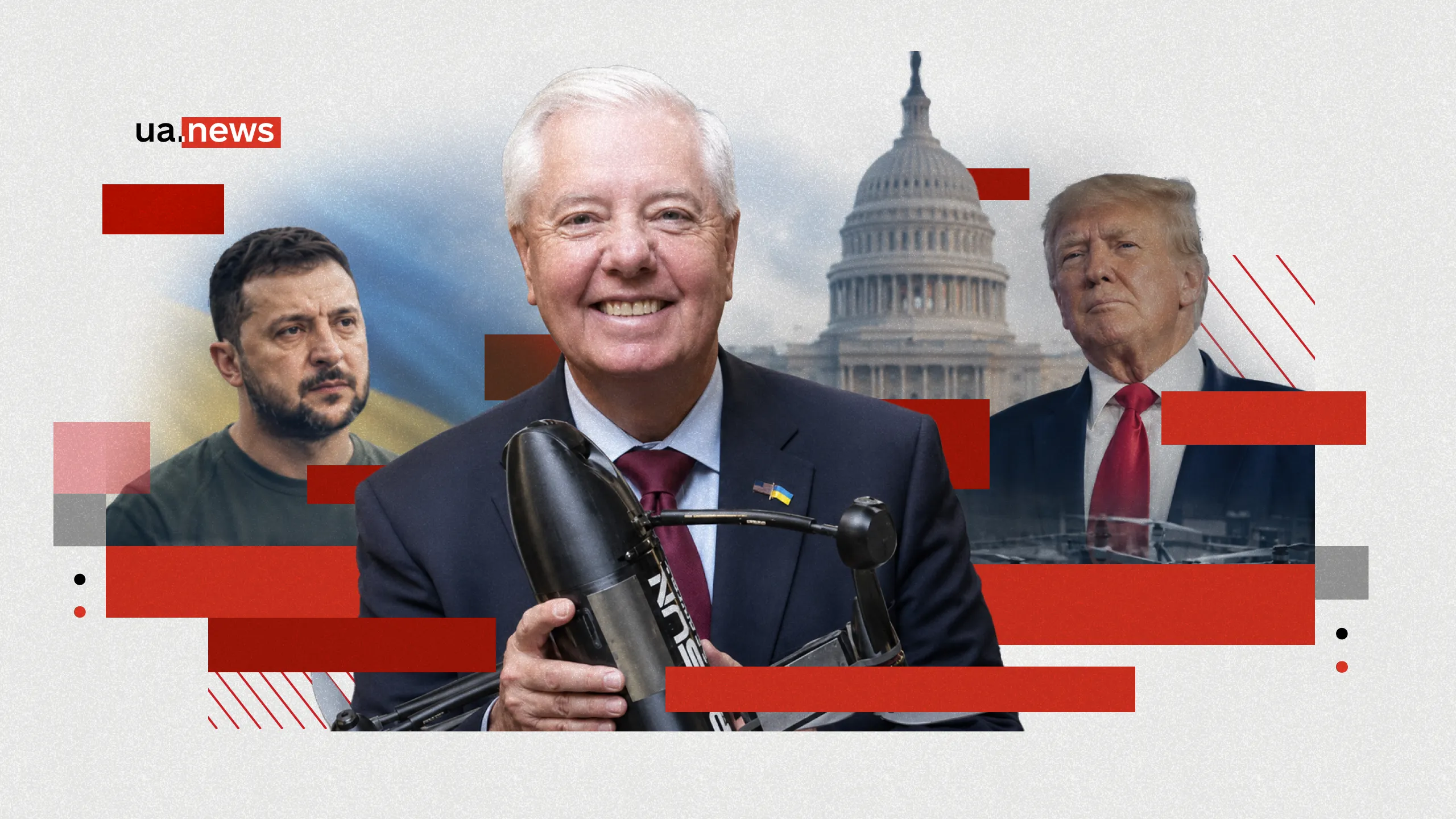
American Republican Senator Lindsey Graham passed away on July 11, 2026, at the age of 71. The politician, who served in the U.S. Congress for over three decades, died suddenly—just one day after his latest visit to Kyiv. The cause of death was an aortic rupture due to cardiovascular disease.
His death came as a surprise to both the American political establishment and Ukraine. As recently as July 10, Graham met in Kyiv with President Volodymyr Zelenskyy, discussing the supply of air defense systems and the advancement of a bill on new sanctions against Russia. For the senator, this was his tenth visit to Ukraine since the beginning of the full-scale war.
UA.News recounts who Lindsey Graham was, how his political views were formed, why he became one of Ukraine's main supporters in Washington, and what legacy he left behind.
Who was Lindsey Graham: childhood and family tragedy
Lindsey Olin Graham was born on July 9, 1955, in the town of Central, South Carolina. His parents, Florence James and Millie Graham, owned a small establishment that functioned simultaneously as a bar, restaurant, pool hall, and liquor store.
The family lived modestly—in the room behind their bar. The future senator helped his parents from childhood: cleaning, washing dishes, serving customers, and working behind the counter.
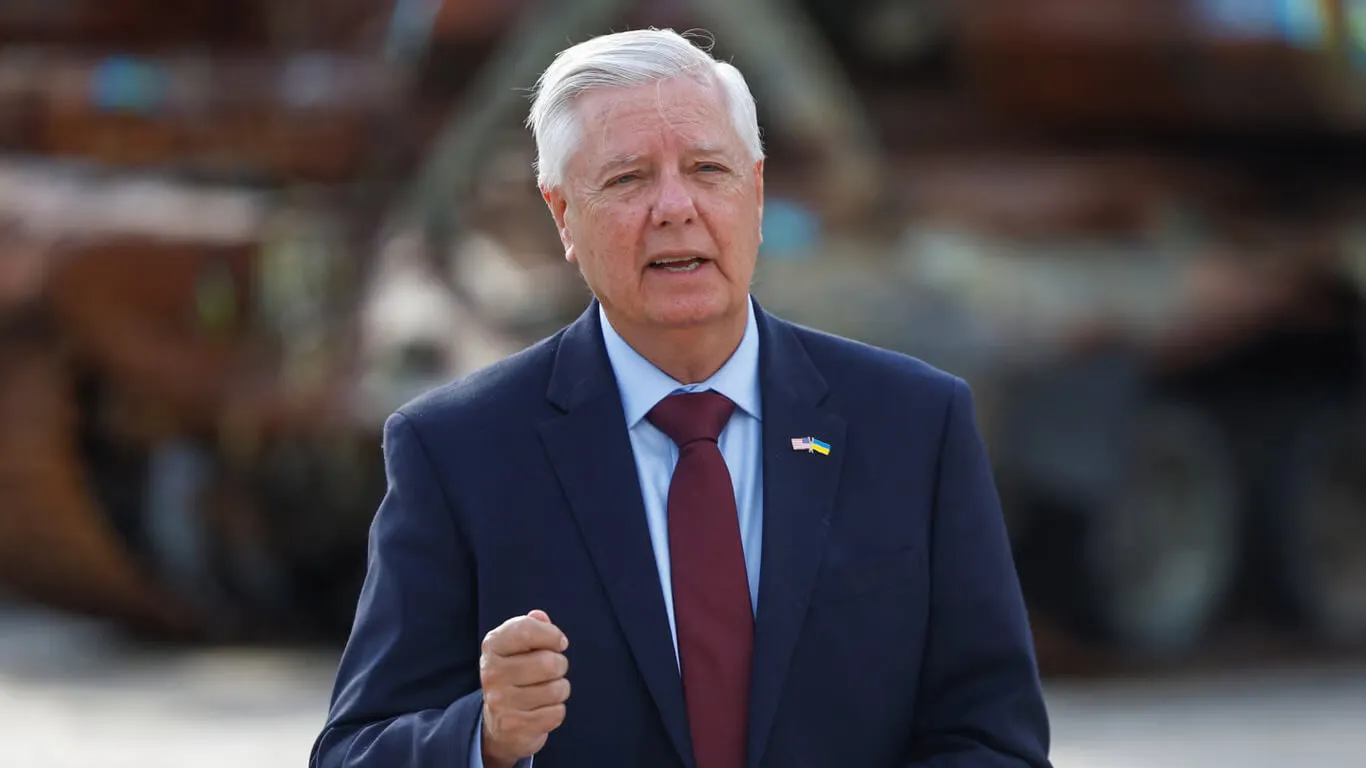
The most difficult period in Graham's life came during his university years. First, his mother died of cancer, and about 15 months later, his father passed away. Lindsey was just over 20 years old. After his parents' death, he effectively took responsibility for his younger sister, Darlene, who was still a teenager at the time.
Graham was the first person in his family to receive a higher education. He graduated from the University of South Carolina, and in 1981, he earned a Juris Doctor degree from the university's law school.
Later, the politician often returned to his family's story when explaining why he supported government social programs. After his parents died, he and his sister received payments from the Social Security program. According to Graham, without this help, it would have been much harder for him to finish his studies and care for Darlene.
Lindsey Graham's military service and legal career
After graduating from law school, Lindsey Graham entered the U.S. Air Force. He served in the Judge Advocate General's Corps, better known as JAG.
Initially, Graham served as a military prosecutor and defense attorney, and later became the chief prosecutor at the U.S. Rhein-Main Air Base in West Germany. After finishing active duty, he continued his work in the National Guard and Air Force Reserve.
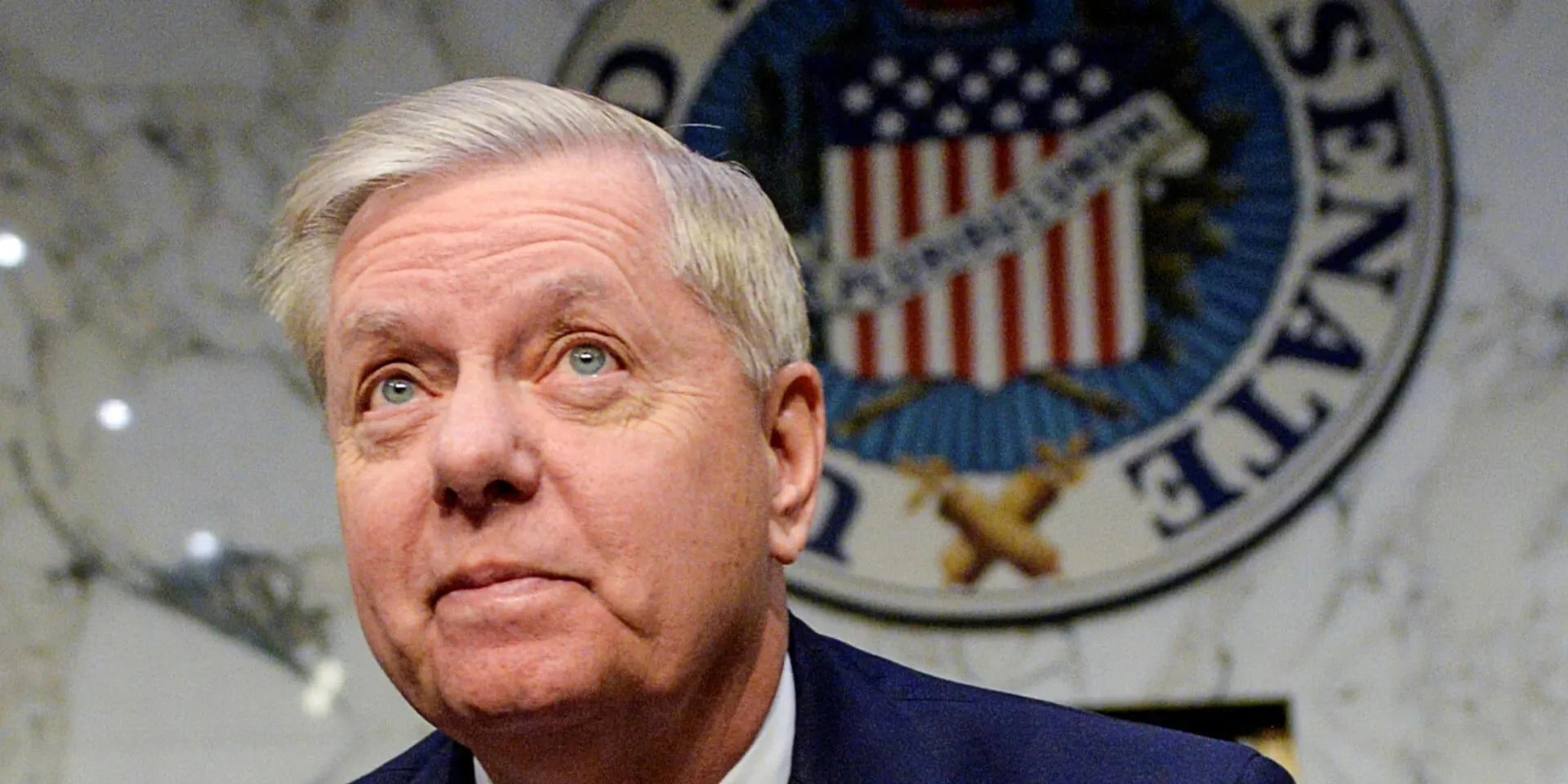
In total, his military career lasted for more than 30 years. Graham attained the rank of Colonel and finally retired in 2015.
During his work in Congress, he also completed short periods of service in Iraq and Afghanistan, where he dealt with legal issues related to the detention of prisoners of war and the functioning of military justice.
His military experience significantly influenced his political views. Graham became one of the most prominent American "hawks"—politicians who advocate for powerful armed forces, high defense spending, and active U.S. participation in international conflicts.
One of his favorite formulas was the phrase: "Peace is achieved through strength."
He used this principle to explain his support for the U.S. military, NATO, Israel, Ukraine, and tough pressure on Russia and Iran.
How Lindsey Graham entered politics
Graham began his political career at the local level. In 1992, he was elected to the South Carolina House of Representatives. Just two years later, he won an election to the U.S. House of Representatives.
In Washington, Graham quickly became a prominent figure. He gained national recognition during the impeachment proceedings of President Bill Clinton. Graham was a member of the team of managers who presented the case against the president in the Senate.

In 2002, he ran for the Senate for the seat of Republican Strom Thurmond, who was leaving Congress after nearly half a century of service. Graham won and began his Senate term in January 2003.
Subsequently, South Carolina voters re-elected him in 2008, 2014, and 2020. At the time of his death, he was preparing for another campaign in 2026.
In the Senate, Graham worked on committees related to the judiciary, budget, defense, international policy, and public finance. At various times, he chaired the Senate Judiciary Committee and the Senate Budget Committee.
Lindsey Graham's career in the U.S. Senate
One of Graham's most influential positions was as chair of the Senate Judiciary Committee. The committee reviews nominations for federal judges, leaders of the Department of Justice, and candidates for the U.S. Supreme Court.
Graham played a notable role in confirming judges nominated by Donald Trump.
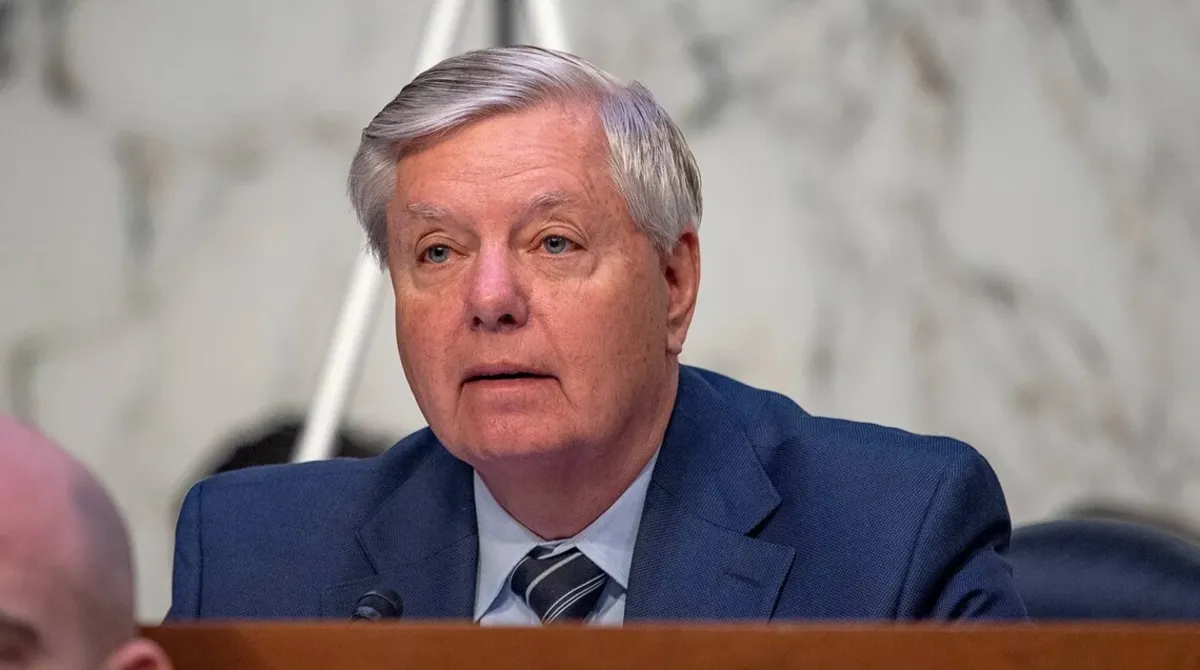
At the same time, Graham did not always act along party lines. Together with Democratic senators, he worked on attempts to pass immigration reform that aimed to combine border security enforcement with potential pathways to legalization for some migrants.
His ability to negotiate with political opponents was long one of his defining traits. His closest friend and political ally was Senator John McCain. Together with independent Senator Joe Lieberman, they were unofficially known as the "three amigos" of American foreign policy.
After McCain's death in 2018, Graham said: "John made me a better person."
They were united by a belief in active American leadership, a strong military, and the necessity of supporting U.S. allies even when it required significant financial and political costs.
From Donald Trump's critic to his ally
One of the most controversial chapters of Graham's biography was his relationship with Donald Trump.
During the 2015–2016 Republican primaries, Graham himself tried to become a candidate for U.S. president. His campaign did not gain significant support, but the senator became one of Trump's harshest critics.
In May 2016, Graham wrote a phrase that would haunt him for years: "If we nominate Trump, we will get destroyed—and we will deserve it."
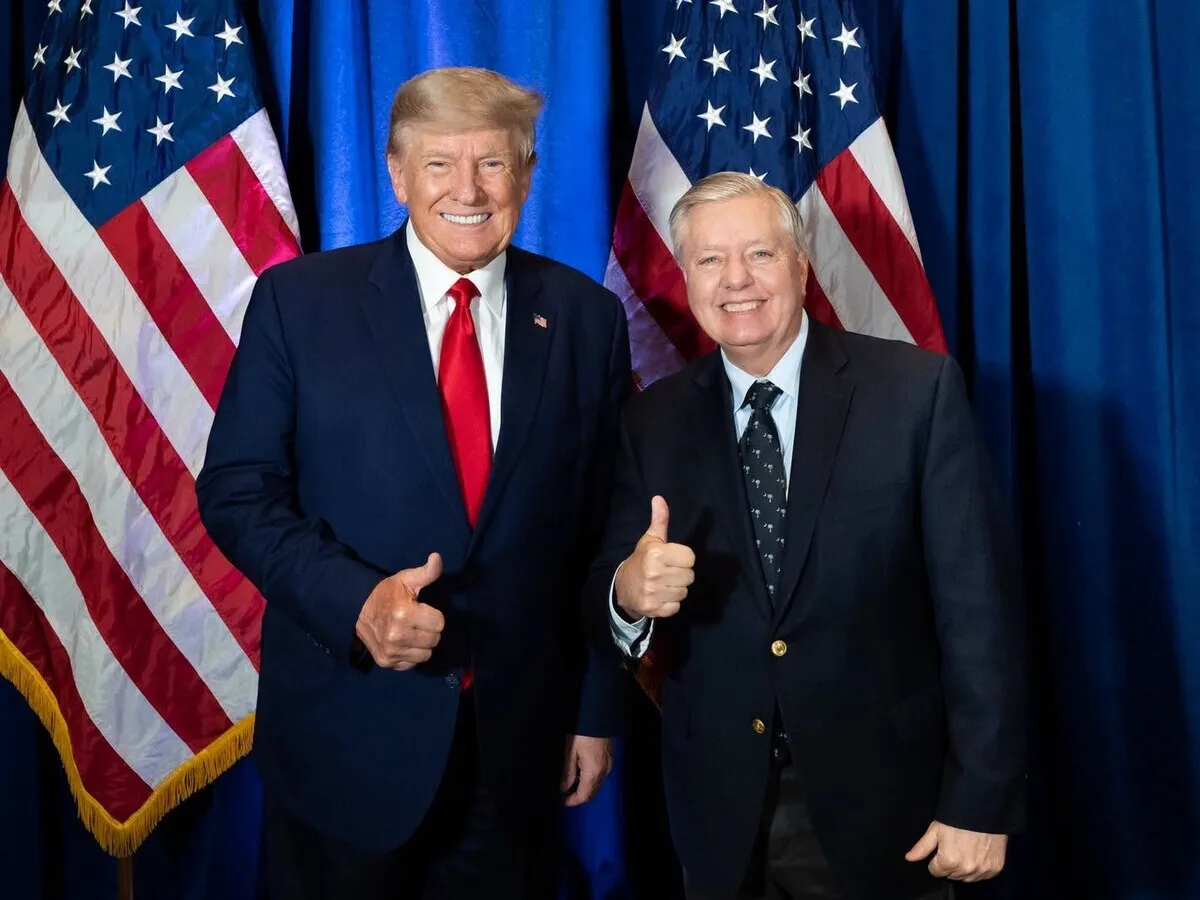
After Trump's victory, their relationship gradually changed. Graham began communicating with the president regularly, playing golf with him, and advising him on defense and foreign policy issues.
The senator supported most of the Trump administration's initiatives, defended the president during impeachment proceedings, and helped confirm his nominees to the Supreme Court.
After the January 6, 2021, attack on the Capitol, Graham stated from the Senate floor: "Trump and I, we've had a hell of a journey. I hate it to end this way... Count me out."
However, a final break never occurred. Soon after, Graham returned to the Trump camp, supported his new presidential campaign, and remained one of the president's most influential allies in the Senate.
Lindsey Graham and Ukraine: support for Kyiv began in 2014
Lindsey Graham's support for Ukraine did not begin after February 24, 2022. Even after the Russian occupation of Crimea and the start of the war in Donbas, the senator advocated for arming Ukraine and imposing tougher sanctions on Moscow.
In 2014, he criticized the Barack Obama administration for what he considered an insufficiently decisive reaction to Russian aggression. In his official statement, Graham argued that sanctions were not enough and that the Kremlin viewed the West's weakness as an invitation to further aggression.
In December 2016, Graham visited Ukraine together with John McCain and Amy Klobuchar. During the trip to Donbas, the senators met with Ukrainian soldiers. Graham called on them to continue the fight and promised to push for greater support in Washington.
His position was not emotional, but strategic. The senator believed that the consequences of the war in Ukraine extended far beyond Europe. In his view, a Russian victory could become a signal for other authoritarian states, particularly China.
Lindsey Graham's visits to Ukraine after the full-scale war began
After the full-scale invasion, Graham became one of the most frequent American political visitors to Kyiv. He mostly visited together with Democratic Senator Richard Blumenthal, demonstrating that support for Ukraine had bipartisan character.
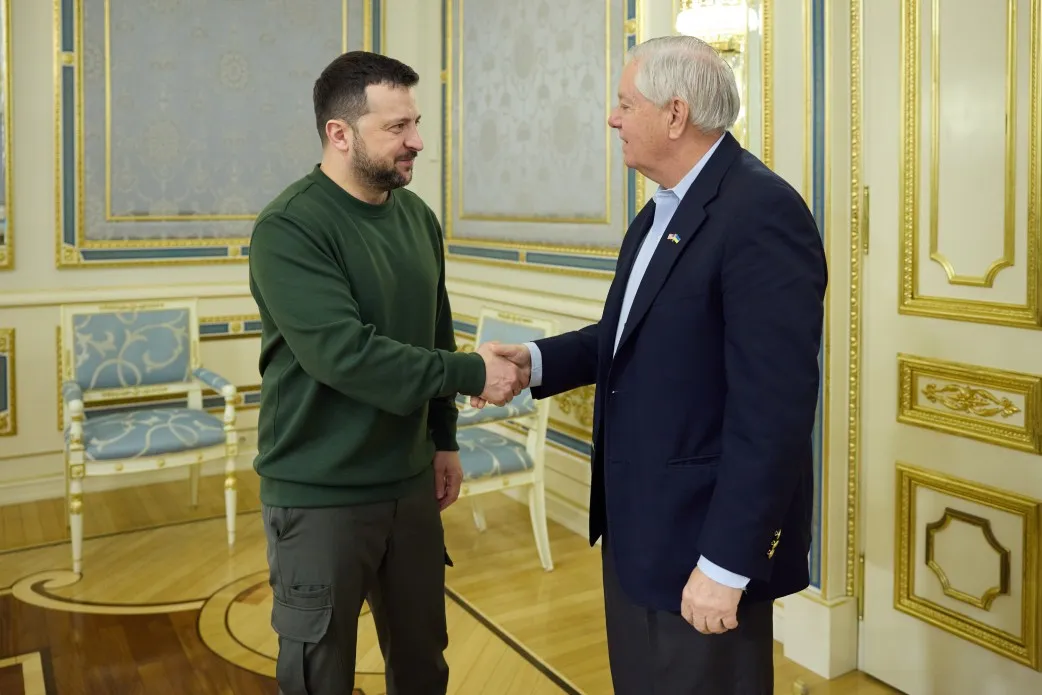
In July 2022, the senators met with Volodymyr Zelenskyy and discussed arms supplies, sanctions, and Russia's accountability for war crimes.

In May 2023, Graham arrived in Kyiv again. This was his third visit since the start of the full-scale invasion. During his conversation with Zelenskyy, he stated: "The resistance being shown by the Ukrainian people reminds me of our best days as Americans. They will either be free or they will die."
A video of the meeting was later edited in a way that made the senator's words about the deaths of Russian soldiers and the effectiveness of American aid sound like a single statement. Russian authorities used the recording for a propaganda campaign, and the Russian Interior Ministry placed Graham on a wanted list.
The senator himself responded with irony, calling the warrant a "badge of honor."
In March 2024, the senator arrived in Ukraine against the backdrop of an American aid package being delayed in the House of Representatives. Zelenskyy briefed him on the situation on the front lines and the primary needs of the Ukrainian army.
Lindsey Graham's sanctions against Russia
One of Graham's main initiatives was a bipartisan bill on mass strengthening of sanctions against Russia. He prepared the document together with Richard Blumenthal.
The bill provided for secondary sanctions and high tariffs for states that continue to purchase Russian oil, gas, uranium, and other goods, supporting the Kremlin's revenues.
In July 2025, Graham and Blumenthal declared that their initiative was supported by 85 out of 100 senators. This meant a level of bipartisan support that is rare in American politics.
In January 2026, Graham reported that Donald Trump had agreed to allow the bill to move forward. The senator stated: "Ukraine is making concessions for the sake of peace, while Putin only talks and continues to kill the innocent."
During his last visit to Kyiv on July 10, 2026, Graham announced that the senators had reached an agreement with the White House on the version of the sanctions bill that the Trump administration was ready to support.
"We have reached an agreement with the White House on the version of the sanctions bill against Russia that they will support. This means it will become law," the politician told journalists.
Lindsey Graham's last visit to Kyiv
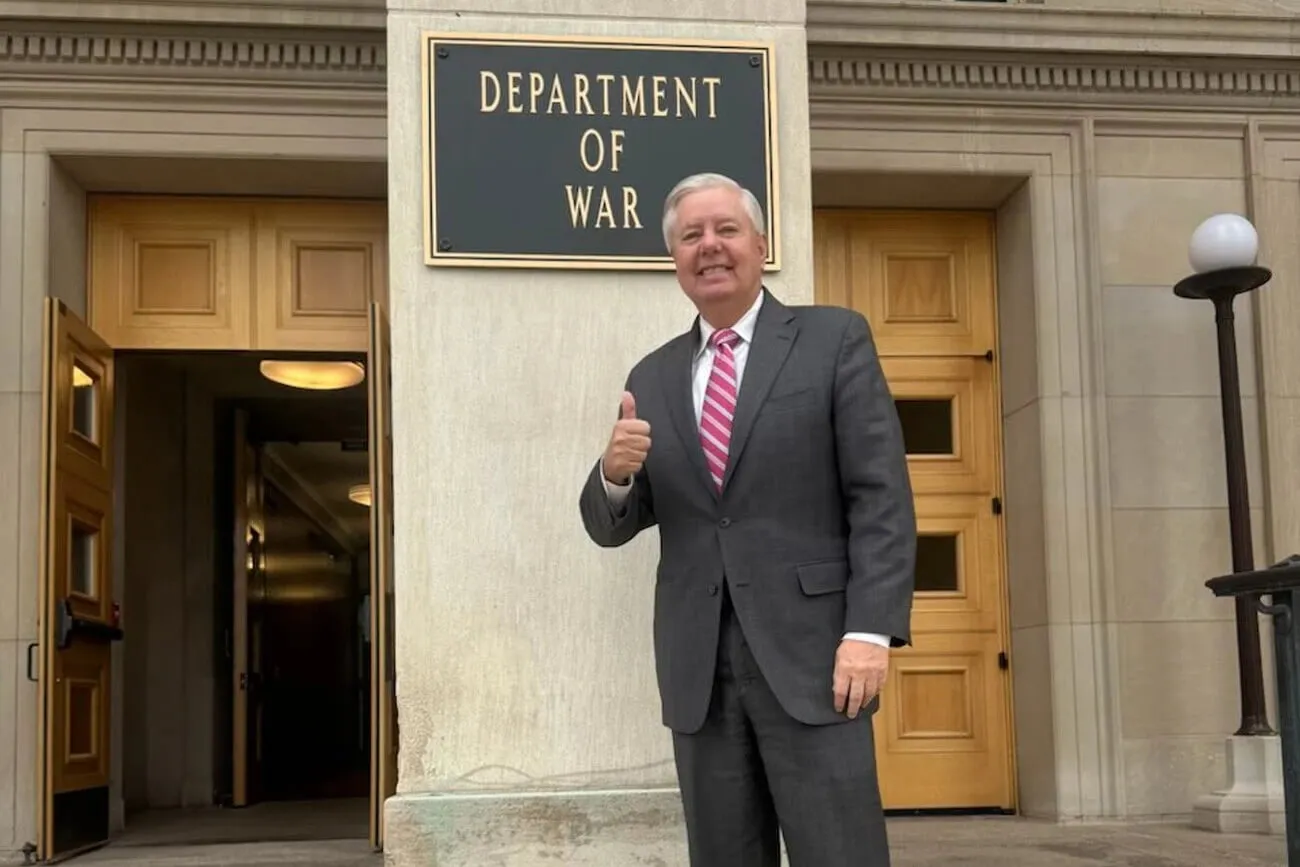
The senator's last foreign trip was indeed to Ukraine. On July 10, 2026, he met with Volodymyr Zelenskyy in Kyiv.
The sides discussed strengthening sanctions against Russia, Ukraine's needs for air defense, diplomatic efforts, and further support for Kyiv in Congress. The President thanked the United States for the air defense systems that have saved thousands of lives.
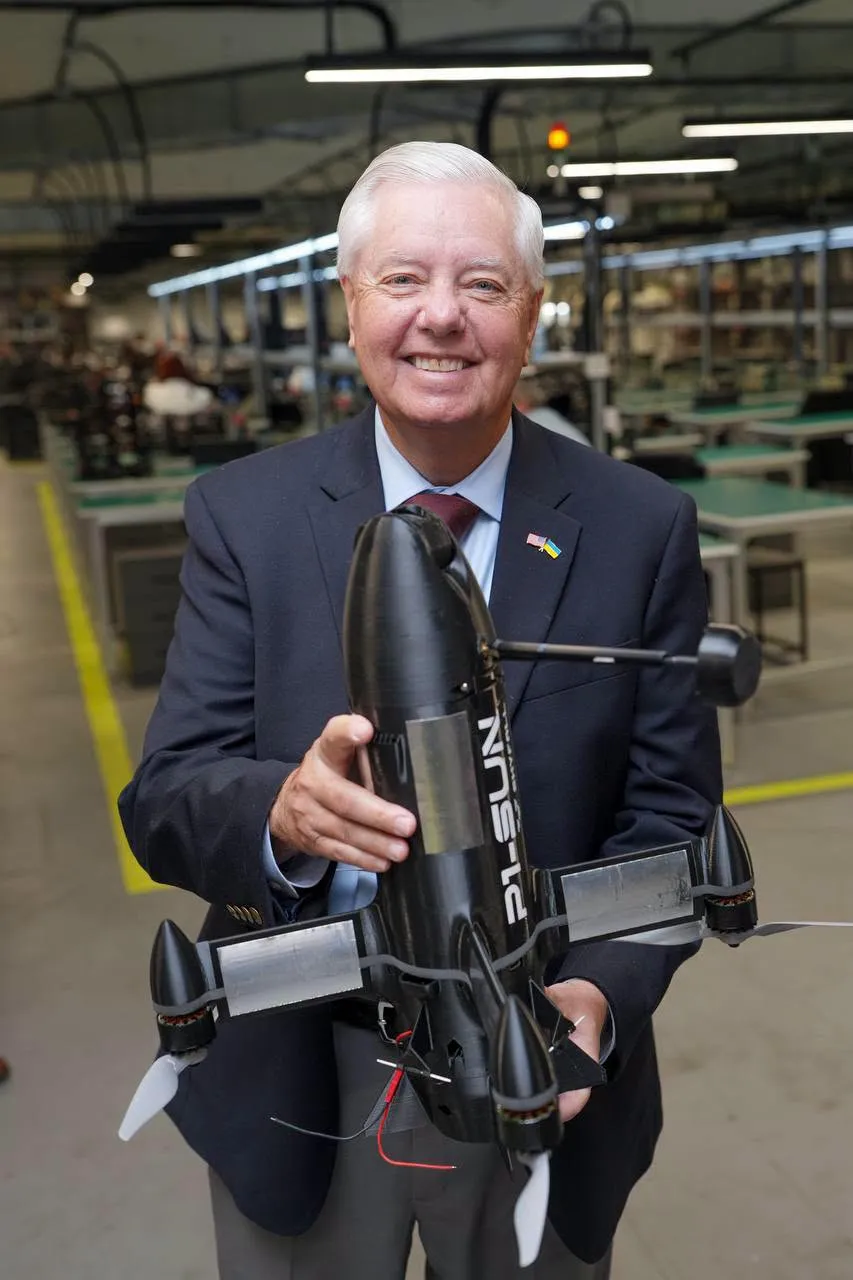
After the talks, Graham also stated that China could play a decisive role in ending the war if it increased pressure on Moscow.
"China can stop this war. Without China, Putin wouldn't be able to prosecute it at this scale," the senator emphasized.
The day after returning to the United States, Lindsey Graham passed away.
How reactions to Lindsey Graham's death unfolded in the U.S. and Ukraine
The politician's death drew reactions from both sides of the American political spectrum. Colleagues remembered his sense of humor, work ethic, negotiating skills, and years of service to the state.
Donald Trump called Graham "a true American patriot" and one of the best senators he ever knew. Democrats who had argued with the politician for years also noted his willingness for bipartisan work.
For Ukraine, his death is an especially palpable loss. Graham combined several qualities important to Kyiv: he had significant authority in the Senate, maintained direct contacts with the Ukrainian leadership, and at the same time had access to Donald Trump.
President Volodymyr Zelenskyy called Graham a true friend of Ukraine and noted his contribution to the defense of freedom and increasing pressure on Russia.
What political legacy did Lindsey Graham leave behind
Lindsey Graham left behind a controversial political legacy. He was criticized for his sharp change in attitude toward Donald Trump, his support for U.S. military operations, and his willingness to adapt to the new balance of power within the Republican Party.
However, even his opponents recognized his influence. For over 30 years, Graham remained an active participant in American politics, worked with presidents of both parties, participated in Supreme Court appointments, and helped shape U.S. defense and foreign policy.
He belonged to a generation of Republicans who believed that America could not wall itself off from the world. For him, supporting allies was not charity, but a way of protecting the United States itself.
His foreign policy views can best be conveyed by the words he repeated in various ways over many years: "If America is not a leader, this place will be taken by forces that do not share our values."
For Ukraine, Lindsey Graham will remain a politician who supported its independence long before the full-scale invasion, visited Kyiv many times during the war, and until his final days, tried to achieve new economic pressure on Russia.
It is symbolic that he made his last major political statement in Kyiv—a city whose defense he considered part of the fight for the future of the entire democratic world.




