
Slovenia has reduced the output of its nuclear power plant due to the heat wave
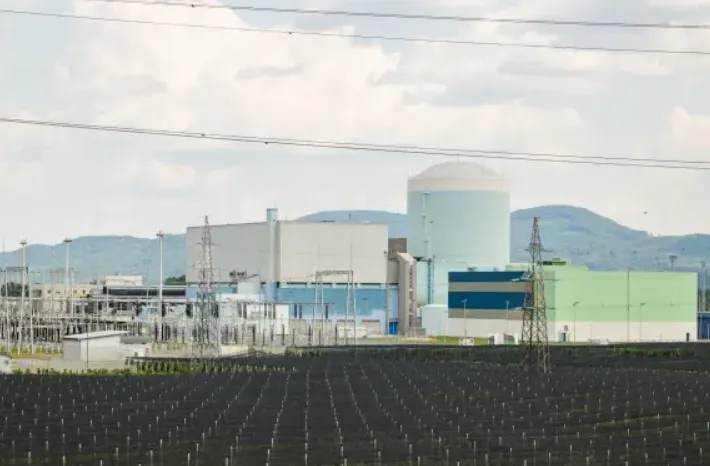
Slovenia has become yet another European country to restrict the operation of a nuclear power plant due to adverse weather conditions. The country’s only nuclear power plant, located in Krško, has reduced its electricity production to 80% of its capacity.
The decision was made following similar measures taken by Hungary and Romania, where nuclear power plants were also forced to reduce output due to high temperatures.
The restrictions were caused by the heat, which is affecting the availability of water resources for cooling power facilities. In this way, operators are trying to ensure the safe operation of nuclear power plants.
The reason for the restrictions on nuclear power plant operations is the low water level and high water temperature in the Sava River, which is used to cool the reactor.
The power restrictions are set to begin overnight from Wednesday to Thursday. If hydrological conditions worsen, further reductions in electricity production are possible.
This is the first such incident since 2003, when the power plant operated at reduced capacity for about three months due to low water levels in the Sava.
Water shortages are also affecting other countries in the region. Due to low water levels in the Danube, into which the Sava flows, the operation of nuclear power plants in Hungary and Romania has been restricted.
This was reported by the Slovenian news agency STA.
In Lithuania, a Chernobyl-type reactor is being dismantled at a nuclear power plant for the first time in the world — LRT.
Slovenia is demanding that the European Commission investigate Israeli interference in the elections — Politico.
As a reminder, a referendum on the country’s withdrawal from NATO may take place in Slovenia.
Slovenia has also declared the Israeli prime minister persona non grata.




