
The Ebola outbreak in the Democratic Republic of the Congo has become the deadliest in the country's history
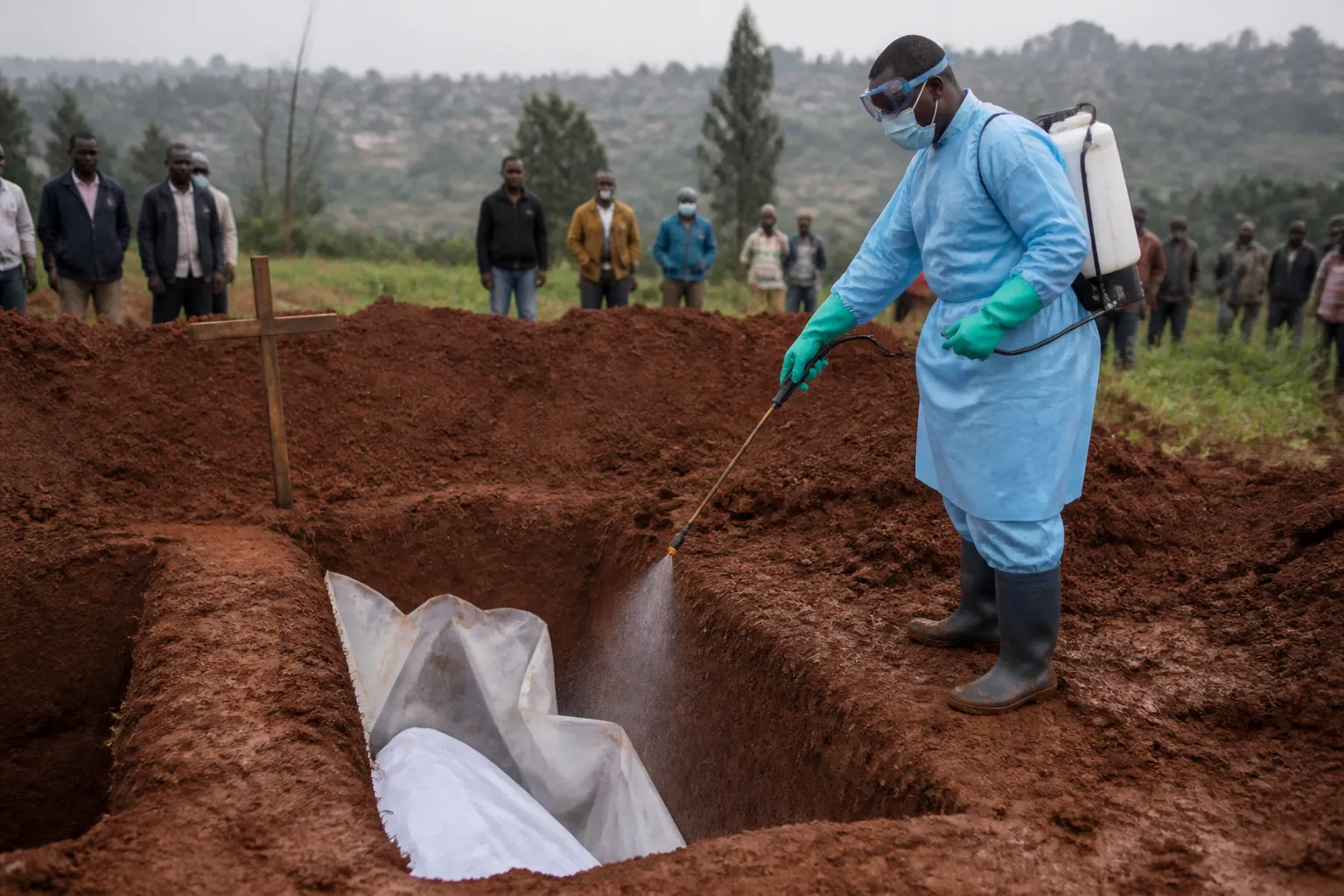
The Ebola outbreak in the Democratic Republic of the Congo has become the deadliest in the country’s history: at least 2,325 people have died from the virus. This figure exceeds the death toll from the 2018–2020 epidemic, according to The Guardian, citing government data.
The DRC Institute of Public Health has recorded 4,945 confirmed cases, including 101 in the past 24 hours. The outbreak has spread to six of the country’s 26 provinces, primarily areas near the northeastern border. More than 3,400 cases have been reported in Ituri Province, where the outbreak was first detected.
According to the World Health Organization, this epidemic could surpass the 2014–2016 outbreak in West Africa and become the largest in history. At that time, 28,616 cases and 11,310 deaths were recorded in Guinea, Liberia, and Sierra Leone. The current outbreak is the 17th in the history of the DRC and, based on the number of confirmed cases, is spreading faster than any other known Ebola outbreak. More than 2,000 people have died in less than three months, whereas during the West African epidemic, it took nearly five months to reach the 1,000-death mark.
For more breaking news, follow the UA.News Telegram channel.
According to the UN, the epidemic claims one life every 30 minutes. Thomas Parish, an expert with Doctors Without Borders, stated that many cases are detected too late, when treatment has a lower chance of success. Some patients are identified only after their death in the community.
The current outbreak is caused by the rare Bundibugio strain, for which there are currently no approved vaccines or treatments. Last month in Ituri, clinical trials began on two potential drugs, as well as human trials of two vaccines specifically designed to combat this strain. In May, the WHO declared the outbreak in the DRC and Uganda a public health emergency of international concern.


