
The U.S. attacked more than 170 targets in Iran
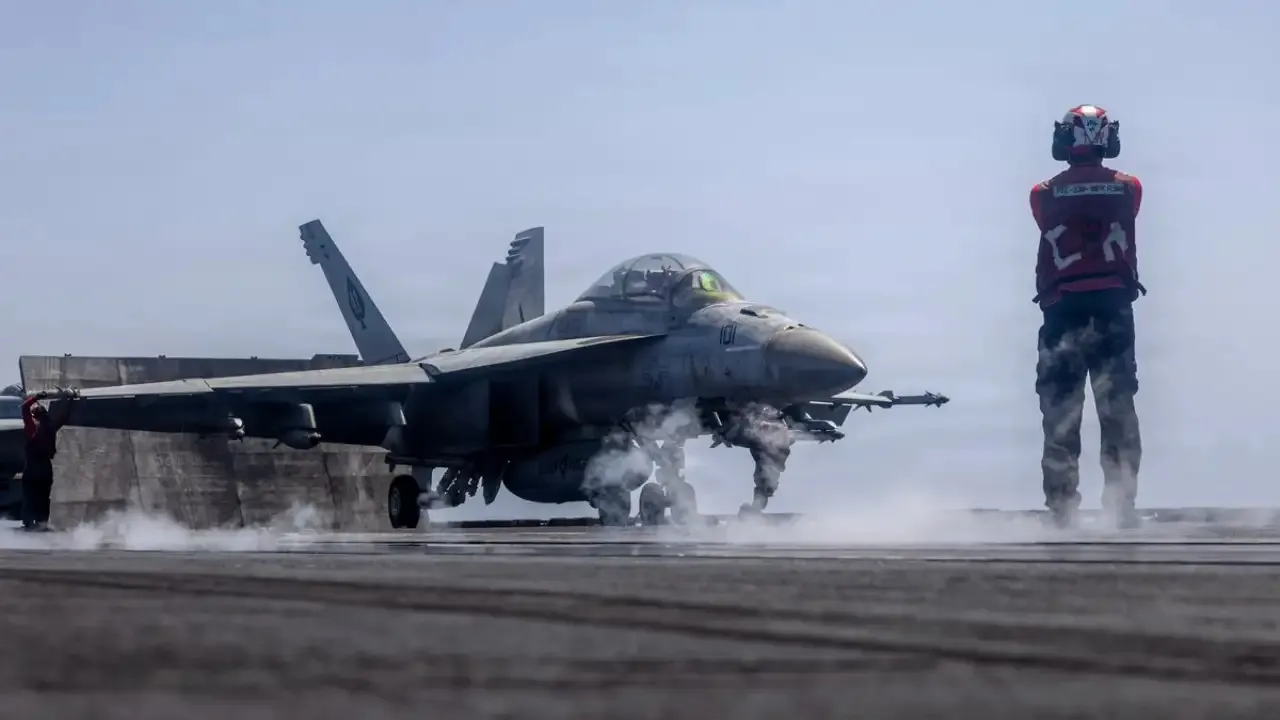
The United States has announced a large-scale military operation against Iran. Over the past two days, U.S. forces have struck more than 170 military targets located near the Strait of Hormuz. Officials in Washington say the main goal of the operation is to weaken Iran’s ability to attack international shipping.
According to the U.S. military, the strikes were concentrated along Iran’s coastline near the Strait of Hormuz—one of the world’s most important sea lanes, through which a significant portion of the world’s oil exports passes. More than 170 military targets were struck. Among them were:
- air defense systems;
- depots storing missiles and drones;
- high-speed military boats;
- logistical facilities and other military infrastructure.
CENTCOM explained that the operation was aimed at reducing Iran’s ability to carry out attacks on commercial vessels passing through the Strait of Hormuz. “The strikes were intended to degrade Iran’s ability to attack civilian shipping in the Strait of Hormuz,” the U.S. military stated.
According to The New York Times, this operation was one of the largest in recent memory. The publication notes that the number of targets struck was approximately 14 times greater than the scale of U.S. strikes during the previous escalation of the conflict in June. The Strait of Hormuz is of strategic importance to the global economy. Oil and liquefied natural gas tankers pass through it, so any escalation of the situation in this region causes concern in international markets.
So far, Iran has not officially commented on the U.S. Central Command’s statement regarding the number of strikes carried out and the extent of damage to military facilities. Amid the ongoing standoff between Washington and Tehran, tensions in the region remain high. Experts fear that further reciprocal strikes could lead to a new round of escalation in the Middle East, according to Al Jazeera.
Despite declarations of a ceasefire, the situation in the Middle East has escalated again. On Wednesday night, the U.S. and Iran exchanged new strikes, and Jordan announced that it had intercepted Iranian missiles over its territory. Meanwhile, in Iran, the funeral for former Supreme Leader Ali Khamenei continues amid ongoing hostilities.
A funeral procession took place in the city of Mashhad, Iran, during which the coffins of Supreme Leader Ali Khamenei and members of his family were carried through the streets. Large crowds gathered to pay their respects, causing the procession to be temporarily delayed.


