
The U.S. is urgently arming its allies in the Middle East
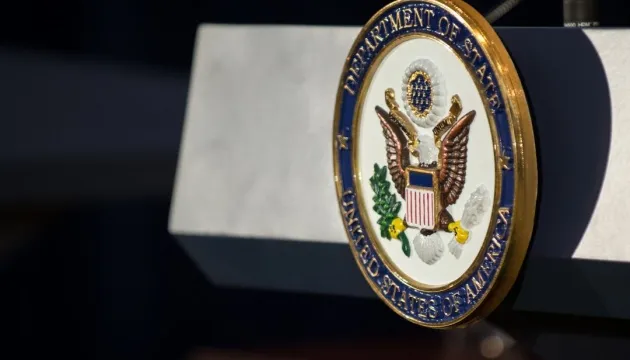
The U.S. has approved a massive sale of military equipment to allies in the Middle East worth over $8.6 billion, bypassing the standard congressional review process. The decision was justified as an “emergency” requiring rapid approval of deliveries to a number of countries in the region, according to Reuters.
The administration of U.S. President Donald Trump has approved the sale of a large package of military equipment to allies in the Middle East worth over $8.6 billion, bypassing the standard congressional approval process. The State Department explained this move by the need for a rapid response to the security situation in the region, which was deemed an emergency.
According to the department, U.S. Secretary of State Marco Rubio decided to waive the usual review process, allowing for the rapid approval of a series of contracts. This involves large-scale deliveries of air and missile defense systems, as well as modern guidance and fire control systems for several allied countries.
Qatar received the largest package—over $4 billion for the maintenance and replenishment of Patriot systems, as well as nearly $1 billion for APKWS laser-guided systems. Kuwait will receive an Integrated Battle Control System (IBCS) worth $2.5 billion, while Israel and the UAE will receive additional batches of APKWS systems worth nearly $1 billion and approximately $147 million, respectively.
The State Department also noted that the main contractors are leading American defense corporations, including BAE Systems, RTX, Lockheed Martin, and Northrop Grumman. They will be responsible for manufacturing and supplying the systems designed to strengthen the air defense capabilities of U.S. allies in the region.
In fact, Washington’s decision demonstrates an acceleration of military cooperation with strategic partners in the Middle East, where the U.S. continues to build up its defense presence through multibillion-dollar contracts and technological support for allies.
For decades, North Korea has played a key role in the development of Iran’s missile program, transferring not only weapons but also technology and engineering solutions. According to experts, it was this cooperation that allowed Tehran to transition from simple copies of Soviet missiles to modern long-range systems. Over time, this interaction evolved into a large-scale military-technological network.


