
The U.S. has set a new all-time record for liquefied natural gas exports
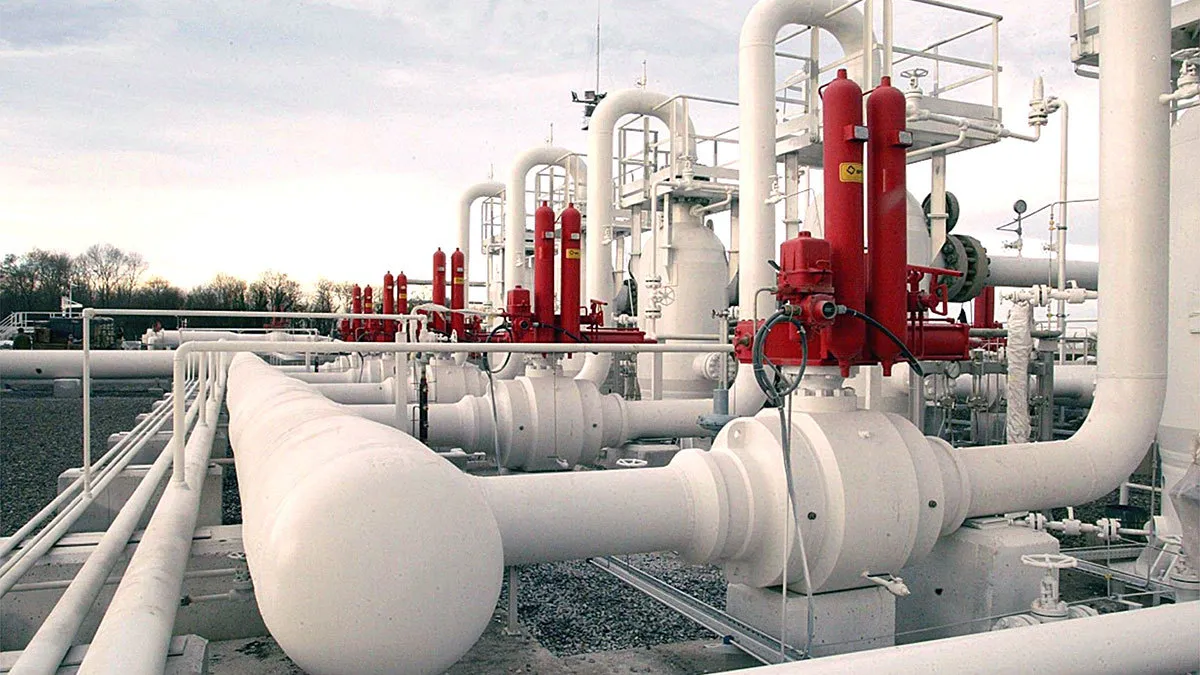
In March, the United States recorded its highest-ever level of liquefied natural gas (LNG) exports, shipping 16.1 billion cubic meters of the fuel to foreign markets.
This was reported by ExPro Consulting.
This result surpassed the previous record set in December 2025 and reaffirmed the country’s status as the world’s leading energy supplier.
Growth trends and reasons for the record
March figures showed rapid growth compared to February’s result, which stood at just 13.7 billion cubic meters.
The main reason for this surge was instability in the Middle East.
Due to military operations, the global market lost about 20% of the total supply of liquefied natural gas. The war caused significant damage to infrastructure in key regions for the production and transportation of natural gas.
In particular, Qatar was forced to halt energy production after industrial facilities were severely damaged by an Iranian strike.
QatarEnergy officially stated: “This could result in a loss of over 16.5 billion cubic meters of capacity for up to five years.”
Distribution of supplies between Europe and Asia
Traditionally, the European Union remains the largest consumer of American fuel, accounting for about 64% of exports.
In March, European countries purchased 10.3 billion cubic meters of gas, slightly less than February’s figure of 10.6 billion.
At the same time, there has been an explosive growth in demand in the Asian market. Shipments to Asia rose from 0.97 billion cubic meters in February to an impressive 2.7 billion in March.
This shift in traders’ priorities is driven solely by economic benefits and a significant price difference.
In the Asian market, the average price was $21.65 per MMBtu, while in Europe, the price remained at $16.17 per MMBtu.
Egypt was also an active buyer of American gas, importing about 0.86 billion cubic meters. In contrast, Latin American countries slightly reduced their consumption—from 0.72 to 0.59 billion cubic meters.
The transportation situation remains tense due to congestion and security risks on maritime routes.
Currently, over 1.4 billion cubic meters of U.S. LNG is in the open sea or awaiting passage through the Suez Canal.
As a reminder, U.S. gas prices have surged to a historic high.
China is also reselling Russian gas at a price several times higher than its purchase price.
