
June 11 Holiday: The World Honors Jacques-Yves Cousteau and His Oceanic Revolution
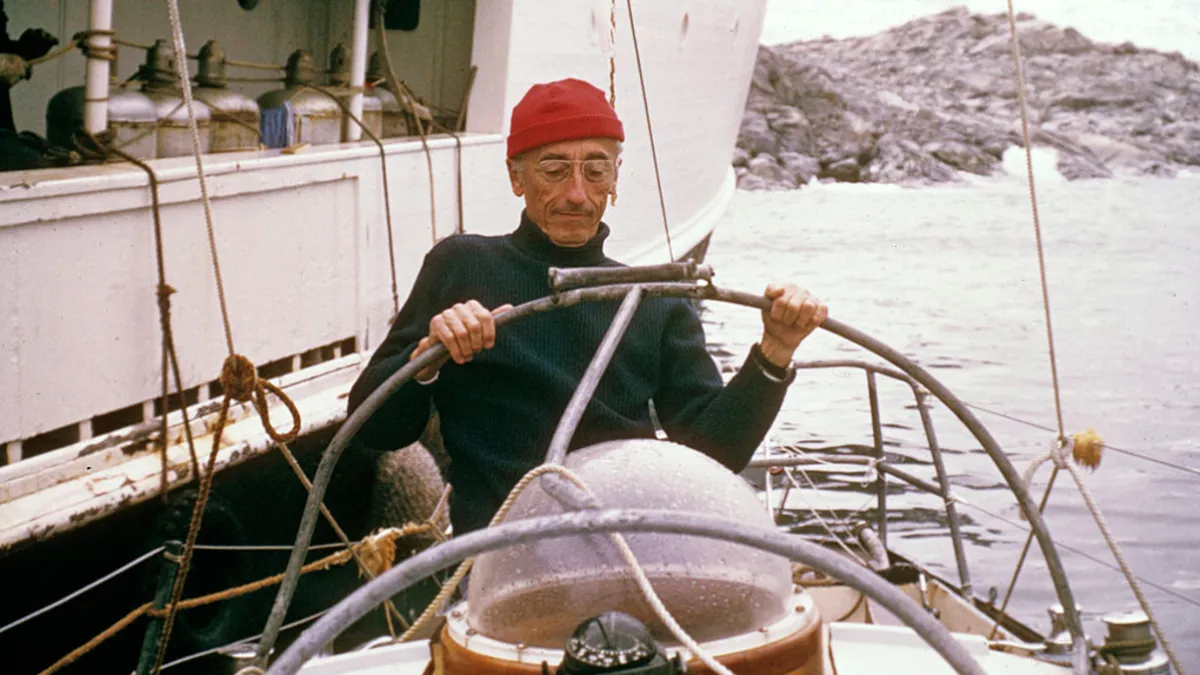
Every year on June 11, the world commemorates Jacques-Yves Cousteau—the man who literally opened up the ocean to humanity and transformed the underwater world from an unattainable mystery into a part of science, cinema, and popular culture. This is his birthday, and that is why it has become a symbolic day of remembrance for the explorer who changed our understanding of the sea, diving technology, and the very idea of exploring nature. Today, this day is seen not only as a tribute to his life story, but as a reminder of humanity’s responsibility toward the ocean.
Jacques-Yves Cousteau Day is not an official public holiday worldwide, but every year on June 11, his name reappears in the media, educational programs, and environmental initiatives. The reason is simple and highly symbolic—it was on this day in 1910 that the French explorer, oceanographer, inventor, and filmmaker was born, a man who made the underwater world visible to millions of people. The idea of honoring him took shape later, after it became clear just how profoundly he had influenced science, ecology, and documentary filmmaking.
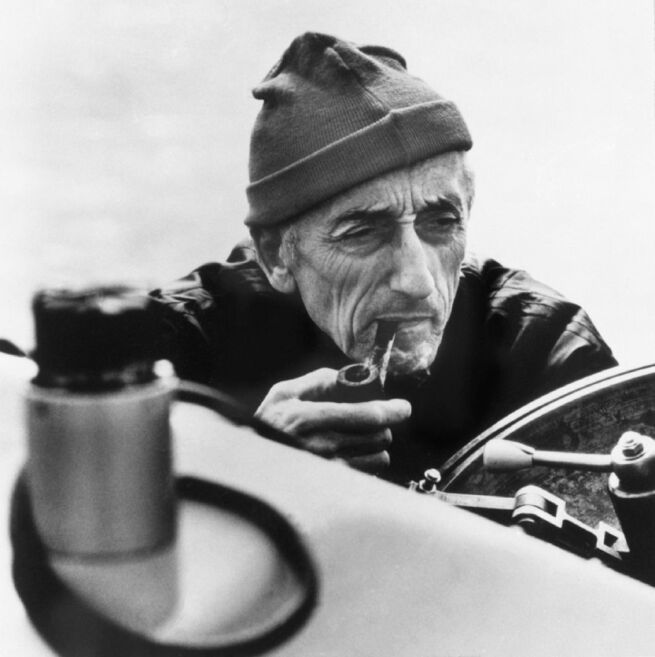
In fact, this is not a classic “holiday with traditions,” but rather a global day of remembrance and promotion of oceanography, which emerged in the wake of Cousteau’s centennial in 2010. It was then that the world began to talk more actively about his legacy, the films, books, and technologies he created or helped develop. Over time, this date became established in the environmental calendar as an occasion to once again discuss the ocean and the people who explore it.
How this day came to be and why environmentalists supported it
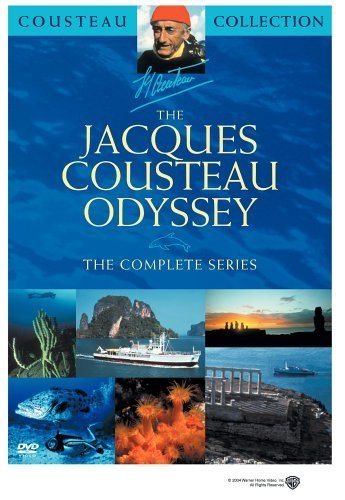
The impetus for popularizing the date came not from any single organization, but rather from a global wave of interest in Cousteau. His films, especially the legendary *The Underwater Odyssey of the Cousteau Team*, shaped people’s perceptions of the ocean as a living, complex, and fragile world for decades. After 2010, environmental organizations, research centers, and museums began using June 11 as an opportunity to raise awareness about marine conservation.
Environmentalists emphasize that this date is important not only as a tribute to a man but also as an educational tool. Through Cousteau, it is easy to explain complex issues in simple terms: why ocean pollution affects the climate, why fish species are disappearing, and why underwater ecosystems function as a single mechanism. That is why lectures, film screenings, and themed exhibitions are held in various countries on this day.
Who was Jacques-Yves Cousteau, and why is he considered a legend?
Jacques-Yves Cousteau was not just a scientist, but a man who combined science, engineering, and art. He began his career as an officer in the French Navy, but after an injury and a difficult rehabilitation, he found his true calling in underwater exploration. It was during this period that he began experimenting with diving equipment and, together with engineer Émile Gagnan, created the first modern aqualung.

This invention was a turning point for science as a whole, as it was the first time a person could stay underwater for extended periods without a connection to the surface. After that, Cousteau embarked on a series of expeditions aboard the ship “Calypso,” which was transformed into a veritable floating laboratory. His team explored oceans around the world, filmed, and documented what no one had ever seen before.
Inventions and Contributions to Science
Cousteau left behind not only films but an entire technological legacy. In addition to the aqualung, he developed underwater television systems, cameras for deep-sea filming, lighting, and even experimental underwater living stations. The “Precontinent” project was an attempt to demonstrate that humans could temporarily live underwater and work in conditions similar to those in space.
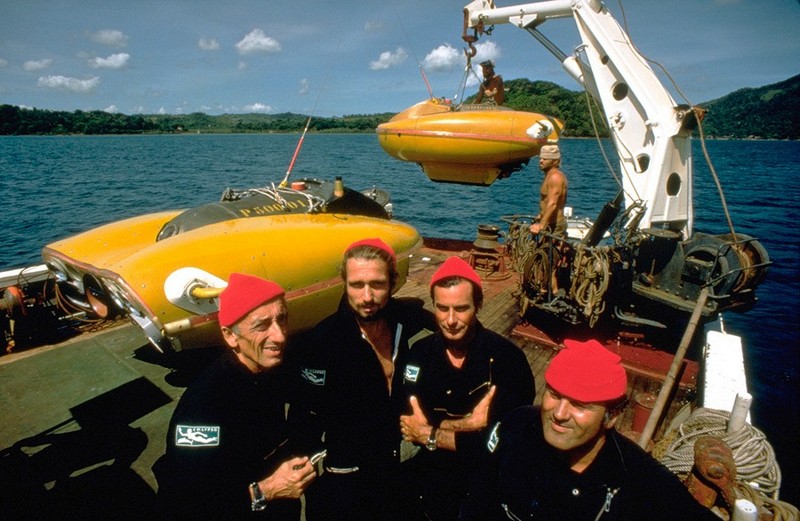
His team also used so-called “diving discs”—small two-person submersibles that allowed for exploration of the depths without complex diving operations. These developments laid the foundation for modern underwater technology and even influenced the development of space programs, which utilized similar principles of autonomy.
Films and books changed perceptions of the ocean
Cousteau was not only an explorer but also a filmmaker who understood the power of the visual image. His film *The Silent World* won the Palme d’Or at Cannes and an Oscar, making nature documentaries a true cultural phenomenon. Later came the series “The Underwater Odyssey of the Cousteau Team,” which aired for decades on television in various countries and shaped viewers’ environmental awareness.

His books, including “In the World of Silence,” “The Living Sea,” and “The World of the Ocean,” have become classics of popular science literature. They combined precise observations with an emotional description of underwater life, thanks to which the ocean ceased to be an abstraction and became a real world with its own laws.
How Cousteau Day Is Celebrated Today
Today, June 11, various countries are holding educational events dedicated to the ocean and the conservation of aquatic ecosystems. Schools and museums are showing clips from his films, discussing current ocean issues, and presenting the results of new research. Environmental organizations often use this day to launch conservation campaigns.
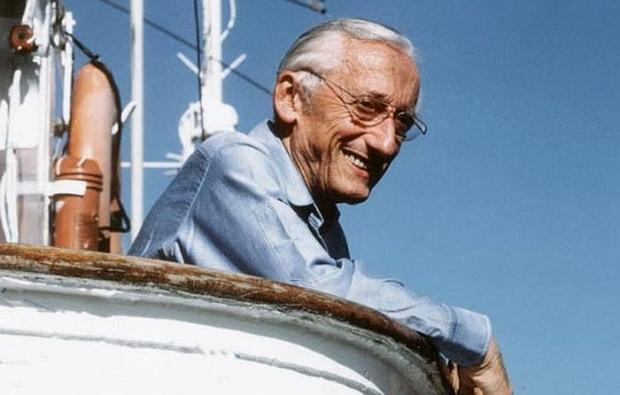
On social media, people are sharing archival footage from Cousteau’s expeditions, quotes, and reminders about the importance of preserving the marine environment. Some aquariums and science centers hold special tours and lectures for children to show how the underwater world works and why it needs protection.
A Legacy That Lives On
Jacques-Yves Cousteau died in 1997, but his legacy continues to influence science, film, and environmental movements. Scientific projects, islands, and research centers bear his name, and his ideas about responsible stewardship of the ocean have become part of global environmental policy.
And that is why June 11 is not just a date on the calendar, but a reminder of a man who proved that the ocean can not only be studied, but also heard.


