
Holiday #12, 2026 — International Mindfulness Day: How to Learn to Live in the Present

September 12 marks International Mindfulness Day. This day is dedicated to the practice of paying close attention to the present moment, one’s own thoughts, emotions, and sensations. In 2026, Mindfulness Day falls on a Saturday. It was established in 2011 on the initiative of Wisdom Publications to help more people learn about mindfulness and how this practice can be applied in everyday life.
International Mindfulness Day is observed on September 12. In 2026, it falls on a Saturday. In English, this date is called Mindfulness Day. It is dedicated to spreading knowledge about mindfulness and practices that help people become more aware of what is happening to them right now.

It is important to note that this day is not an official international day established by the UN. It is a civic and educational initiative that has gradually gained popularity in various countries. Therefore, the name “International Mindfulness Day” should be understood as a common name for the event, rather than an official designation on the UN calendar. The idea behind the day is quite simple: to pause—even briefly—amid the constant flow of daily activities and pay attention to what is happening around us and within us. This could be a simple walk, a cup of tea, a few minutes of silence, or mindfully observing one’s own breath.
How International Mindfulness Day Came to Be
Mindfulness Day was launched in 2011. The initiative came from the American publisher Wisdom Publications, which specializes in books on Buddhist philosophy, meditation, mindfulness, and related practices. September 12 was proposed as the day to remind people of the importance of mindfulness. By that time, the practice of mindfulness had already begun to extend well beyond religious and spiritual circles. It was being used in psychology, medicine, education, and stress-management programs.
The idea behind a dedicated day was not to force everyone to meditate. On the contrary, the organizers wanted to show that mindfulness can be part of everyday life. People can practice it while walking, eating, working, talking, or doing household chores. Over the years, September 12 has come to be used for meditations, lectures, open classes, and other events. Special resources, audio practices, and online events dedicated to Mindfulness Day have appeared online.
What Is Mindfulness in Simple Terms
Mindfulness is the ability to be attentive to the present moment, to notice your thoughts, emotions, bodily sensations, and the world around you without constantly judging whether they are good or bad. For example, a person might be drinking coffee while scrolling through their phone, replying to messages, and thinking about work. It seems like they’re drinking coffee, but in reality, they hardly notice its taste. Mindfulness in such a situation means focusing for a few minutes on exactly what is happening right now.

This doesn’t mean you have to completely clear your mind of thoughts. On the contrary, thoughts will still arise. The challenge is to notice them and not let every new thought automatically take over your attention. You can do the same with your emotions. For example, instead of reacting automatically to irritation, you can pause and think: “I’m angry right now. Why? What exactly triggered me?” Such a pause can help you better understand your own reaction. Scientific sources describe mindfulness as the practice of maintaining attention or awareness of the present moment without judgment. It can be part of meditation, but these concepts are not entirely the same.
How Mindfulness Differs from Meditation
Mindfulness and meditation are often referred to as the same thing, but this isn’t entirely accurate. Meditation is a broader concept. There are various types of meditative practices during which a person can focus on their breathing, a sound, a specific word, an image, or their own sensations. Mindfulness can be one such approach.
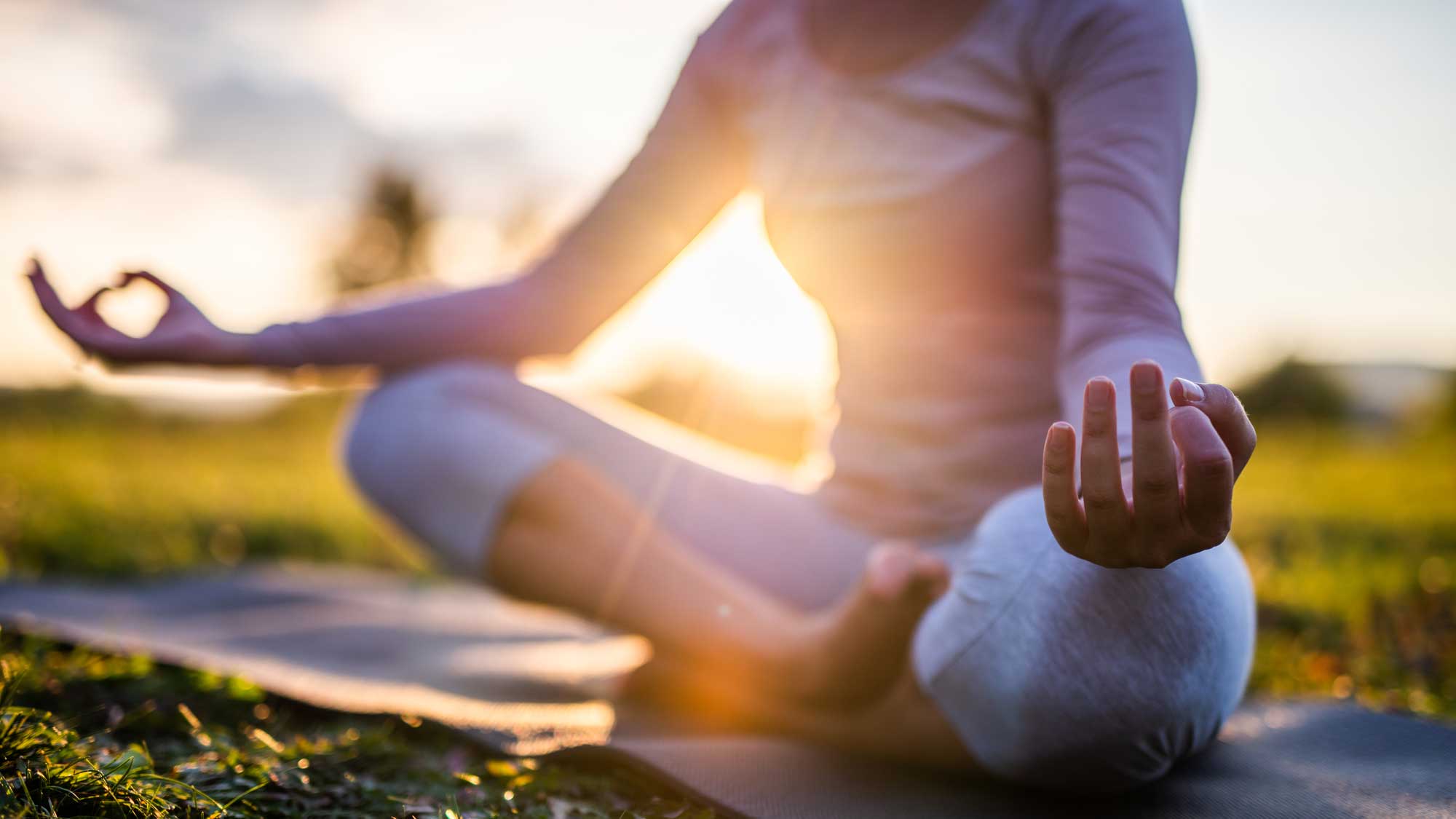
At the same time, mindfulness can be practiced even without formal meditation. For example, you can listen attentively to the person you’re talking to without checking your phone every few minutes. You can eat while savoring the taste and smell of your food, rather than doing so automatically while staring at a screen. You can walk down the street and pay attention to the sounds, the temperature of the air, and your own footsteps. In other words, mindfulness doesn’t necessarily mean sitting with your eyes closed on a mat. It’s more of a way to be present in what you’re doing. That’s exactly why the practice has become popular far beyond the realm of traditional meditation. It’s used in psychological support programs, education, and stress management.
Why Mindfulness Matters
One of the main reasons people start practicing mindfulness is the desire to cope better with stress. Modern people are constantly switching between messages, work, the news, social media, and daily chores. Because of this, it can be difficult to simply stop and understand what you’re actually feeling. Mindfulness helps create a pause between an event and an automatic reaction. For example, if someone receives an unpleasant message, they can choose not to respond immediately based on their emotions, but instead first notice their own reaction and only then decide what to do.

Scientific studies show that mindfulness practices can help reduce symptoms of stress, anxiety, and depression. At the same time, researchers emphasize that the results of different studies vary, and mindfulness should not be viewed as a universal cure for all problems. The U.S. National Center for Complementary and Integrative Health notes that research suggests mindfulness may be beneficial for stress, anxiety, depressive symptoms, and sleep quality. However, the strength of the evidence depends on the specific practice and the problem being addressed.
Does mindfulness really help reduce stress?
This is one of the most common questions about mindfulness. And the scientific answer isn’t a simple “yes” or “no.” Research shows that mindfulness-based programs may lead to a small or moderate reduction in anxiety and depressive symptoms. A large review of 47 studies involving more than 3,500 people found moderate evidence of improvements in anxiety and depression scores following mindfulness meditation programs. Other reviews have also found positive effects on stress levels and overall well-being. At the same time, results vary from person to person and from program to program.
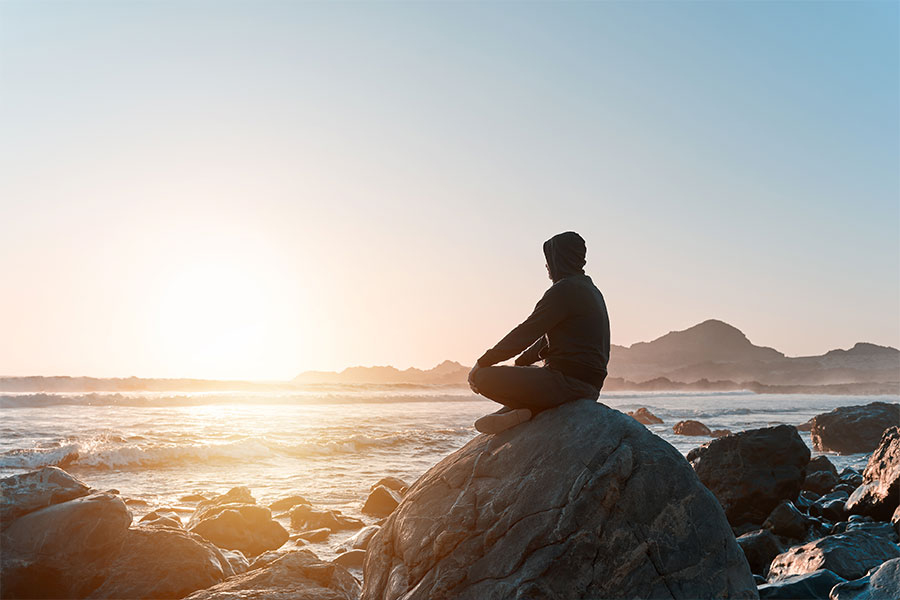
Therefore, mindfulness is best viewed as one of many possible tools, rather than a magic pill. It can complement other self-care practices and professional help, if needed. Researchers also emphasize that the quality of mindfulness studies varies. As a result, not all popular claims about the incredible benefits of mindfulness are backed by sufficient evidence.
Mindfulness and Concentration
Another important topic is attention. When a person constantly switches between dozens of tasks, it becomes harder to sustain attention on a single thing for long. Mindfulness practices involve bringing one’s attention back to a specific object. This could be one’s breath, a sound, a sensation in the body, or any other simple point of focus.

If, during an exercise, a person starts thinking about work, shopping, or an upcoming conversation, this doesn’t mean they’ve “failed” at meditation. On the contrary, the moment they notice the distraction and bring their attention back is part of the practice. Some scientific reviews have found small or moderate improvements in certain cognitive measures following mindfulness programs, particularly sustained attention and some aspects of executive function. But this doesn’t mean that a few minutes of meditation will automatically make a person super-focused.
How to Practice Mindfulness in Everyday Life
Mindfulness doesn’t require special equipment, expensive courses, or a specific place. You can start with just a few minutes. One of the simplest ways is to sit comfortably and focus on your breath. There’s no need to try to breathe in any particular way. Just notice your inhalations and exhalations, and when your thoughts wander, gently bring your attention back to your breath.

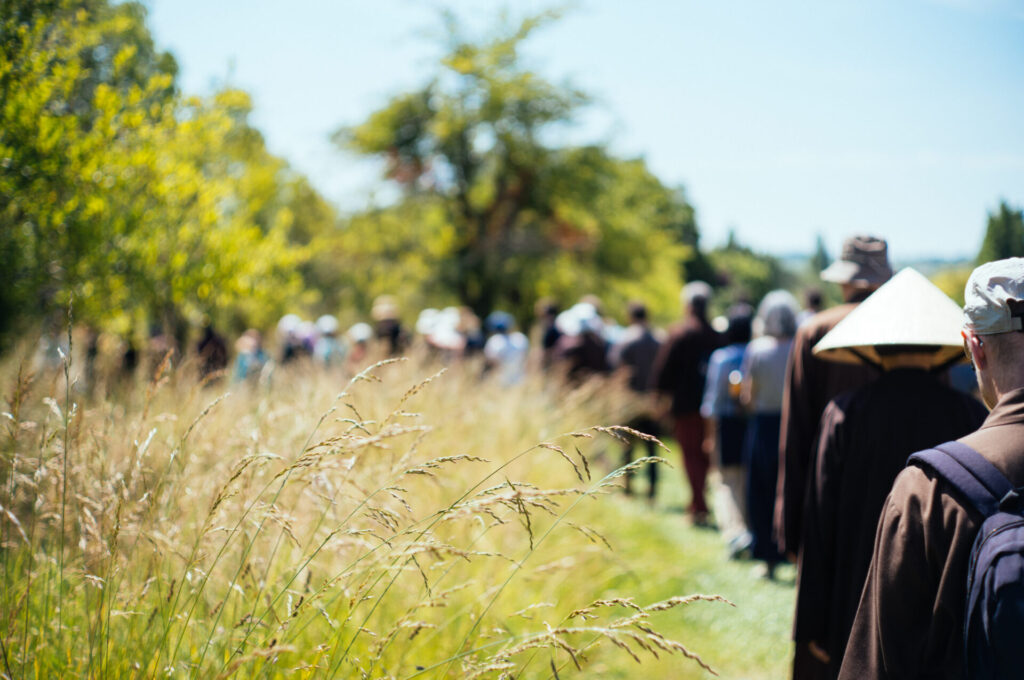
Another option is a mindful walk. During this walk, put your phone aside for a few minutes and pay attention to what you see, hear, and feel. You can notice the air temperature, the movement of your body, the sounds around you, the smells, and your own walking pace. You can also practice mindful eating. Instead of eating in front of the TV or while scrolling through your feed, pay attention to the taste, smell, temperature, and texture of your food. Even something as simple as washing the dishes can become a small practice. You don’t need to turn every action into a spiritual ritual. It’s enough to bring your attention back to what you’re doing right now—at least sometimes.
How to Celebrate International Mindfulness Day
You can spend September 12 without any big events or complicated plans. The point of this day is simply to slow down a bit and pay attention to how you’re feeling. You can devote a few minutes to a simple breathing exercise. To do this, simply sit in a quiet place, set a timer for 5–10 minutes, and observe your breath. If your attention keeps wandering, you can gently bring it back to your inhalation and exhalation. Another option is to take a walk without headphones or your phone. During the walk, you can pay attention to the sounds around you, the people, the trees, the buildings, the smells, and your own sensations.
You can also try spending a day without automatically switching between tasks. For example, when you’re talking to someone, don’t look at your phone at the same time. When you’re eating, don’t open social media. When you’re working, close any unnecessary tabs and notifications—even if just for a short while. Another simple practice is to reflect on a few moments from your day in the evening and ask yourself: “How did I feel today? What made me happy? What annoyed me? What did I barely notice?” This isn’t a test or a psychological exam. It’s simply a way to become more aware of your own day.
What traditions are associated with this day?
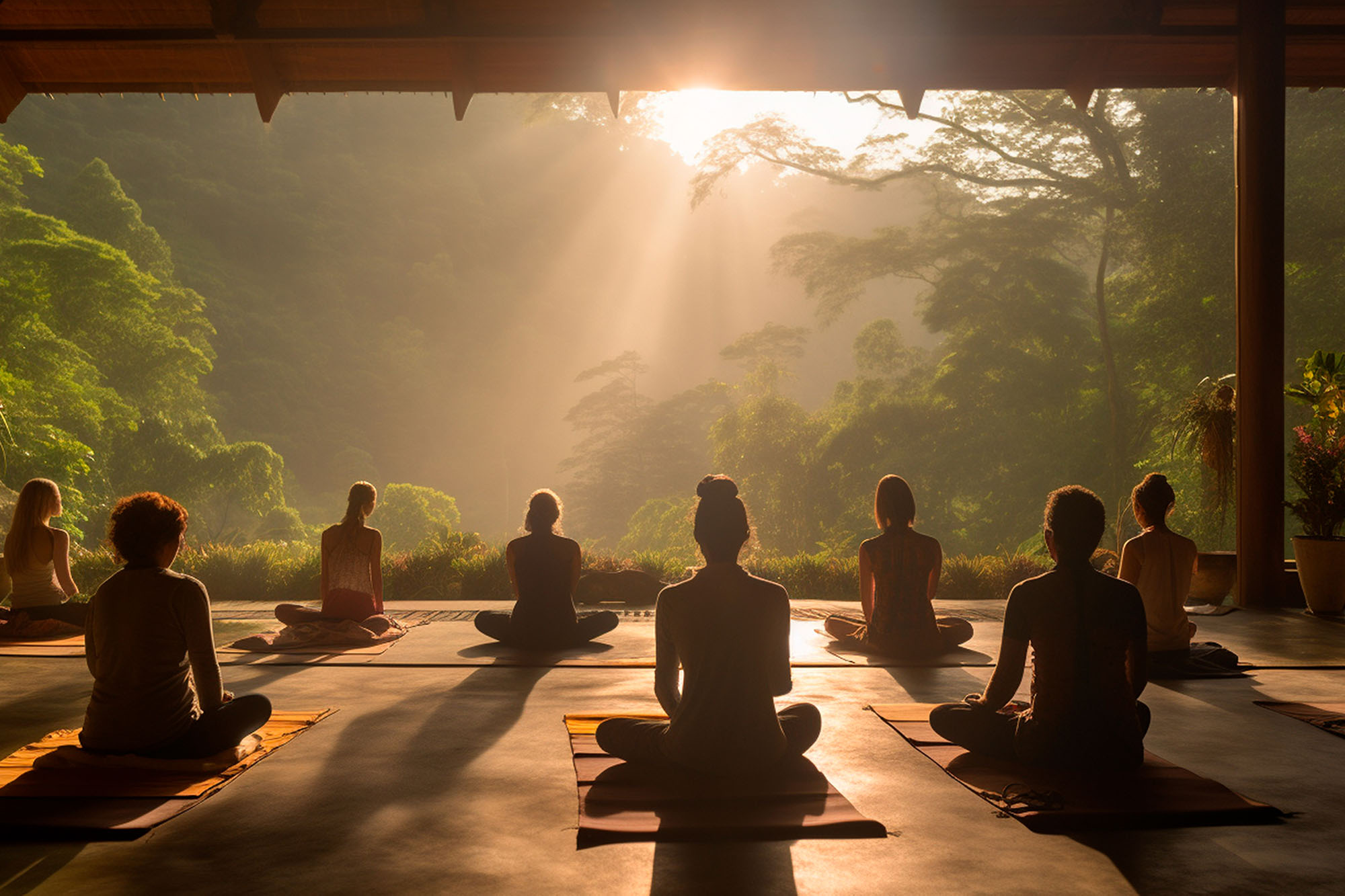
Since Mindfulness Day is not an official national or religious holiday, there is no single mandatory way to celebrate it. In different countries and communities, September 12 may feature open meditation sessions, lectures, hands-on workshops, meetings with mindfulness instructors, and online events. Organizers may also distribute free resources, audio practices, and tips for beginners. Some people use this day as an opportunity to try meditation for the first time. Others already have their own practice and simply devote a little more time to it.
The tradition of this day doesn’t require you to skip work, sit in silence all day, or perform any special rituals. There’s no set list of what you “can” and “can’t” do. The main idea is much simpler—to be more mindful of your own life. Sometimes, all it takes is to stop multitasking for at least a few minutes.
Interesting Facts About Mindfulness
Mindfulness Day was established in 2011. It was launched by Wisdom Publications, a publisher specializing in literature on Buddhist philosophy, meditation, and mindfulness.
Mindfulness has deep roots. Mindfulness practices are linked to various Eastern meditative traditions, which date back thousands of years. At the same time, modern mindfulness programs are often practiced in a secular setting, without a religious context.
Mindfulness does not mean “thinking about nothing.” It’s normal to have thoughts during practice. What’s more important is to notice when your attention has wandered and bring it back to the chosen object.
You can practice almost anywhere. You don’t necessarily need a special room, a mat, or background music. You can cultivate mindfulness while walking, eating, cleaning, working, or having a casual conversation.
Mindfulness is not a one-size-fits-all cure. Research shows potential benefits of mindfulness for stress, anxiety, and certain other conditions, but results depend on the specific program and the individual.
Meditation is becoming increasingly popular. According to the U.S. National Center for Complementary and Integrative Health, the percentage of American adults who have practiced meditation rose from 7.5% in 2002 to 17.3% in 2022.
Is Mindfulness Right for Everyone?
For most healthy people, meditation and mindfulness practices are considered relatively safe. But that doesn’t mean they’re completely risk-free. Scientific reviews have also documented negative experiences during meditation. Among the possible adverse reactions mentioned are anxiety and a worsening of mood. Therefore, you shouldn’t force yourself to continue the practice if it causes significant discomfort.
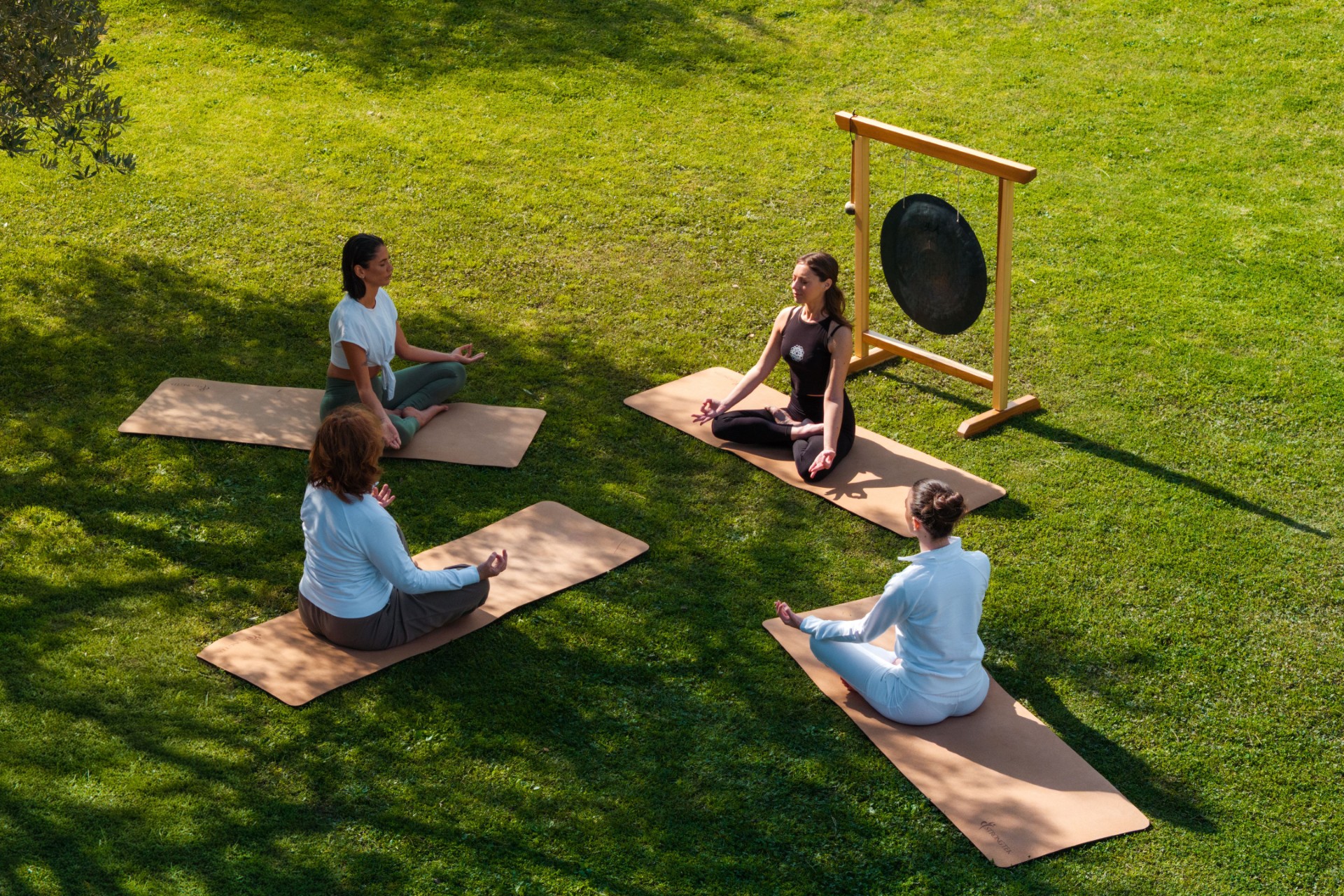
Also, mindfulness is not a substitute for seeing a doctor or psychotherapist if a person has serious health issues. Meditation can be a complementary tool, but it should not replace necessary treatment. To start, it’s best to choose short and simple exercises. There’s no need to try to meditate for an hour every day right away. The most important thing is not to treat mindfulness as just another item on your to-do list. If the practice becomes yet another source of stress because of thoughts like “I’m not meditating well enough,” it’s worth simplifying it.
Why Mindfulness Day Is Relevant Today
Today, a person can be physically in one place while mentally in ten other places at the same time. Messages, news, work tasks, and social media constantly demand our attention. Because of this, we often do many things on autopilot. We eat without tasting our food. We listen to the person we’re talking to while reading a message at the same time. We walk down the street and don’t even notice what the weather is like outside.

Mindfulness offers a very simple alternative—to return to the present moment from time to time. Not to lose touch with the past or the future, but simply to notice what’s happening right now. This is the main idea behind September 12. Mindfulness Day doesn’t call on everyone to live slowly or give up the modern pace of life. It simply reminds us that sometimes it’s helpful to pause, take a breath, and understand what you’re feeling right now.
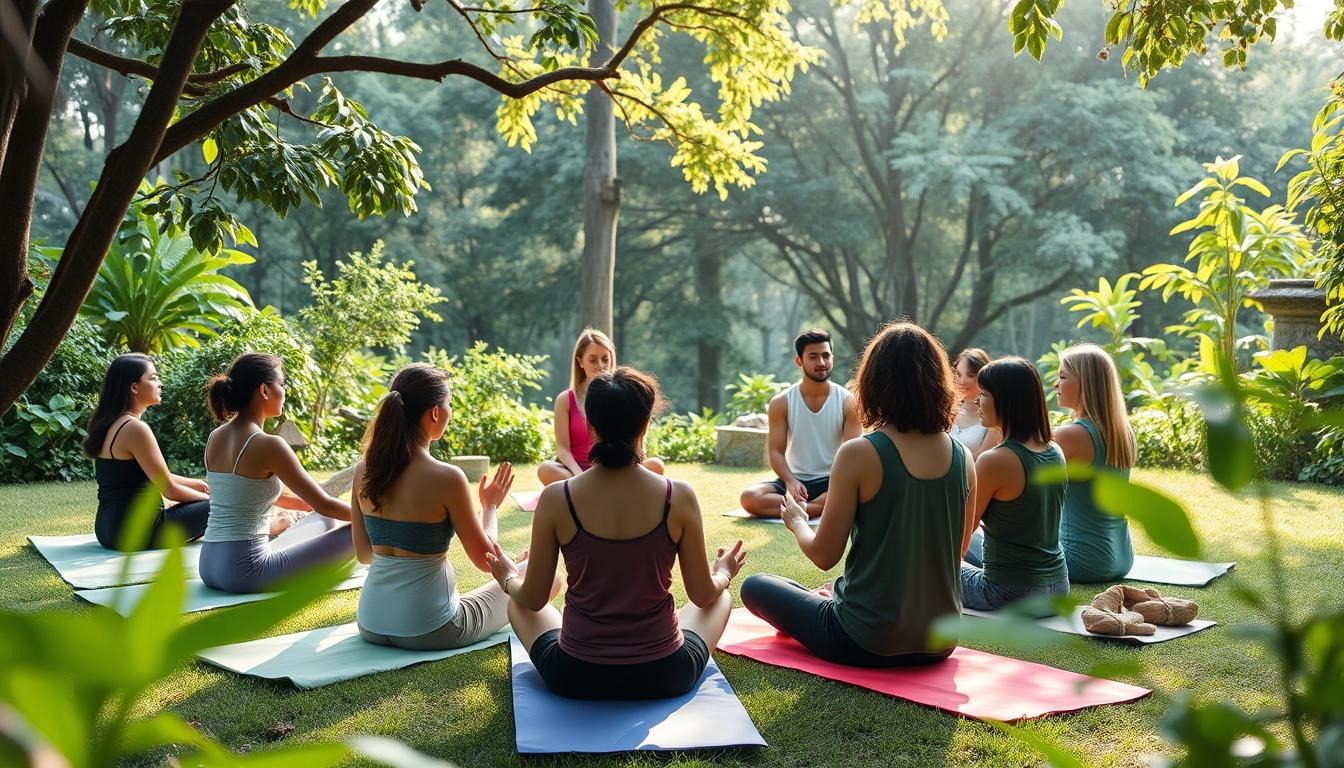
You can use September 12 as a little reminder to check in with yourself. Put your phone aside, take a few calm breaths, go for a leisurely walk, or simply savor your morning coffee mindfully—sometimes mindfulness begins with simple things like these.


