
Holiday on September 13, 2026 — The Eve of the Exaltation of the Holy Cross: What You Can and Cannot Do
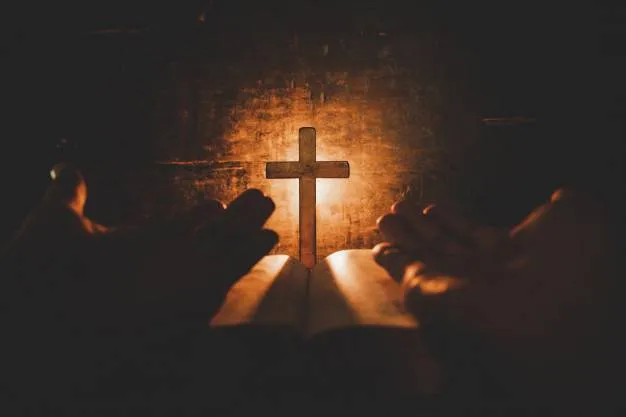
On September 13, 2026, Christians of the Eastern tradition celebrate the Eve of the Exaltation of the Holy and Life-Giving Cross of the Lord. This is a special day on the eve of a major feast, which prepares the faithful for prayer, reflection, and veneration of the Cross as the primary symbol of the Christian faith. On September 14, the OCU and the UGCC will celebrate the Exaltation of the Holy Cross, and September 13 is designated in the church calendar as a day of preparation for this feast.
The eve of the Exaltation of the Precious and Life-Giving Cross of the Lord falls on September 13. In 2026, this will be a Sunday. The following day, September 14, Orthodox and Greek Catholics in Ukraine will celebrate the Exaltation of the Holy Cross. The OCU designates September 14 as the day of the Exaltation of the Holy Cross in its 2026 calendar.
The pre-feast period is not a separate holiday on the same scale as the Exaltation. This is how the Church refers to the day or several days preceding a major feast, when the divine services gradually shift to focus on its theme. During this time, special prayers and hymns are sung in the church to prepare the faithful for the main event of the following day. For September 13, the focus is on the Honorable and Life-Giving Cross of the Lord. Interestingly, in the modern calendar of the OCU, the Pre-Feast period falls precisely on September 13, although the structure of this festive cycle varied in different historical periods. In ancient church tradition, preparations for the Exaltation of the Cross could last longer. In modern Orthodox practice, September 13 is the day immediately preceding the great feast on September 14.
What Does “Pre-Feast” Mean?
The word “pre-feast” is essentially self-explanatory. It is the time leading up to a major church feast, when believers begin to focus on its meaning. It is not simply a matter of waiting for a specific date on the calendar, but of inner preparation for prayer and reflection on the event. In the case of the Exaltation, this preparation is connected with the Cross of Jesus Christ. For Christians, it is not merely a religious symbol or ornament. The Cross serves as a reminder of Christ’s crucifixion, His death and resurrection, and the Christian understanding of life’s victory over death.
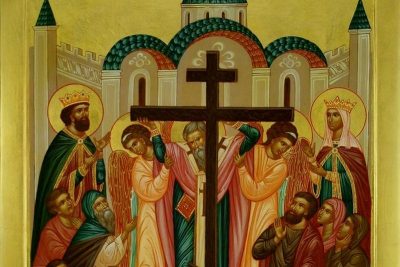
That is why, on September 13, hymns dedicated to the Cross are already being sung in the church. The church calendar includes a separate troparion for the Eve of the Exaltation on this day. In it, the Cross is called “Life-Giving,” and the prayer itself is addressed to God with a plea for the salvation of humanity. This clearly conveys the central theme of the day. The vigil is not so much about a grand celebration as it is about pausing to reflect on why the Church devotes special attention to the Cross the following day. For a believer, this is a time of prayer, silence, and spiritual preparation.
How the Feast of the Exaltation of the Holy Cross Came to Be
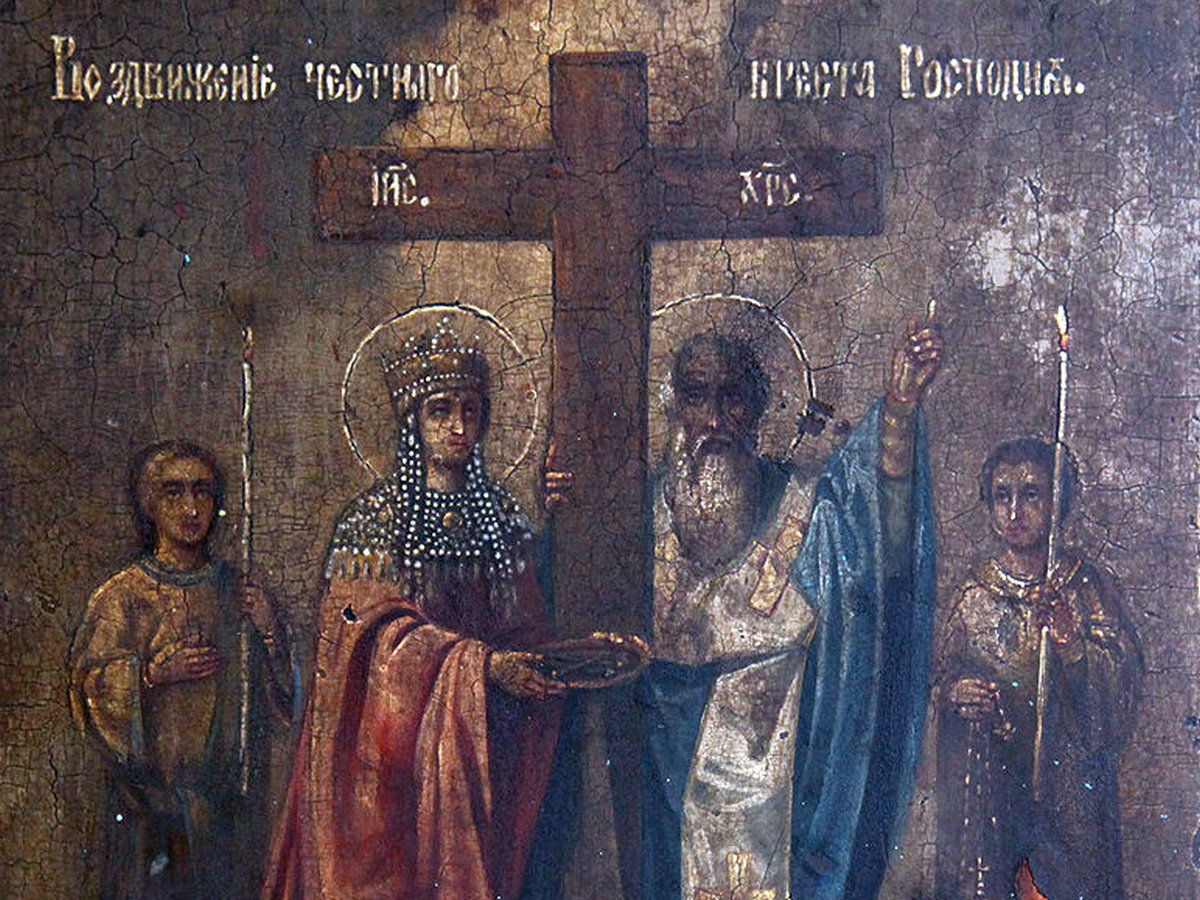
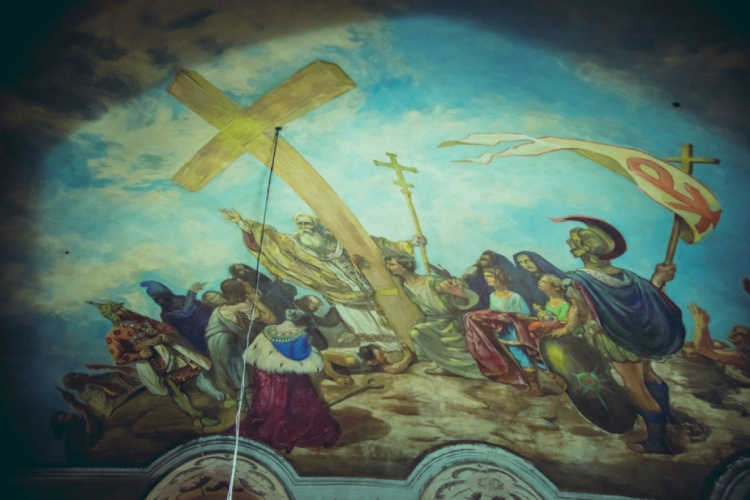
The history of the Exaltation of the Holy Cross dates back to the early centuries of Christianity. According to church tradition, after Christ’s crucifixion, the Cross was lost. After the destruction of Jerusalem by the Romans in the year 70, the holy sites gradually fell into disrepair, and pagan structures were erected on some of them. The discovery of the Cross is associated with Saint Helena, the mother of Emperor Constantine the Great. According to church tradition, she traveled to Jerusalem to find the holy sites associated with the earthly life of Jesus Christ. During the excavations, the story goes, three crosses were found. This is why it became necessary to determine which of them was the Cross of the Savior.
There is a well-known legend according to which a miracle involving a seriously ill woman helped provide the answer. When the found crosses were placed on her one by one, she was healed upon contact with one of them. It was this cross that was recognized as the Life-Giving Tree. At the same time, modern historians emphasize that many details of this story stem from church tradition and cannot be confirmed as accurate historical facts. Following this, construction began in Jerusalem on a large church complex at the site associated with Christ’s crucifixion and resurrection. The Church of the Holy Sepulcher was consecrated on September 13, 335. And the very next day, September 14, the feast of the Exaltation of the Holy and Life-Giving Cross was established.
Why is the Exaltation of the Cross celebrated on September 14?
The date of September 14 is linked to the ancient history of Jerusalem and the Church of the Holy Sepulcher. On September 13, 335, the church, built near Golgotha and the Holy Sepulcher, was consecrated. The following day, the Cross—which Christians believed to be the very same holy relic on which Jesus was crucified—was solemnly displayed before the people. It is from this ritual that the name “Exaltation” derives. It refers to the solemn raising of the Cross so that all those present could see and venerate it. Over time, this rite became an important part of the feast’s liturgy.
Initially, the main event in Jerusalem was the consecration of the temple. The Exaltation of the Cross was linked to this celebration and, in fact, complemented it. But gradually, the commemoration of the Cross itself took center stage. As early as the 6th century, the Exaltation gained increasing significance and eventually became one of the major feasts of the liturgical year. Interestingly, in ancient times, the celebration in Jerusalem lasted several days. Pilgrims arrived from various regions, and churches were decorated just as solemnly as for major feasts. According to the account of the pilgrim Etheria, the divine services and festive events lasted eight days.
What Does the Cross Mean to Christians?
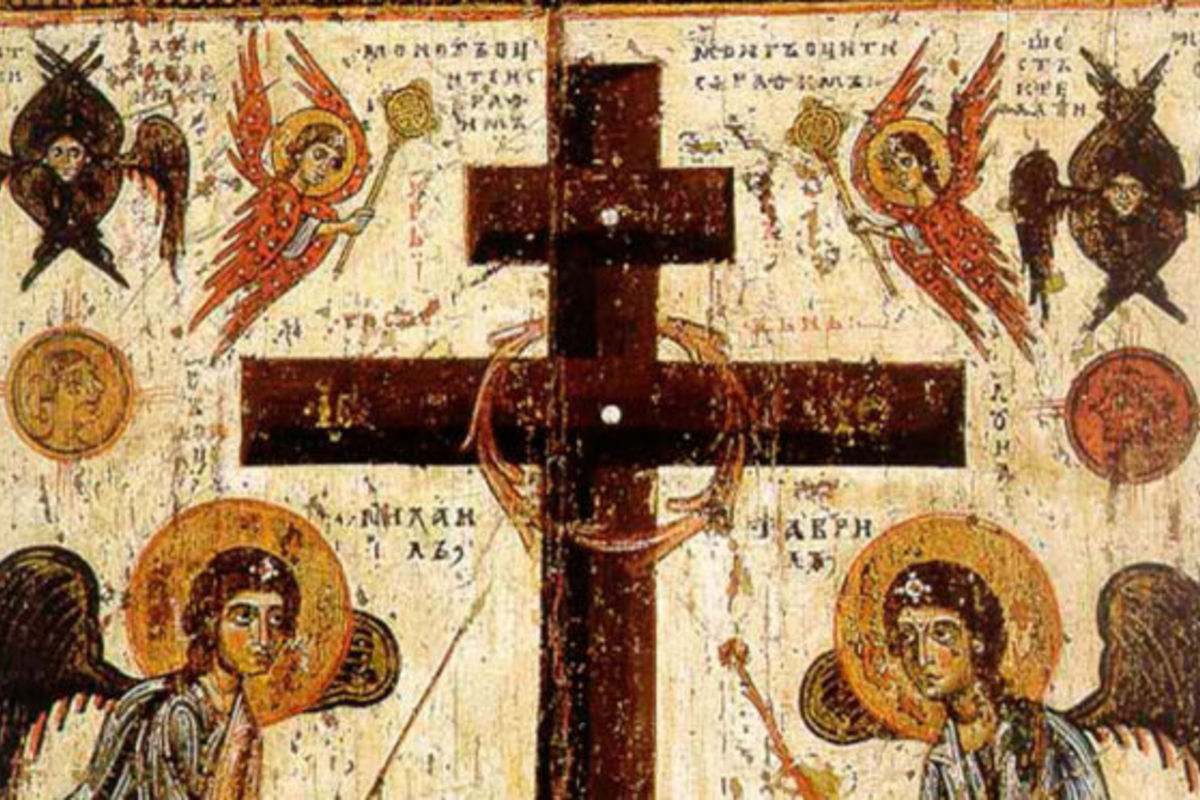
For Christians, the Cross is the central symbol of faith. It serves as a reminder of the suffering and death of Jesus Christ, but is also linked to His resurrection. That is why, in Christian tradition, the Cross is perceived not only as a sign of death, but also as a symbol of victory over death. On the Feast of the Exaltation of the Cross, the Church places special emphasis on this connection. Christian tradition does not hide the dramatic aspect of the event—the Cross was an instrument of execution. But through Christ’s Resurrection, it took on an entirely different meaning. That is why, in worship, the Cross is called the Life-Giving Cross.
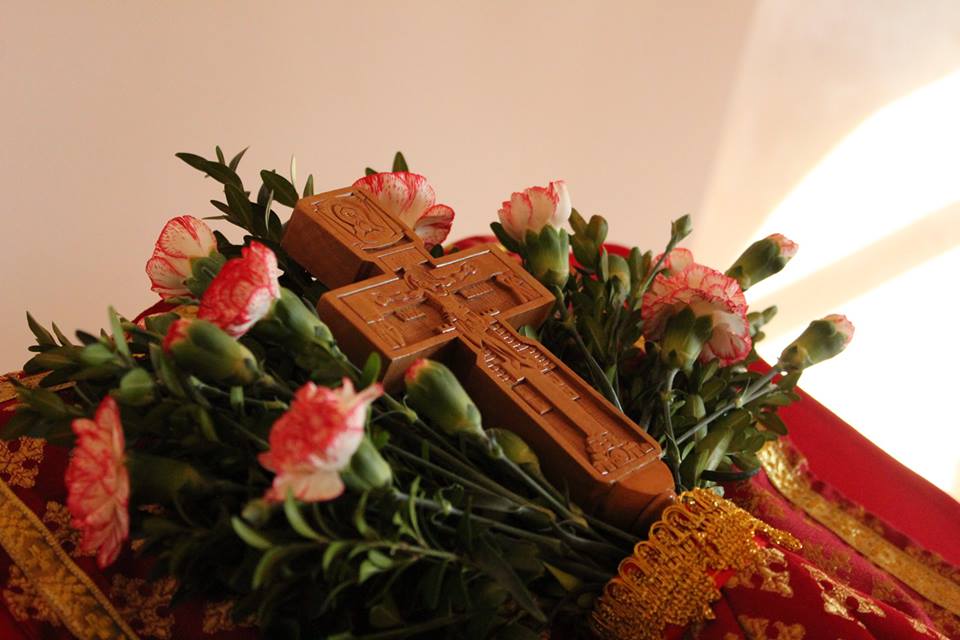
The Ukrainian Greek Catholic Church also emphasizes that the Cross should not be viewed merely as a decorative symbol or ornament. In Church teachings, it is called a symbol of God’s love, and the bishops remind us that through the Cross, Christians come to understand suffering, sacrifice, and hope. This idea is well conveyed by Bishop Petro Stasyuk’s statement: “The Cross of Jesus is more than a symbol.” For believers, it is a reminder of God’s love for humanity and of the fact that even after the most severe trials, life can triumph.

That is precisely why the pre-holiday period is a good time to reflect not only on the history of the shrine. For many people, it is an opportunity to reexamine their own difficulties, ask for forgiveness, pray for loved ones, and find the strength to get through a difficult time.
How the Pre-Feast Period Is Observed in the Church
On September 13, churches are already holding services related to the upcoming feast. In the church calendar, this day is specifically designated as the Eve of the Exaltation of the Holy and Life-Giving Cross of the Lord. Special hymns help mark the transition from a regular day of worship to the festive cycle. On this day, believers can attend the service, pray, and prepare for the feast. Some see this time as an opportunity to spend time in silence, while others pray for their family, health, and peace. What is particularly important is not the outward solemnity, but a person’s inner state of mind.
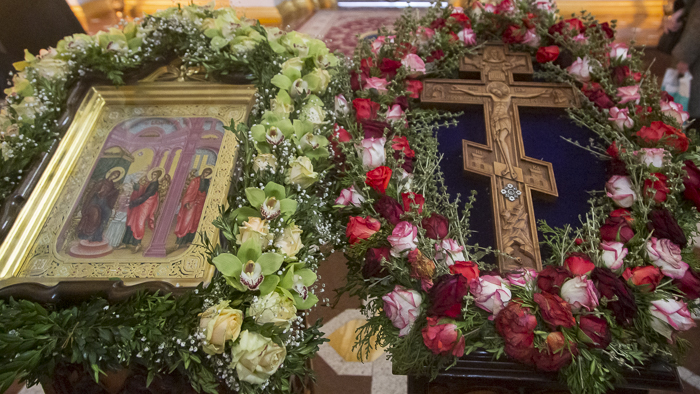
On the eve of major church holidays, it is traditionally advised not to turn the day into a mere feast. The main focus should remain on prayer and the meaning of the holiday. Therefore, September 13 can be spent more peacefully, without unnecessary hustle and bustle. Many churches also hold evening services on September 13, followed the next day by the festive service for the Exaltation of the Holy Cross. The specific schedule depends on the parish, so it’s best to check the service times directly at your church.
Is fasting required on September 13?
Here it is important to distinguish between the Pre-Feast and the Feast of the Exaltation itself. The OCU designates September 14 as a one-day fast, meaning that the feast day itself is a day of fasting. This is explicitly stated in the decision of the Holy Synod of the OCU from July 2026. September 13 is not the same one-day fast established for the Exaltation of the Cross. Therefore, one should not automatically apply the fasting rules for September 14 to the pre-feast period. At the same time, a person may voluntarily restrict their food or entertainment if this helps them prepare for the feast.
In this case, church fasting has more than just a dietary meaning. It is associated with prayer, self-restraint, and mindfulness of one’s own actions. In other words, it is important not simply to abstain from certain foods, but to try to spend the day more peacefully and with greater consideration for others. If a person has special circumstances, it’s best to discuss the matter of fasting with a priest. Church practice may allow for certain exceptions for children, the elderly, pregnant women, the sick, or those who are physically unable to observe strict restrictions.
Folk Traditions and Superstitions
There are many folk traditions associated with the Exaltation of the Cross in various regions of Ukraine. Some of them developed after the church holiday was established and became intertwined with ancient beliefs about autumn, changing weather, and preparations for winter. In the folk calendar, the Exaltation was often seen as a time of transition from the warm season to the colder one. People would finish some of their fieldwork, stock up on supplies, and keep a close eye on the weather. It was believed that after this date, autumn would increasingly assert itself.
However, it is important to distinguish between church teachings and folk omens. The Church does not require belief in omens concerning the weather, animals, or the coming harvest. Therefore, such customs are best viewed as part of Ukrainian cultural tradition rather than as mandatory religious rules. On the eve of the Exaltation of the Cross, it was also customary to pay more attention to keeping the house tidy, preparing for the fall season, and praying. People tried to welcome this major holiday without quarrels or unnecessary fuss. This tradition aligns well with the general idea of the pre-holiday period—to first put not only the home but also one’s own thoughts in order.
What to Do and What Not to Do on September 13
It’s best to spend the pre-holiday period calmly and without unnecessary haste. If possible, you can visit a church, pray, light a candle, and spend time with your family. It’s also appropriate to do a good deed or help someone in need. There is no list of everyday prohibitions that would require a person to completely stop their normal life on September 13. There’s no need to be afraid to do laundry, clean, work, or take care of necessary household chores. The main thing is not to turn a religious holiday into a set of superstitions.
It’s worth paying special attention to your own behavior. Before a major holiday, it’s best to avoid arguments, insults, confrontations, and deliberate conflict with loved ones. If there’s an opportunity to make peace with someone or ask for forgiveness, the days leading up to the holiday can be a good time to do so. Also, don’t treat a church holiday as an excuse for superstitions. For example, the claim that a specific household chore will inevitably bring misfortune is not a church rule. The meaning of the day is much simpler—to prepare for the Exaltation of the Cross and focus on the spiritual significance of the holiday.
Interesting Facts About the Eve of the Exaltation of the Cross
September 13 is the day before the Exaltation. In 2026, the Eve of the Exaltation falls on Sunday, while the Exaltation of the Holy Cross itself falls on Monday, September 14.
The Exaltation is associated with Jerusalem. According to church tradition, the great church on the site of Golgotha and the Holy Sepulcher was consecrated on September 13, 335. The following day, a solemn veneration of the Cross took place.
Initially, the main focus was not the Exaltation but the consecration of the church. In the early centuries, the feast was associated with the restoration of the church complex in Jerusalem. Gradually, the veneration of the Cross itself became the central part of the celebration.
The search for the Cross is associated with Saint Helena. According to church tradition, the mother of Emperor Constantine the Great took part in the search for holy relics in Jerusalem. The historical details of this story remain a matter of debate, and some of the information comes from a later tradition.
In ancient times, the feast was more extensive and lasted longer. According to the account of the pilgrim Etheria, the celebrations in Jerusalem lasted eight days and drew large crowds.
The Exaltation of the Cross is a day of fasting. The OCU classifies September 14 as a one-day fast. Therefore, on the eve of the feast, believers can prepare for it through prayer and spiritual reflection.
How to Observe the Pre-Feast Period in 2026
You can start September 13 with something simple—finding a little time away from your phone, without rushing, and without unnecessary noise. If you are a believer, you can attend a church service or say a prayer at home. For many, this kind of quiet preparation better conveys the meaning of the pre-holiday period than a lavish feast. You can also talk with your family, set aside any conflicts, or be the first to take a step toward reconciliation. A good tradition is to help someone who needs support. It can be something very simple—from helping an elderly person to supporting a loved one going through a difficult time.

It’s worth remembering that the pre-holiday period shouldn’t turn into a day of fear of “prohibitions.” Its meaning isn’t about looking for omens or being afraid of doing something wrong. It is far more important to understand what the Cross means to Christians and why the Church returns to this story every year. September 13 is a day of quiet preparation for one of the most important Christian feasts. The period leading up to the Exaltation of the Cross reminds us of the story of the Cross, which for Christians has become a symbol not only of suffering but also of hope, love, and the victory of life over death. And on September 14, believers will celebrate the Exaltation of the Precious and Life-Giving Cross of the Lord.


