
Holiday on August 15, 2026 — Nile Flood Day: How the River Sustained an Entire Civilization

On August 15, Egyptians commemorate an ancient tradition without which life in the country would once have been unimaginable—the annual flooding of the Nile. The festival is known as Wafaa El-Nil and is linked to the millennia-old history of the river, which provided people with water, fertile land, and crops. Today, it is no longer the anticipation of a natural flood, as it was in the time of the pharaohs, but a cultural tradition that serves as a reminder of just how profoundly the Nile has influenced Egypt’s history and development.
The Day of the Nile Flood is celebrated in Egypt in August, traditionally in the second half of the month. In contemporary materials from the Egyptian government, the holiday is described as one of the oldest festive rituals in the country’s history. Its origins are linked to the natural cycle of the Nile: in the summer, the river’s water level would rise, overflow its banks, and flood the surrounding lands. Along with the water, fertile silt would reach the fields, helping to grow crops. That is why, for the ancient Egyptians, the flood was not merely a natural phenomenon, but an event on which their very lives literally depended.

For modern Egypt, this date holds primarily historical and cultural significance. The country’s Ministry of Culture organizes cultural and artistic events leading up to the Day of the Nile Flood, dedicated to the river and its role in shaping Egyptian civilization. In 2025, these events were held under the slogan “The Nile… has a lot to offer.”

It is important to note that the natural seasonal flooding experienced by ancient farmers no longer occurs in Egypt today. Its nature changed following the construction of major hydraulic structures, particularly the Aswan High Dam. Therefore, today, the Day of the Nile Flood is more of a reminder of a time when the rising waters dictated the rhythm of life for the entire country.
How the Holiday Came to Be
The history of the holiday dates back to the time of Ancient Egypt, when the Nile was the foundation of the state’s existence. Egyptian civilization developed along the river, and agriculture depended on its water. The annual flood brought water and silt to the fields, which replenished the soil’s fertility. That is why the rising of the Nile was seen as a good omen and an important event of the year. In ancient Egyptian culture, the flood was associated with the cult of Hapi—the deity of the Nile and fertility. The Egyptians held celebrations, sang, prayed, and asked for an ample supply of water. Images and inscriptions remain on the walls of temples, tombs, and other monuments, showing just how important this natural cycle was.
For the people, the logic was very simple: a high but not destructive flood meant a good harvest, while an excessively low water level could lead to drought and famine. Therefore, the level of the Nile was closely monitored, and knowledge of the river became an important part of the state’s life. The Egyptians even divided the year into three seasons linked to the Nile and agriculture. One of these—Ahet—was the flood season, when water covered the fields. This was followed by a period when the land once again became suitable for growing crops, and then came the harvest season.
Why the Nile Was So Important
Without the Nile, Egypt would look completely different. The river flows through a vast area of the country, where desert landscapes predominate. It was the Nile’s water that allowed large settlements to form and agriculture to flourish. The annual flood did more than just provide water. It brought large amounts of fertile silt that remained after the waters receded. According to Egyptian authorities, the Nile still carries about 110 million metric tons of sediment each year, mostly from the Ethiopian Highlands. In ancient times, this natural process was of immense importance for the fertility of the land.
The Nile’s influence extended beyond agriculture. People and cargo were transported along the river, and its water was essential for daily life. It also facilitated the transport of stone and other materials for large-scale construction projects. That is why the Nile became an integral part of the religion, mythology, and culture of Ancient Egypt. For the people, it was not just a river, but a source of life upon which the country’s future depended.
How the Nile Flood Was Celebrated in Ancient Times
In Ancient Egypt, the start of the flood was greeted with great joy. People held celebrations, gathered by the river, sang, and performed various rituals. Prayers and offerings to Hapi—a deity associated with the Nile and fertility—played an important role. The celebrations could be very large-scale. Boats appeared on the river, people held festivities, and solemn ceremonies were conducted. The tradition was linked not only to religion but also to the hope for a good harvest and prosperity in the coming year.
Ancient sources and depictions show just how important the Nile was to society. The Egyptians monitored the water level and tried to predict the extent of the flood. The country’s harvest, food supplies, and economic life depended on it. The water itself was also of particular importance. If there wasn’t enough of it, the fields could remain dry. If the flood was too severe, it could destroy homes and crops. Therefore, for the Egyptians, the ideal level of the Nile was literally a matter of life and death.
How the Nile’s Level Was Determined
Interestingly, Egypt had special structures for measuring water levels—nilometers. One of the most famous has been preserved on the island of Roda in Cairo. It was built in 861 by order of the Abbasid caliph al-Mutawakkil. The nilometer made it possible to determine quite accurately how high the water had risen. This was important not only for forecasting harvests. The level of the Nile also influenced economic decisions, particularly the setting of taxes.

If the water did not rise enough, it could mean problems for agriculture. If, on the other hand, the level was too high, there was a threat of a devastating flood. Therefore, monitoring the Nile became an important part of government administration. In fact, the ancient Egyptians spent years accumulating knowledge about the river’s behavior. They observed nature, studied water levels, and built systems of canals, dams, and reservoirs to make better use of its resources.
What Has Changed Since the Construction of the Aswan Dam
In modern Egypt, the natural flooding of the Nile no longer shapes the country’s life the way it did thousands of years ago. The construction of the Aswan High Dam played a key role in this, as it allowed for the control of water flow and created a massive reservoir—Lake Nasser.
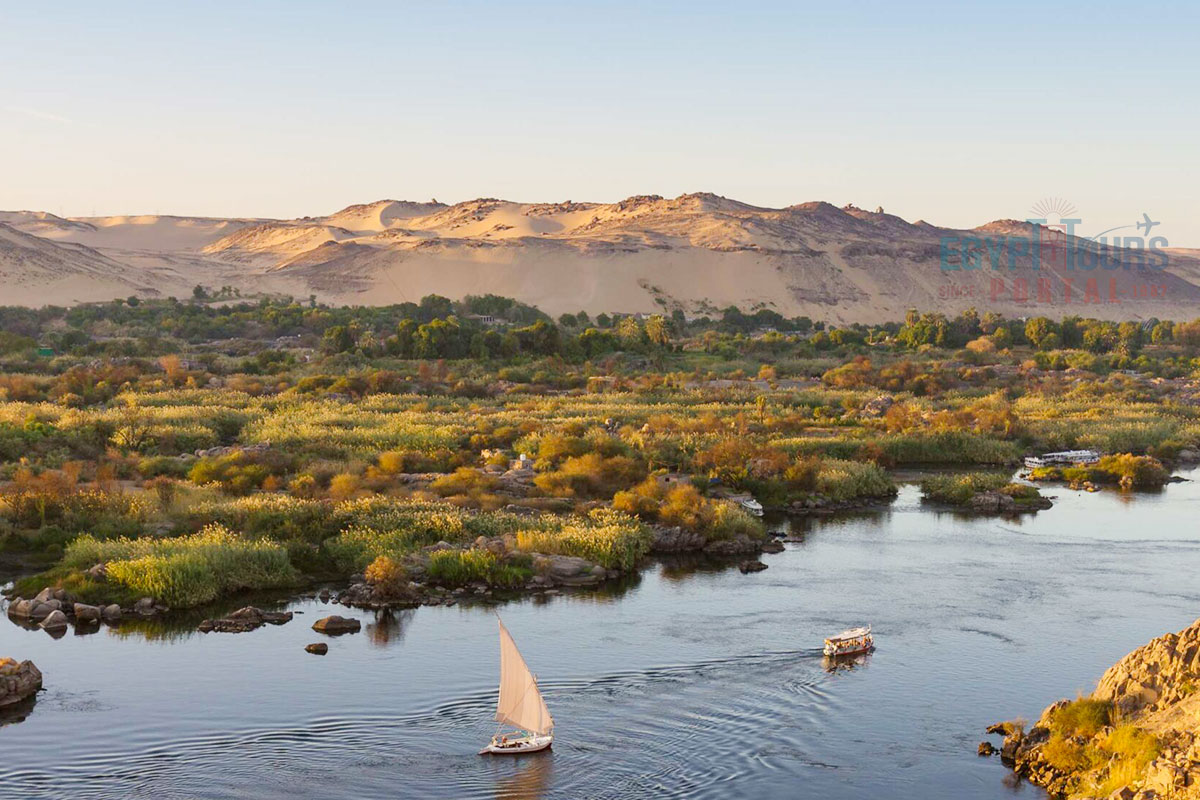
The dam has helped Egypt significantly better manage flood risks and store water for periods when it is in short supply. Egyptian authorities note that thanks to the water reserves behind the Aswan Dam, the country has been better protected from the effects of periods of low Nile flooding. But along with this, the very nature of the traditional holiday has also changed. People no longer wait for the annual natural flooding to predict the harvest. Now, the Day of the Nile Flood is primarily a cultural event, serving as a reminder of the Egyptians’ ancient connection to the river.
How the Nile Flood Day Is Celebrated Today
Modern celebrations surrounding the holiday resemble a cultural festival more than an ancient religious ritual. They may include concerts, artistic programs, exhibitions, educational activities, and events dedicated to the history of the Nile. The Egyptian Ministry of Culture uses this date to highlight the river’s role in history and the formation of national identity.
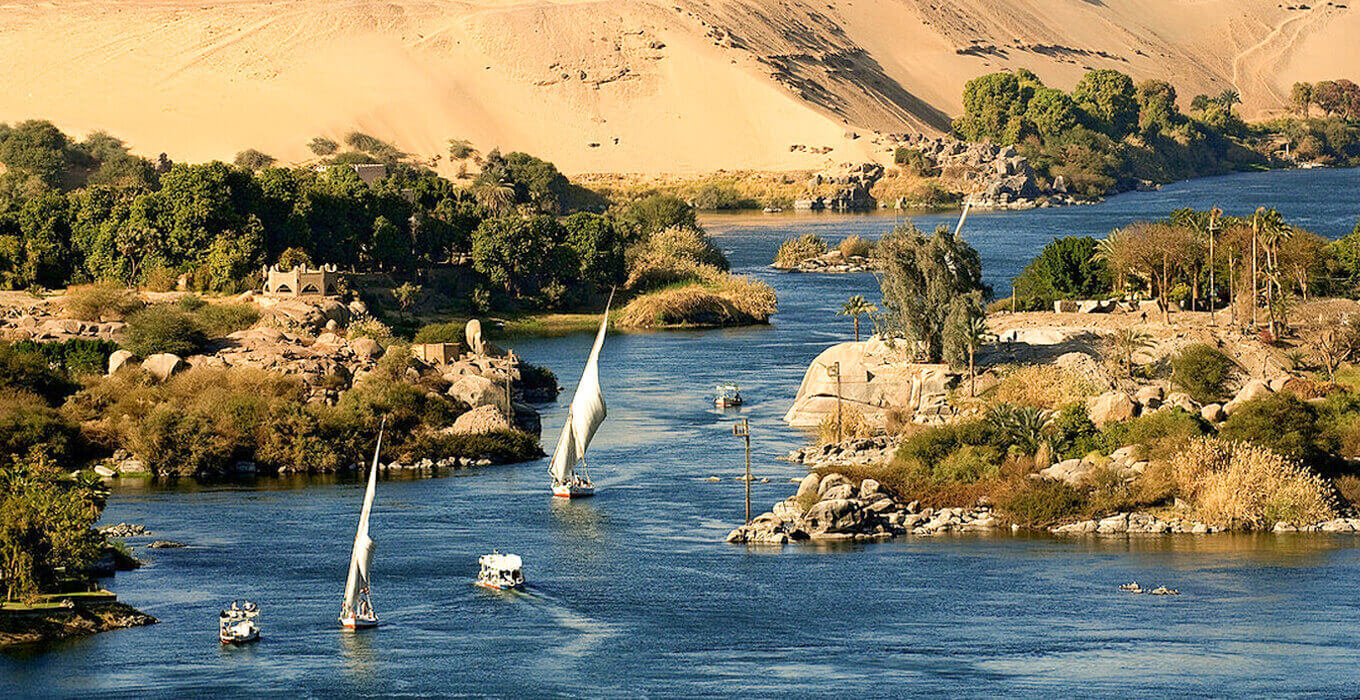
The river itself remains the focus. Organizers discuss not only the past but also the Nile’s contemporary significance for Egypt. After all, the river remains a key source of water today and is of immense importance to the country’s agriculture and economy. The holiday also provides an opportunity to reflect on the ancient traditions that have developed around the Nile over the millennia. In this sense, the Day of the Nile Flood serves as a unique bridge between Ancient Egypt and the modern nation.
Interesting Facts About the Nile Flood Festival
- The Nile was so important to the ancient Egyptians that its flooding became part of religious rituals. People believed that the river’s waters determined the future harvest and the country’s prosperity.
- They monitored the Nile’s flooding using special nilometers. One of the most famous ones can still be seen on Roda Island in Cairo.
- The Nile carries a huge amount of fertile silt. According to Egyptian authorities, this amounts to approximately 110 million metric tons per year.
- The ancient Egyptians divided the year into three seasons, the first of which was Akhet—the season of the Nile flood.
- After the construction of the Aswan High Dam, the natural course of the flood changed. Now, the water level is largely controlled by hydraulic structures.
- The Day of the Nile Flood remains part of Egypt’s modern cultural calendar. In August, artistic and cultural events dedicated to the river’s history are held to mark the occasion.
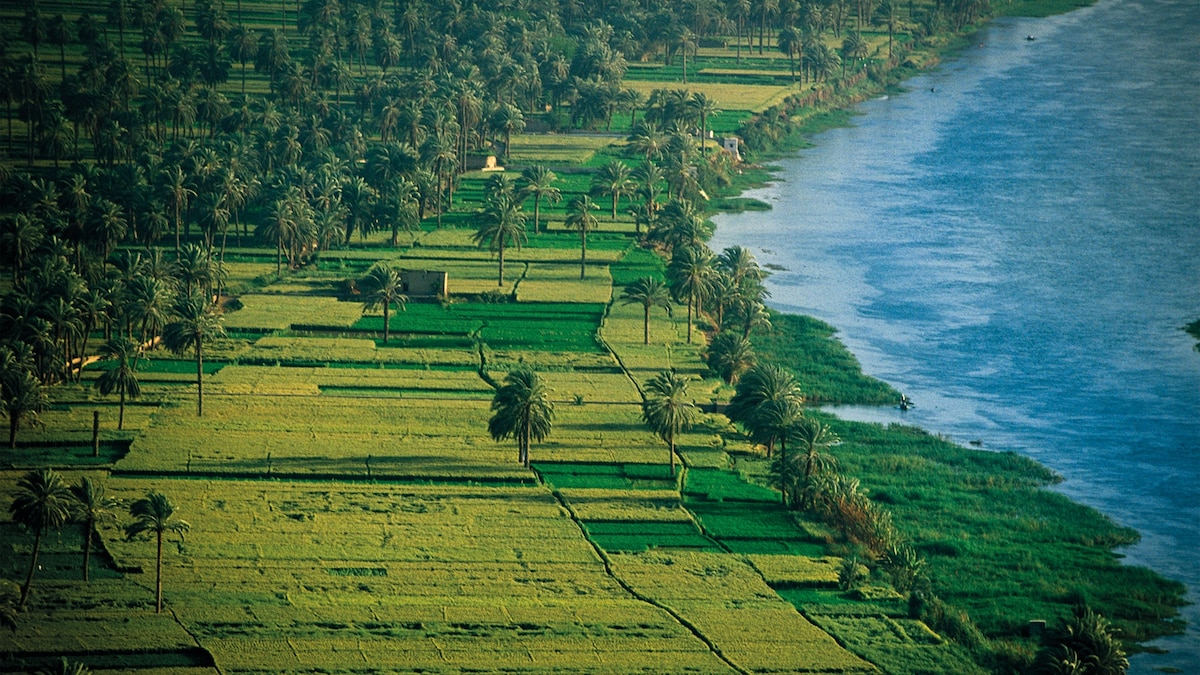
Thus, August 15 is not just a date commemorating a natural phenomenon. It is a day that serves as a reminder of the river around which one of the world’s most famous civilizations arose. Once upon a time, harvests, food supplies, and people’s well-being depended on the Nile’s flooding; today, this tradition has become an important part of Egypt’s cultural memory.


