
September 15, 2026 — International Day of Democracy: History and Core Principles
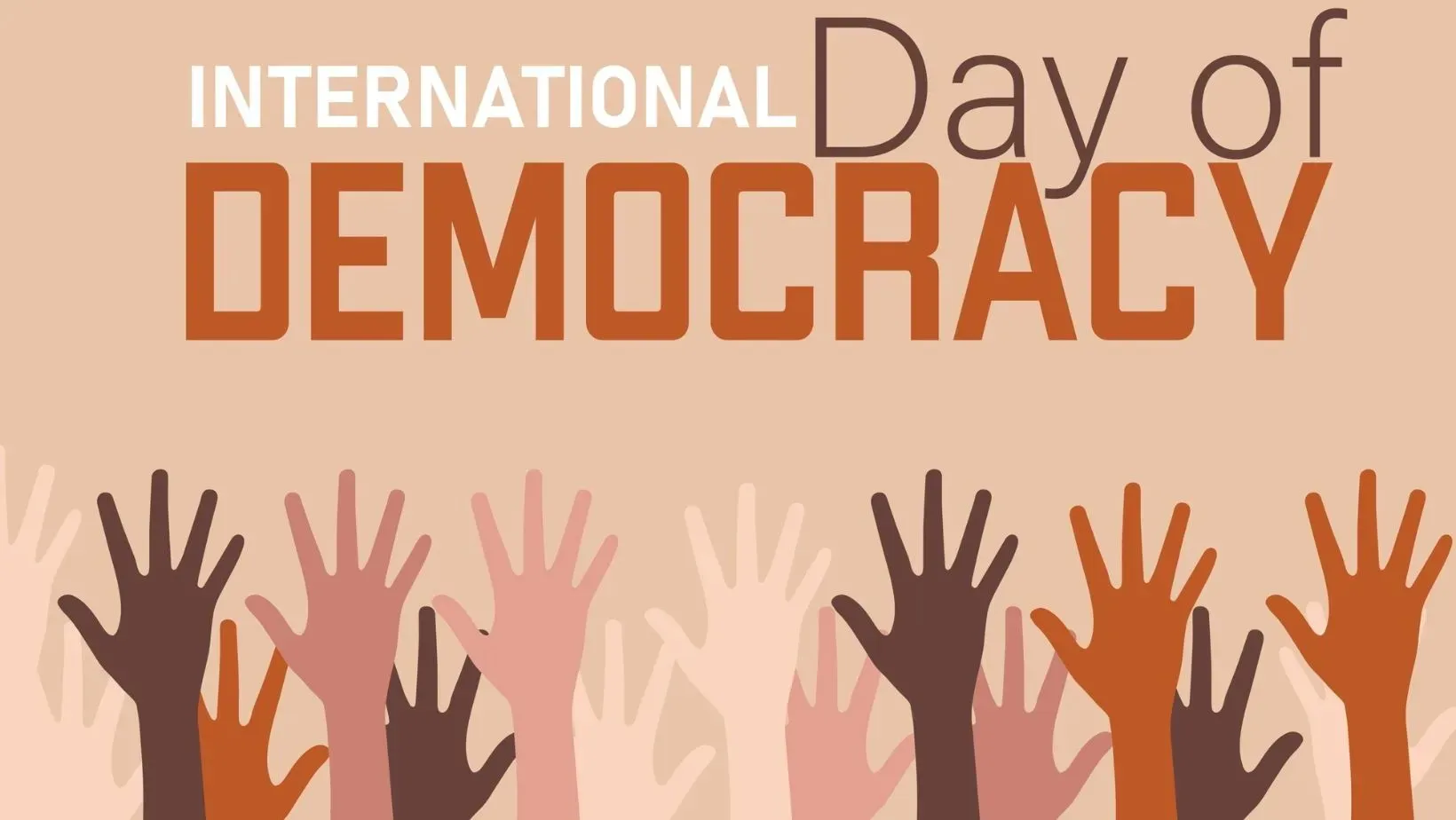
September 15 is observed worldwide as International Day of Democracy. This observance was established by the UN General Assembly in 2007 to draw attention to democracy, human rights, and people’s participation in the life of their countries. In 2026, the UN is placing special emphasis on the fact that democracy is not just about elections, but also about the daily opportunity for people to influence the decisions that shape their lives.
International Day of Democracy is observed annually on September 15. In 2026, this date falls on a Tuesday. This observance is not limited to politicians, parliaments, or government institutions. Its purpose is to remind us of the role every individual plays in a democratic society. It is about the ability to express one’s own opinion, participate in public life, elect government representatives, and hold them accountable.
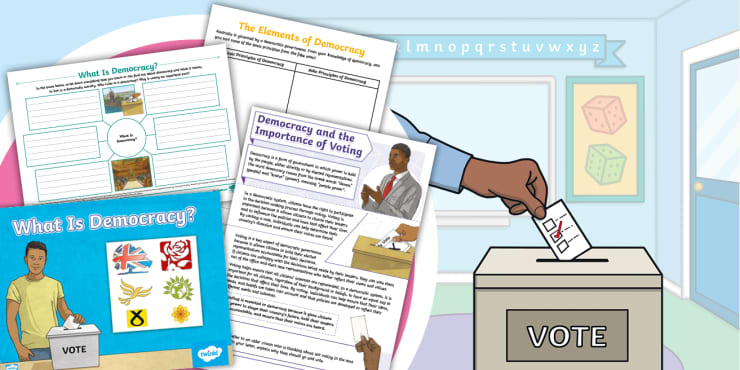
The UN views democracy as a process that requires constant participation and attention. It is not a system that can be established once and then left to run on its own. Democratic institutions require transparency, public oversight, and respect for human rights.
How Democracy Day Came to Be
International Democracy Day was established at the initiative of the Inter-Parliamentary Union, an international organization that brings together the parliaments of various countries. The UN General Assembly adopted a resolution to this effect on November 8, 2007. The document was designated A/RES/62/7. The UN decided to observe this day on September 15. The date was chosen to mark the 20th anniversary of the first International Conference of New or Restored Democracies, which served as an important international platform for discussing democratic development.
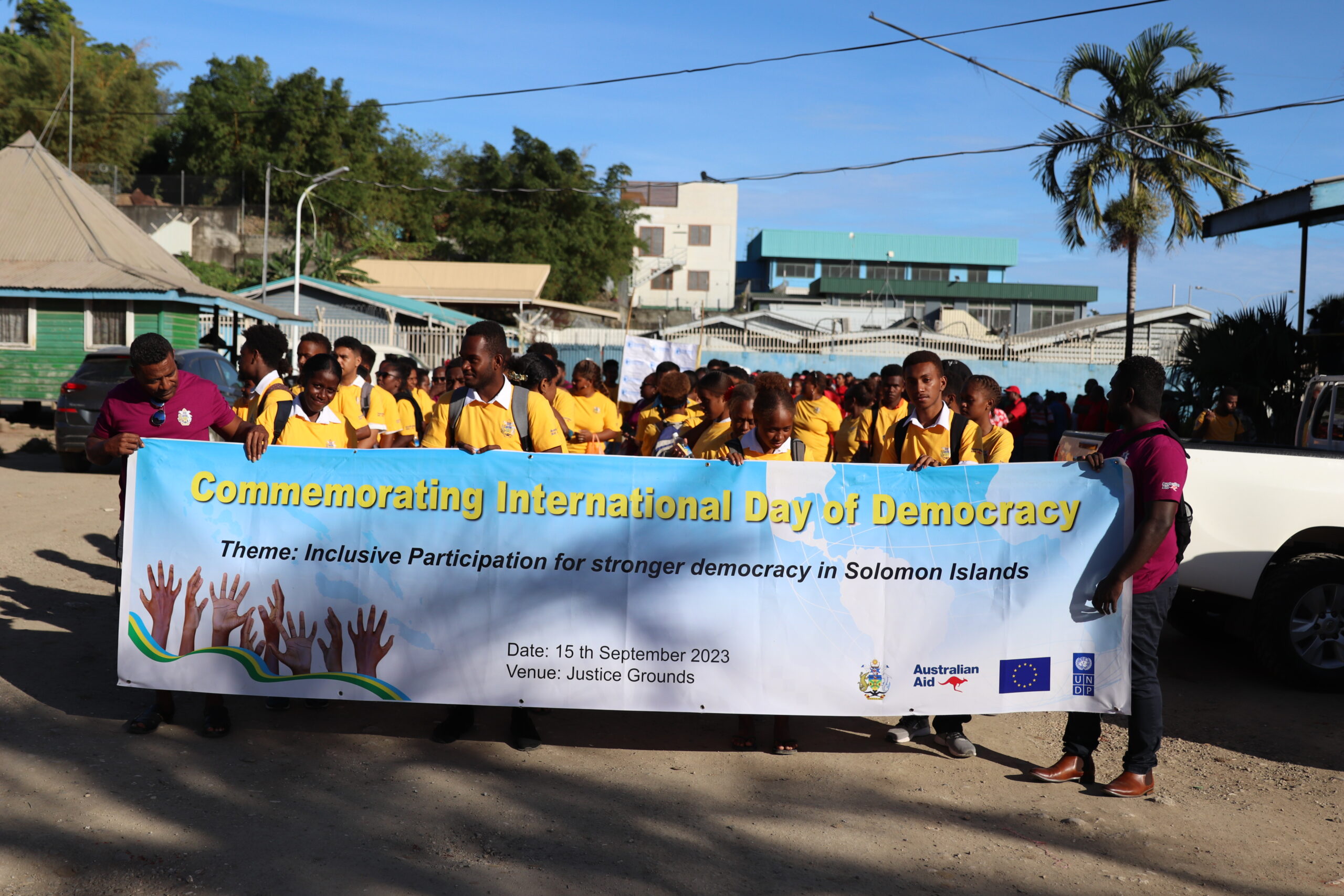
International Day of Democracy was first observed in 2008. It has been celebrated annually ever since. In its resolution, the UN called on states, organizations, and civil society to use this day to raise awareness about democracy. It also recommended that states involve parliamentarians and civil society organizations in the events.
Why Do We Need This Day?
Democracy is often associated primarily with elections. However, elections are only one part of it. It is important that people be able to freely express their views, access information, organize, and participate in decision-making. Another important principle is the equality of citizens. People must be able to participate in public and political life regardless of gender, origin, or social status.
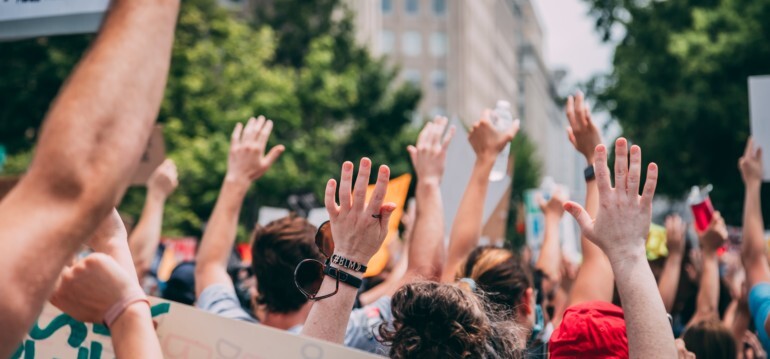
Freedom of speech is no less important. Article 19 of the Universal Declaration of Human Rights enshrines every person’s right to freedom of thought and expression. This includes the ability to seek, receive, and impart information and ideas through various means. Democracy also entails accountability of those in power. Parliaments and other state institutions must be open to the public, and citizens must be able to monitor their work. The Inter-Parliamentary Union lists representation of the people, openness, transparency, accessibility, accountability, and effectiveness among the key characteristics of a democratic parliament.
What is the theme of International Democracy Day in 2026?
In 2026, the focus will be on democracy based on the meaningful involvement of people in decision-making. The Inter-Parliamentary Union has designated the theme for the year as “Bring human rights into focus,” a call to prioritize human rights. The UN is also discussing so-called consultative, or deliberative, democratic processes this year. These refer to situations where people with diverse experiences and perspectives are involved in discussing important decisions.
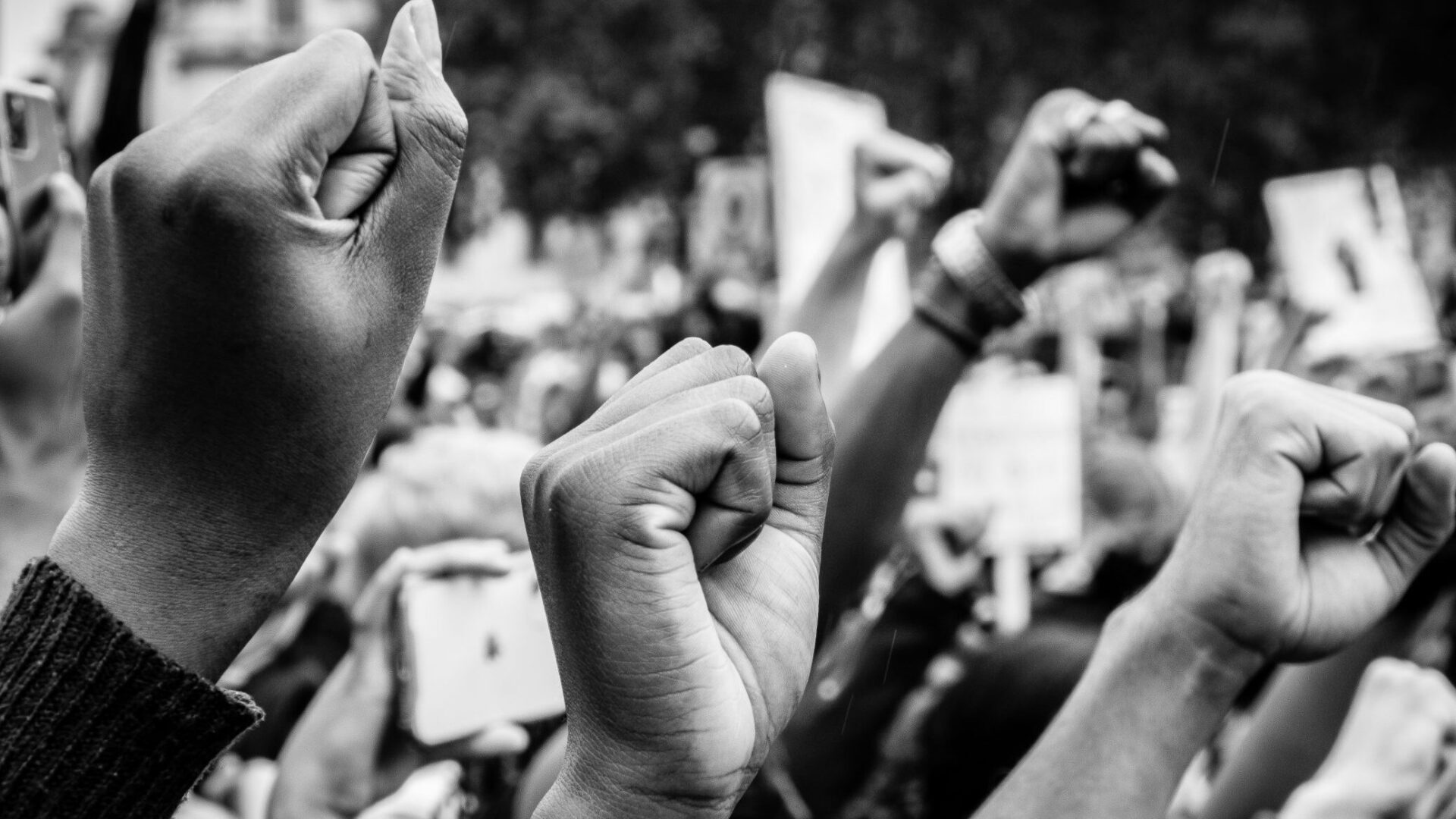
The idea is that decisions can be of higher quality if those in power not only announce them but also listen to society. Dialogue helps people better understand each other’s positions and seek common solutions. UN Secretary-General António Guterres, in his message for Democracy Day 2026, emphasized that democracy is more than just elections. According to him, it entails the protection of human rights, the rule of law, and the genuine participation of people in civic and political life.
This year, the UN is also holding a special event at its headquarters in New York dedicated to how involving diverse groups of people in decision-making can strengthen trust and make societies more peaceful and resilient.
How International Day of Democracy Is Observed
This day does not have traditions such as a national holiday or a mandatory festive meal. It is celebrated primarily through educational, civic, and political events. Parliaments in various countries hold open discussions, conferences, lectures, and meetings with citizens. Representatives of civil society organizations, journalists, young people, scholars, and activists can participate in such events.
Over the years that Democracy Day has been observed around the world, a wide variety of events have been organized. These have included photo exhibitions and contests, educational projects for children, televised debates, radio broadcasts with opportunities to ask questions, and meetings between parliaments and representatives of civil society. For young people, discussions can be held on elections, human rights, freedom of speech, and the role of citizens in the state. In schools and universities, the topic of democracy can be discussed in classes, lectures, or open meetings.

On this day, civic organizations often discuss human rights, access to information, citizen participation in decision-making, and the protection of democratic institutions. You can participate in Democracy Day even without organizing a large-scale event. For example, you can read about your civil rights, check information about how local authorities operate, participate in a public discussion, or simply talk with others about what a state should be like.
Interesting Facts About Democracy Day
The first International Day of Democracy was observed in 2008. This means that in 2026, this international observance will mark its 18th anniversary.
The Inter-Parliamentary Union initiated the creation of this day. As early as 1997, this organization adopted the Universal Declaration on Democracy. It was the Inter-Parliamentary Union that subsequently worked to establish this international day under the auspices of the United Nations.
Each year, attention is focused on a specific theme. For example, in 2014, the focus was on engaging youth in democracy; in 2015, on citizen participation; and in 2021, the question was raised as to whether democracy is truly in crisis. In 2024, the theme was democracy and peace, and in 2025, it was achieving gender equality.
Another important fact is that democracy does not mean that everyone shares the same views. On the contrary, a democratic system can accommodate different political positions, parties, and viewpoints. It is important that people be able to express these views peacefully and that decisions be made according to established rules.
The UN also emphasizes that democracy is not an irreversible process. It can develop, but it can also weaken if citizens and state institutions cease to defend its fundamental principles. That is why the International Day of Democracy is not just a holiday, but also an opportunity to reflect on how democratic our society and government institutions truly are.
Why Democracy Is Important for Every Person
Democracy is not just about presidential or parliamentary elections. It determines whether people can speak openly about issues, form civic organizations, protest peacefully, access information, and participate in the life of their community. An important part of democracy is the ability to change the government through peaceful means. If citizens disagree with the actions of politicians, they must have legal mechanisms to influence the political course.
That is why the UN calls for democracy to be viewed not as a finished system, but as an ongoing joint effort between the state and society. It requires respect for human rights, open dialogue, citizen participation, and accountable state institutions. International Democracy Day on September 15 reminds us of a simple truth: democracy begins with more than just casting a ballot in an election. It is manifested in the ability to be heard, to ask questions of those in power, to defend one’s rights, and to respect other people’s right to their own opinions.


