
Holiday on September 16, 2026 — Independence Day of Papua New Guinea

On September 16, Papua New Guinea celebrates Independence Day—it was on this day in 1975 that the country ceased to be under Australian administration and became an independent state. In 2026, the country will celebrate its 51st anniversary of independence. The day is marked by the raising of the national flag, music, traditional dances, cultural festivals, and large public events.
Papua New Guinea’s Independence Day is observed annually on September 16. This date became a national holiday after the country declared its independence from Australia in 1975. Prior to that, the territories of modern-day Papua New Guinea had a complex colonial history: part of the island was under British rule, while the other part was under German rule. After World War I, Australia gained control over the former German part, and after World War II, the territories of Papua and New Guinea were united under Australian administration.

Gradually, local residents gained increasing opportunities to participate in the country’s political life. Elections were held in 1972, after which Michael Somare became head of the government. He set a goal of first achieving self-government and then full independence. On December 1, 1973, Papua New Guinea gained self-government, and in less than two years, it became an independent state. On August 15, 1975, the Constitution of Papua New Guinea was adopted. It stipulated that the document would take effect on Independence Day—September 16. On that day, the country officially became a sovereign state, and Michael Somare became its first prime minister. As early as October 10, 1975, Papua New Guinea joined the United Nations.
How the Declaration of Independence Unfolded
The declaration of independence in 1975 was a major event for the entire country. The day before, on September 15, the Australian flag was ceremoniously lowered in Port Moresby. The next day, the flag of the new state was raised on Independence Hill in the capital. This moment became one of the main symbols of Papua New Guinea’s birth as an independent nation.
What made this transition particularly significant was that it took place without a war of independence against Australia. During the ceremony, the country’s first Governor-General, Sir John Gies, emphasized the peaceful nature of the event. According to him, the Australian flag was lowered not to humiliate the former administration, but to turn a new page in the country’s history. This moment is often cited as an example of a relatively peaceful transition from colonial rule to independence.
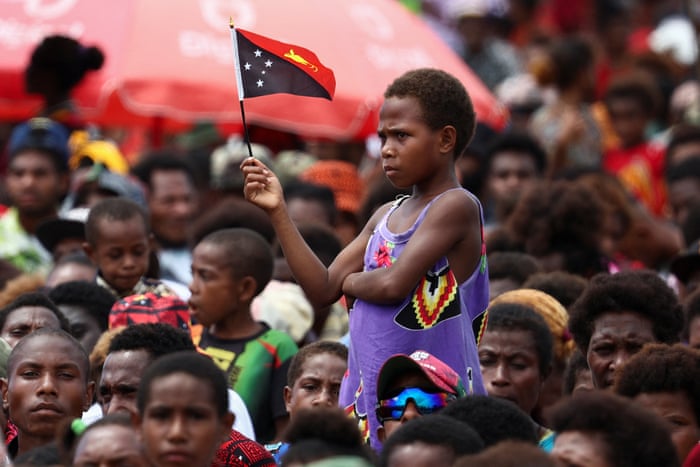
After gaining independence, Papua New Guinea maintained close ties with Australia. At the same time, the country began to independently build its state institutions, economy, and political system. One of the main challenges was to unite a vast number of different peoples, languages, and traditions into a single nation. That is why the theme of unity still plays an important role in Independence Day celebrations.
How Independence Day Is Celebrated
In Papua New Guinea, Independence Day is more than just an official date on the calendar. Concerts, cultural performances, festivals, sports competitions, fairs, and various community events take place throughout the country. One of the main traditions is the ceremonial raising of the national flag. In the capital, Port Moresby, the ceremony takes place on Independence Hill, near the National Parliament building, and is attended by government officials and ordinary citizens alike.

Traditional dances and music play a major role in the celebrations. In Papua New Guinea, these are often called “singsing”—large-scale cultural performances during which representatives from different regions showcase traditional clothing, jewelry, dances, and music. Such performances are especially important for a country with hundreds of different cultural groups. During the anniversary celebrations in 2025, thousands of people attended these events in traditional attire, and cultural groups represented their regions.
In 2026, the 51st anniversary celebrations will also have a strong cultural focus. For example, the Arts & Music Festival will take place in Port Moresby from September 12 to 16, featuring concerts, artistic performances, cultural groups, and fairs. Also planned in the capital is the Festival of a Thousand Tribes, showcasing the traditions and culture of all 22 provinces of the country. Organizers promise dancing, music, traditional cuisine, entertainment for children, and performances by cultural groups. People also decorate their homes, streets, and cars with national flags. A popular way to join in the celebration is to wear clothes in the colors of the Papua New Guinea flag—red, black, and yellow. For many citizens, this is an opportunity not only to mark a historic date but also to show their connection to the country and its culture.
Why Unity Is So Important for the Country
Papua New Guinea differs greatly from many other countries in terms of cultural diversity. Hundreds of different ethnic groups and cultural communities live here, and the number of languages exceeds 800. That is why even the country’s very name—“one nation”—does not mean that its people share the same traditions or language. On the contrary, Independence Day has become an opportunity to demonstrate that different communities can remain true to themselves while still being part of a single country.
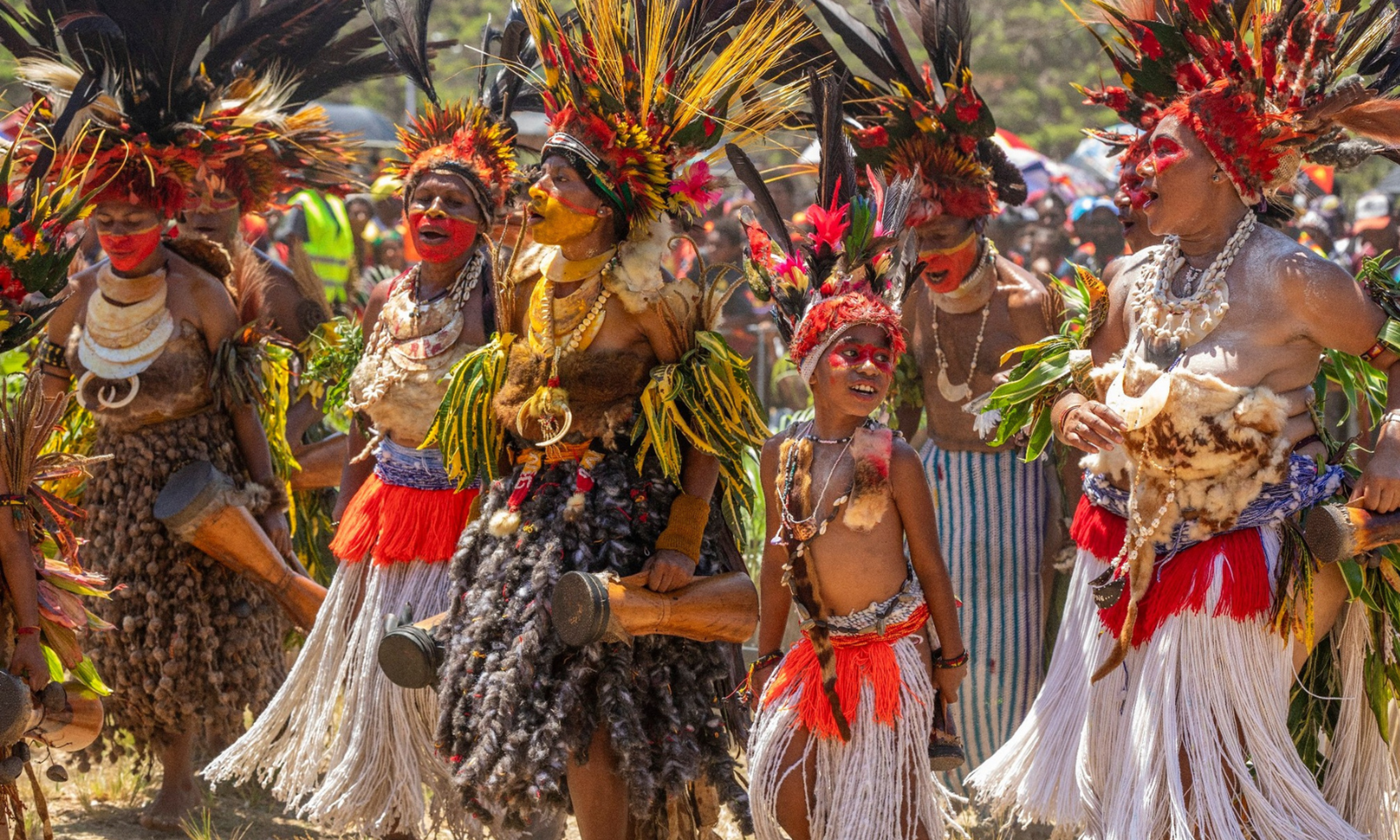
The Constitution of Papua New Guinea conveys this idea well. Its preamble speaks of uniting people into one nation and respecting cultural heritage and traditions. The document also emphasizes national identity, human dignity, and the pursuit of consensus rather than violence. Therefore, during national celebrations, people commemorate not only the events of 1975 but also the country’s cultural diversity.
What Does the Flag of Papua New Guinea Symbolize?
The national flag holds a special place in the celebrations. It was designed by schoolgirl Susan Carike in 1971, when she was just 15 years old. She proposed dividing the flag diagonally: placing a golden bird of paradise on a red background in the upper half, and five white stars of the Southern Cross on a black background in the lower half. It was this design that ultimately became the country’s national flag.
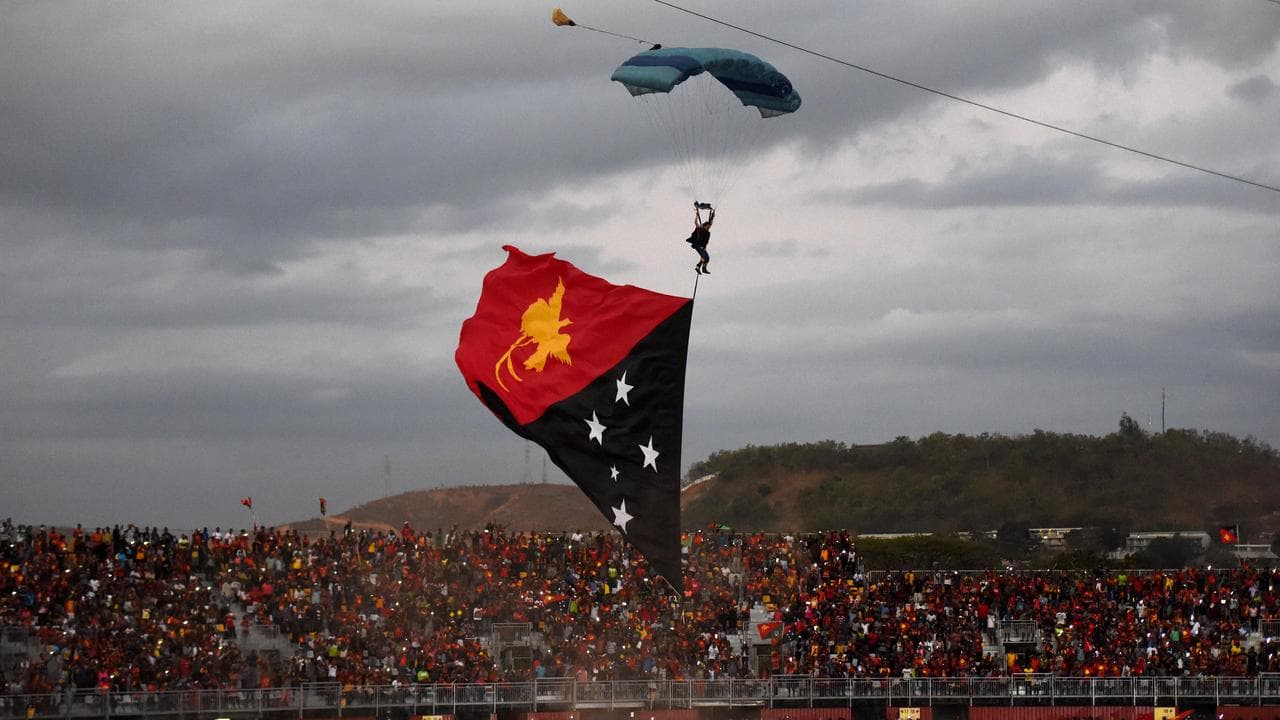
The colors of the flag also have symbolic meaning. Red and black have traditionally been used in the cultures of many peoples of Papua New Guinea. The bird of paradise is one of the country’s most famous symbols, and its feathers have been used for centuries in traditional clothing and ceremonies. The five stars represent the Southern Cross constellation, which is clearly visible in the southern hemisphere’s sky. Together, these symbols are meant to serve as a reminder of the country’s cultural heritage and its emergence as an independent state.
Papua New Guinea—A Country of Hundreds of Cultures
Papua New Guinea is often called one of the most culturally diverse countries in the world. There are over 800 languages spoken here, and traditions can vary greatly even between neighboring communities. The country features mountainous regions, tropical forests, islands, volcanoes, and vast coastal areas. This diversity is also reflected in how people celebrate national events.
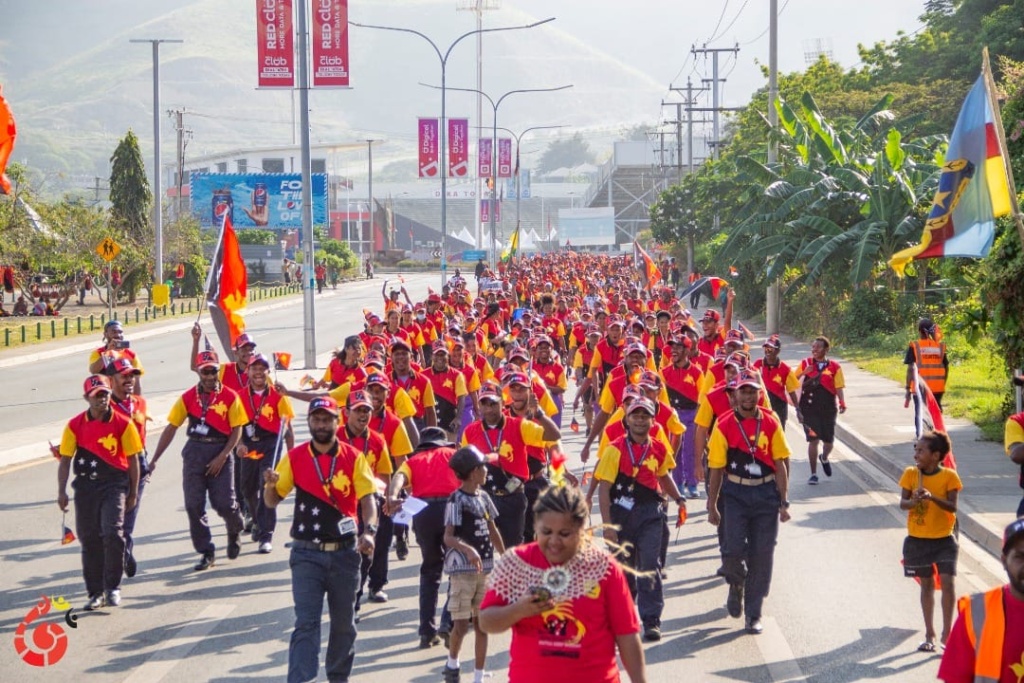
For Papua New Guinea, cultural festivals are not just entertainment for tourists. They help pass down traditions from older generations to younger ones. During these events, people showcase traditional clothing, jewelry, music, dances, and local cuisine. That is why Independence Day often turns into a grand celebration of culture, where you can see just how diverse the country’s regions are.
Interesting Facts About Papua New Guinea
Papua New Guinea is located on the eastern part of the island of New Guinea and also encompasses hundreds of smaller islands. The country’s tourism materials mention more than 600 islands, many of which remain sparsely populated. The country features high mountains, tropical forests, coral reefs, and active volcanoes. The country’s highest peak is Mount Wilhelm, which stands at approximately 4,509 meters.
Another distinctive feature is its incredible biodiversity. Papua New Guinea is home to numerous species of animals and plants, some of which are found nowhere else in the world. Paradise birds hold a special place among them and have become one of the country’s symbols. Their bright colors and unusual plumage have long played an important role in local culture.
The country is also known for its traditional foods and agriculture. Coffee, cacao, and other crops are grown in various regions, which are of great importance to local communities and the economy. A significant portion of the population lives outside major cities and maintains a traditional way of life. Due to the rugged mountainous terrain and the large number of islands, transportation between some areas remains challenging.
What is the country’s status today?
After gaining independence, Papua New Guinea did not sever all ties with the United Kingdom and other Commonwealth countries. It remains a constitutional monarchy and a member of the Commonwealth of Nations. King Charles III is the head of state, and he is represented in the country by the Governor-General. At the same time, actual executive power rests with the government, which is headed by the prime minister.
Independence Day reminds citizens that modern Papua New Guinea emerged as an independent state in 1975 after a long period of external administration. In 2026, the country will celebrate its 51st year of independence. For residents, this is not only a commemoration of a historic date but also an opportunity to celebrate their own culture, traditions, and achievements. That is why September 16 in Papua New Guinea combines official ceremonies, patriotic events, and vibrant folk celebrations.


