
Holiday on September 18, 2026 — Bamboo Day: Interesting Facts About This Unusual Plant

September 18 is World Bamboo Day—a day dedicated to a plant used in construction, cooking, and the production of furniture, clothing, and even musical instruments. The holiday was established in 2009 to raise awareness about bamboo’s potential and its importance to nature, the economy, and various cultures. In 2026, World Bamboo Day falls on Friday, September 18.
World Bamboo Day is celebrated annually on September 18. The date was not chosen at random. It is linked to the World Bamboo Congress, which took place in Bangkok, Thailand, in 2009. It was there that congress participants declared September 18 as World Bamboo Day. Representatives from over 100 countries took part in the event. The date also coincides with Thailand’s Forestry Day.
The initiative to establish this day came from Kamesh Salam, then president of the World Bamboo Organization. The organization wanted to draw attention not just to the plant itself, but to its enormous potential. Bamboo has been used for centuries in various parts of the world, but modern technologies allow for even broader applications. Therefore, the holiday has become a platform for discussions about the environment, new materials, agriculture, design, and the development of local communities.
The first World Bamboo Day was held on September 18, 2009. The day after the holiday was announced, representatives from various countries even took part in planting bamboo in a park near Bangkok. Thus, this symbolic date was linked not only to conferences and speeches but also to the actual planting of bamboo. Since then, September 18 has served as an annual reminder that bamboo can be an important resource for the future.
Why Was This Holiday Created?
The main goal of World Bamboo Day is to demonstrate the many possibilities this plant offers. The organizers aim to draw attention to its environmental, economic, and social benefits. Bamboo is used as a raw material for construction, furniture, textiles, paper, household items, and other goods. In some countries, it is also an important source of food and income for local residents.
Another important theme of this day is the responsible use of natural resources. Bamboo grows very quickly, and some species can be harvested without destroying the root system. This makes it possible to regularly harvest raw materials from a single plot of land. At the same time, experts emphasize that even bamboo requires proper cultivation and management, as overexploitation can harm natural ecosystems. World Bamboo Day also helps raise awareness about job creation and community development. Growing, processing, and selling bamboo can create sources of income for farmers, artisans, designers, and entrepreneurs. That is why bamboo is viewed not only as an eco-friendly material but also as a part of the local economy.
Why Bamboo Is Considered a Special Plant
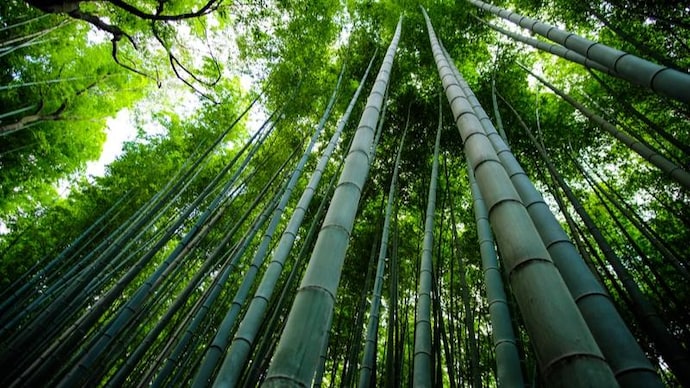
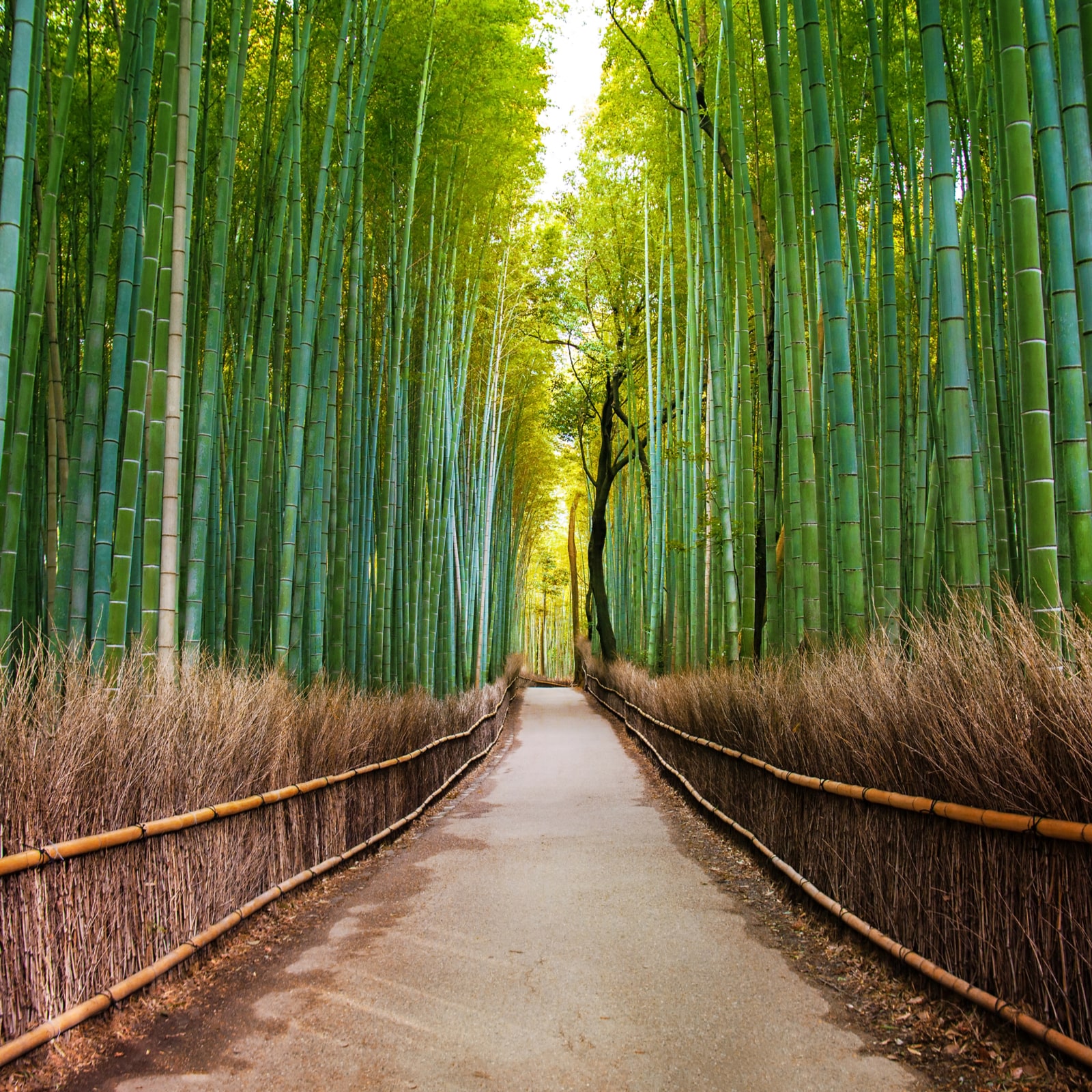
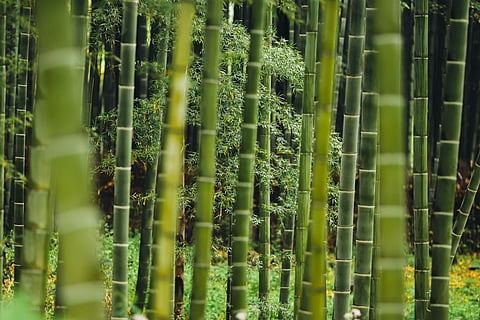
At first glance, bamboo looks like a tree. In reality, it is a grass. It belongs to the grass family, although some species can grow to enormous sizes and form actual bamboo forests. There are over 1,500 species of bamboo in the world, varying in size, color, and shape. One of bamboo’s most impressive characteristics is its growth rate. Under favorable conditions, some species can grow approximately 90 centimeters per day. This means that new shoots literally change noticeably within a single day. It is this rapid regrowth that makes bamboo attractive for the production of materials, although the growth rate depends heavily on the specific species and conditions.
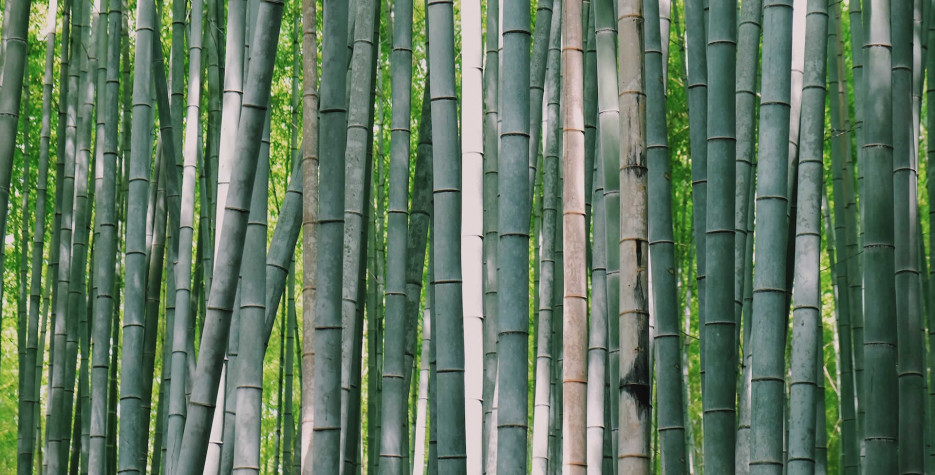
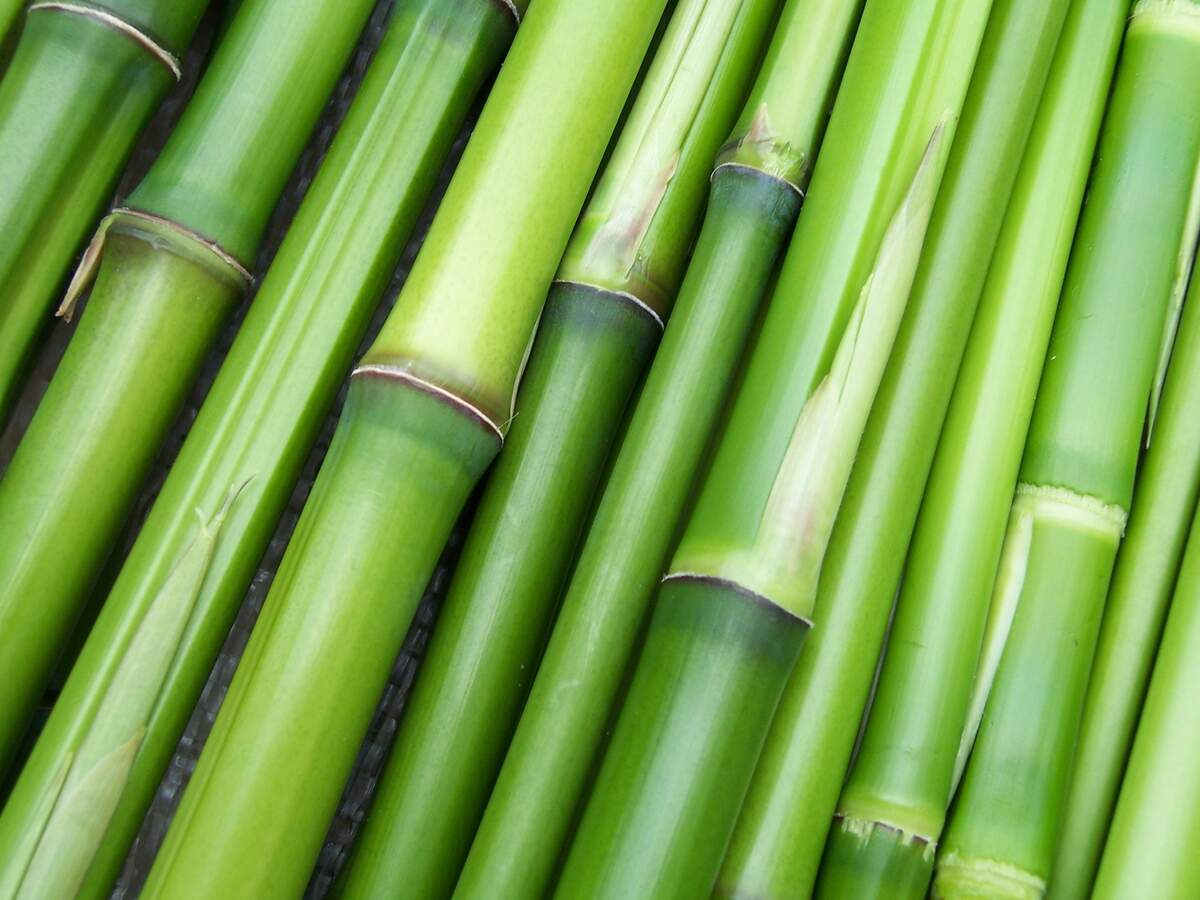
Bamboo is also known for its strength. Its stems are hollow inside but can still withstand significant loads. That is why, for centuries, people in various countries have used it to build houses, bridges, fences, and other structures. Today, bamboo is also used in modern architecture, particularly for creating lightweight structures and design elements.
Where Bamboo Is Used
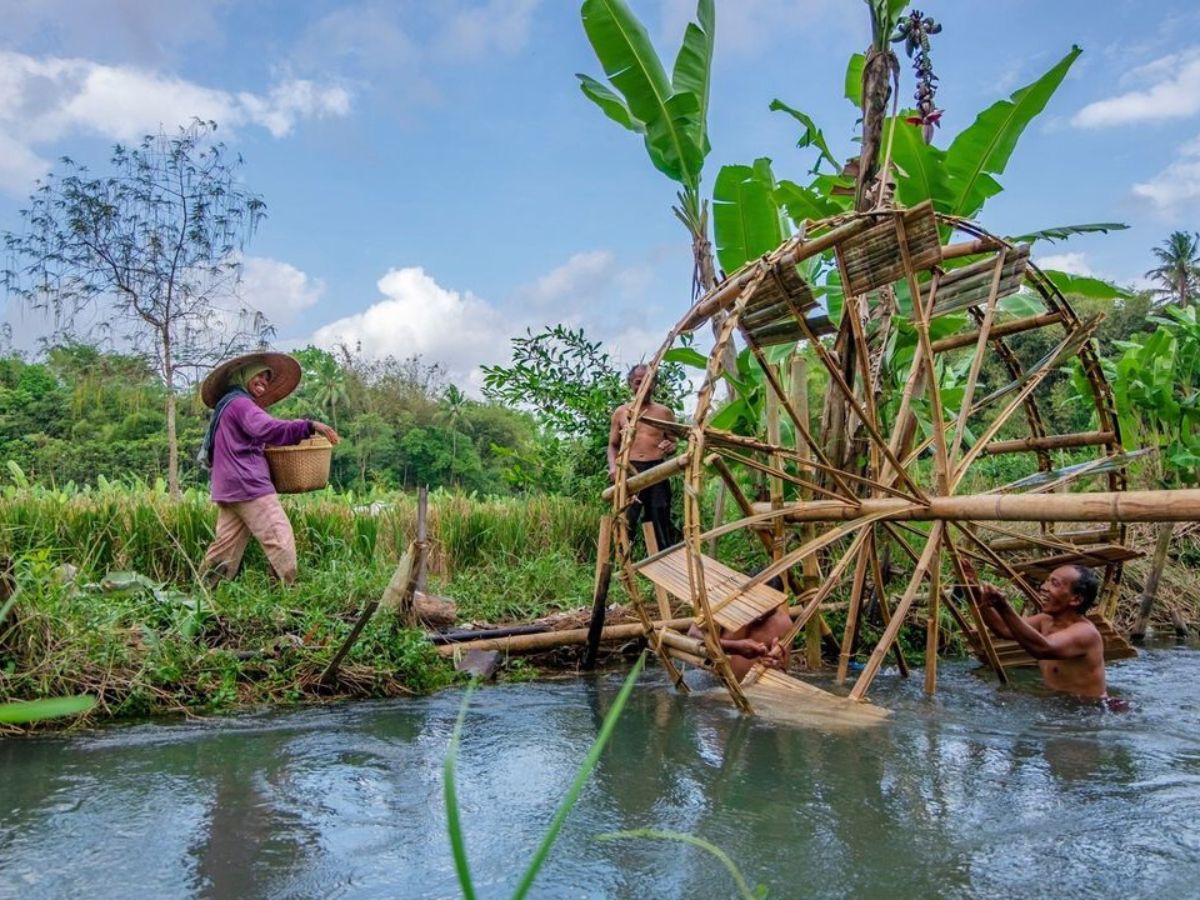
The range of applications for bamboo is much broader than it might seem. It is used to make furniture, flooring, tableware, kitchen items, musical instruments, decorative items, and various interior design elements. Bamboo is also used in the production of paper, textiles, and certain types of packaging. In many countries, it remains an integral part of traditional crafts.
Bamboo is also used in cooking. The young shoots of some species are edible and popular in Asian cuisine. They can be added to soups, salads, hot dishes, and other foods. Certain parts of the plant are also used to make beverages. However, not every type of bamboo is suitable for consumption, so only appropriate varieties and properly processed shoots are used. Another interesting area is music. In many countries, bamboo is used to make flutes, drums, and other instruments. Its hollow stems are well-suited for creating structures where sound quality is important. Therefore, bamboo has long been a part of the musical culture of various peoples.
Bamboo and Nature
Bamboo is often viewed as one of the materials that can help transition to more sustainable production. It grows quickly, and some species require relatively little water and pesticides. After being cut, the plant can continue to grow thanks to its root system. It is this property that distinguishes bamboo from trees, which must be grown for many years before their wood can be harvested.
Bamboo thickets can also be important for ecosystems. They help retain soil and can be used to restore degraded land. Natural bamboo forests are home to a variety of animals, and for some species, bamboo is a vital part of their habitat. The best-known example is the giant panda, whose diet consists almost entirely of bamboo.
At the same time, bamboo should not automatically be labeled an “ideal eco-friendly material.” Its benefits depend on where and how it is grown, harvested, and processed. If natural bamboo forests are destroyed or other valuable ecosystems are replaced by them, this creates environmental problems. That is why World Bamboo Day focuses not only on the use of the plant but also on responsible cultivation and nature conservation.
Interesting Facts About Bamboo
Bamboo has many surprising properties. For example, its stems can be very strong, even though they are hollow inside. Some species grow so quickly that they are considered among the fastest-growing plants on the planet. That is why bamboo is often used in situations where plant-based raw materials are needed much faster than traditional wood.
Bamboo also has a long history of use. In China, it was used to make various household items and even early forms of writing materials. It was used to make weapons, musical instruments, baskets, building structures, and tableware. In some cultures, bamboo has become so important that it has come to symbolize resilience, flexibility, and adaptability.
There are also technological applications. Bamboo fiber and bamboo charcoal have been used in various industrial applications. In particular, bamboo charcoal is used in filters and other products. Bamboo is also used to create modern composite materials that can be used in construction and design.
How World Bamboo Day Is Celebrated
There is no one-size-fits-all way to celebrate this day. Different countries host festivals, lectures, exhibitions, workshops, educational events, and online conferences. Organizers may showcase bamboo products, discuss bamboo cultivation, or introduce people to modern bamboo processing technologies. One of the most common traditions is planting bamboo. For example, in 2021, staff at the Institute of Tropical Forest Research in India planted various species of bamboo in a special bamboo garden. They also organized a photo contest there dedicated to bamboo in nature and its uses.

Another popular format is exhibitions and contests. Schoolchildren, college students, designers, folk artisans, farmers, and entrepreneurs can all participate. People showcase their own creations, lead hands-on workshops, or talk about bamboo in their line of work. This way, the celebration becomes more than just a date on the calendar—it’s an opportunity to demonstrate real-world applications of the plant. In 2026, for example, World Bamboo Week will take place in India from September 14–18. The program includes exhibitions, webinars, contests for schoolchildren and students, craft demonstrations, and events for farmers and artisans. September 18 will be the highlight of the program.

You can join in on World Bamboo Day even without organizing a major event. You can learn more about this plant, visit an exhibition or a workshop, purchase a product from a local artisan, or simply take note of how many items around you are made of bamboo. Another option is to plant a species suitable for your climate or participate in an environmental campaign. The event organizers suggest using these simple actions to promote a responsible attitude toward natural resources.
World Bamboo Day 2026
In 2026, World Bamboo Day will be celebrated on September 18. The World Bamboo Organization calls on people to use this day to discuss bamboo as a resource that can combine nature conservation, job creation, technological development, and the growth of local communities. The organization suggests organizing planting events, seminars, exhibitions, and educational activities, as well as visiting bamboo projects and supporting research.
The focus is not only on finished bamboo products. It also covers how to grow bamboo without harming the environment, how to create new materials, and how to help communities generate a stable income from this plant-based resource. For scientists and manufacturers, this is an opportunity to discuss new technologies. For ordinary people, it’s a reminder that familiar natural materials can have far more uses than meets the eye.
So World Bamboo Day isn’t just an unusual date dedicated to a plant. It’s an occasion to talk about how natural resources can benefit people, the economy, and the environment all at once. It’s also a great chance to learn why this seemingly ordinary grass has become a material for houses, furniture, clothing, food, musical instruments, and modern technologies.


