
July 22 Holiday: World Brain Day and How It Is Celebrated

July 22 marks World Brain Day—an international awareness day that highlights the importance of nervous system health. On this day, doctors, scientists, and nonprofit organizations discuss the prevention of neurological diseases, share the latest research, and emphasize the need to take care of the brain throughout one’s entire life.
World Brain Day is observed annually on July 22. Its main goal is to draw people’s attention to brain health and explain why preventing neurological diseases is no less important than taking care of the heart or other organs. It is the brain that controls the functioning of the entire body. It is responsible for memory, thinking, emotions, speech, movement, breathing, sleep, the ability to learn, and decision-making. Any disruption to its functioning can seriously affect a person’s quality of life.
Each year, this day is dedicated to a specific international theme. The World Federation of Neurology, together with medical organizations, conducts awareness campaigns to help more people learn about stroke, Alzheimer’s disease, epilepsy, multiple sclerosis, Parkinson’s disease, and other neurological disorders.
History of the Day
World Brain Day was established by the World Federation of Neurology (WFN). The organization itself was founded in 1957 to bring together neurologists from around the world and foster international collaboration in the field of nervous system research. Later, the federation established a separate awareness day dedicated to brain health. July 22—the organization’s founding date—was chosen as the date. Since then, this day has been used annually for educational campaigns and to raise awareness about how the brain works.
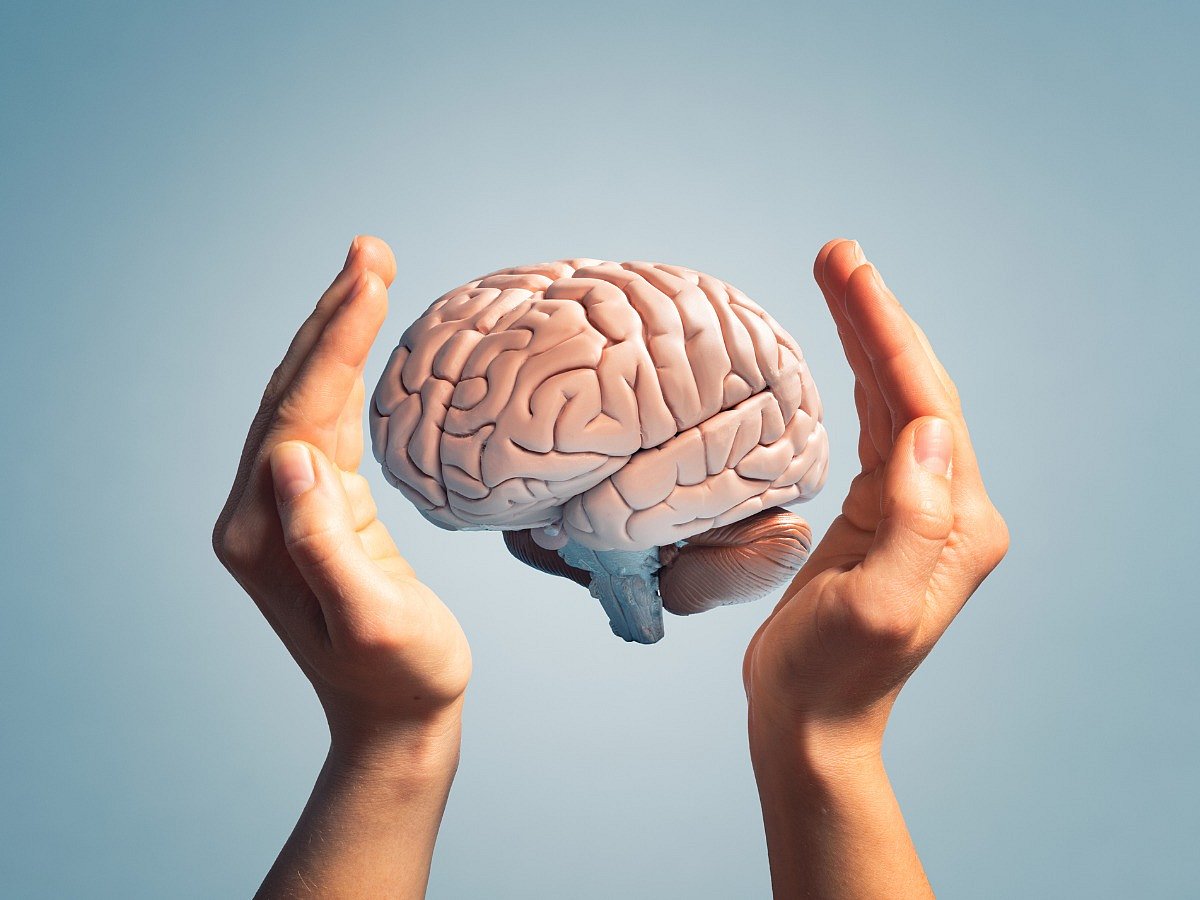
Today, the World Federation of Neurology comprises more than 120 professional associations from various countries. Its members work to study neurological diseases, support scientific research, exchange experiences, and help implement modern treatment methods. Every year, the issue of brain health becomes increasingly relevant. People are living longer, and with that, the number of diseases associated with the aging of the nervous system is increasing. That is why doctors emphasize that prevention must begin long before the first symptoms appear.
How World Brain Day Is Observed
In many countries, this day features public lectures, conferences, seminars, and medical forums. Neurologists explain how the brain works, which symptoms should not be ignored, and when to see a doctor. Hospitals, universities, and research centers organize free consultations, informational meetings, and educational campaigns. People are informed about risk factors for stroke, dementia, and other neurological diseases, as well as current treatment options.

Charitable foundations, community organizations, and educational institutions are actively participating in these campaigns. Useful tips on healthy lifestyles, proper nutrition, physical activity, and memory training are shared on social media.Special attention is given to supporting people who are already living with neurological diseases. Medical professionals emphasize that timely diagnosis and appropriately tailored treatment help many patients remain active and maintain a high quality of life.
Traditions of This Day
World Brain Day does not have any grand festive traditions, but each year it serves as an opportunity to talk more about health. Various countries host themed meetings, lectures, workshops, and open discussions featuring doctors and scientists. Many medical institutions publish recommendations on preventing neurological diseases on this day. Experts advise getting regular medical checkups, monitoring blood pressure and blood sugar levels, and avoiding self-medication.
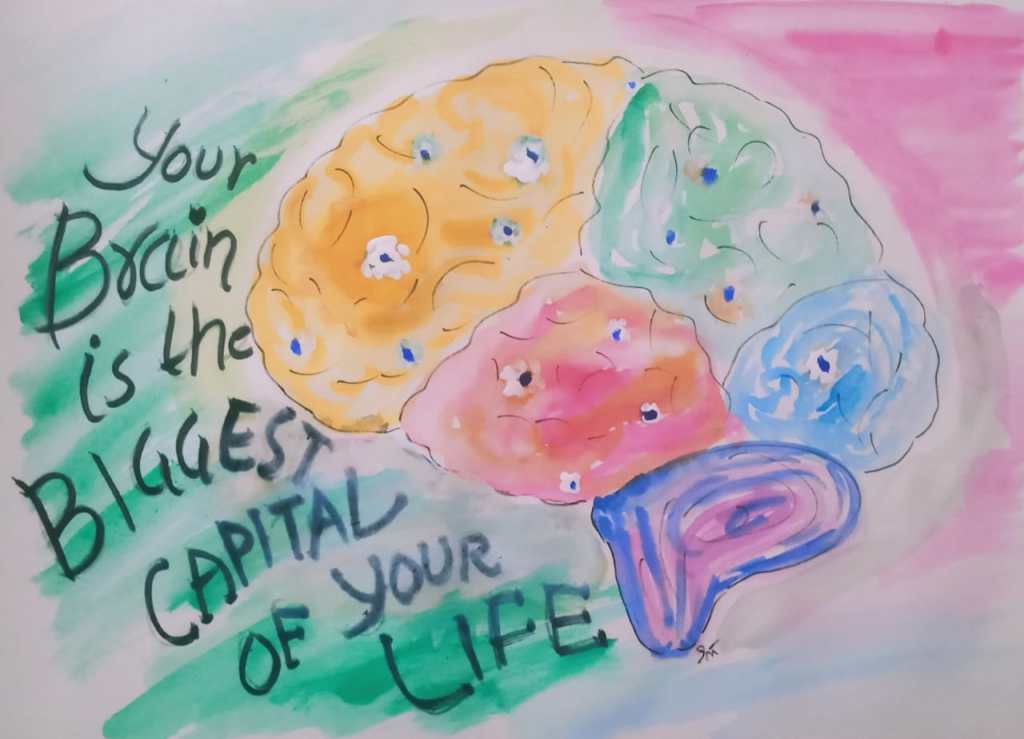
Another tradition is promoting healthy habits. People are encouraged to be more active, get enough sleep, quit smoking, limit alcohol consumption, eat a balanced diet, and continue learning. It is believed that active mental engagement helps keep the brain in good shape even in old age. Many educational institutions hold quizzes, interactive sessions, and demonstrations of scientific experiments to show children and young people just how complex—and at the same time, amazing—the human brain is.
Interesting Facts About the Brain
The human brain weighs, on average, only about 1.3–1.4 kilograms. This is approximately 2% of body weight, yet it consumes about 20% of the total oxygen and energy the body needs. The brain contains approximately 86 billion nerve cells—neurons. They continuously exchange signals, forming trillions of connections that enable memory, learning, movement, and thought.
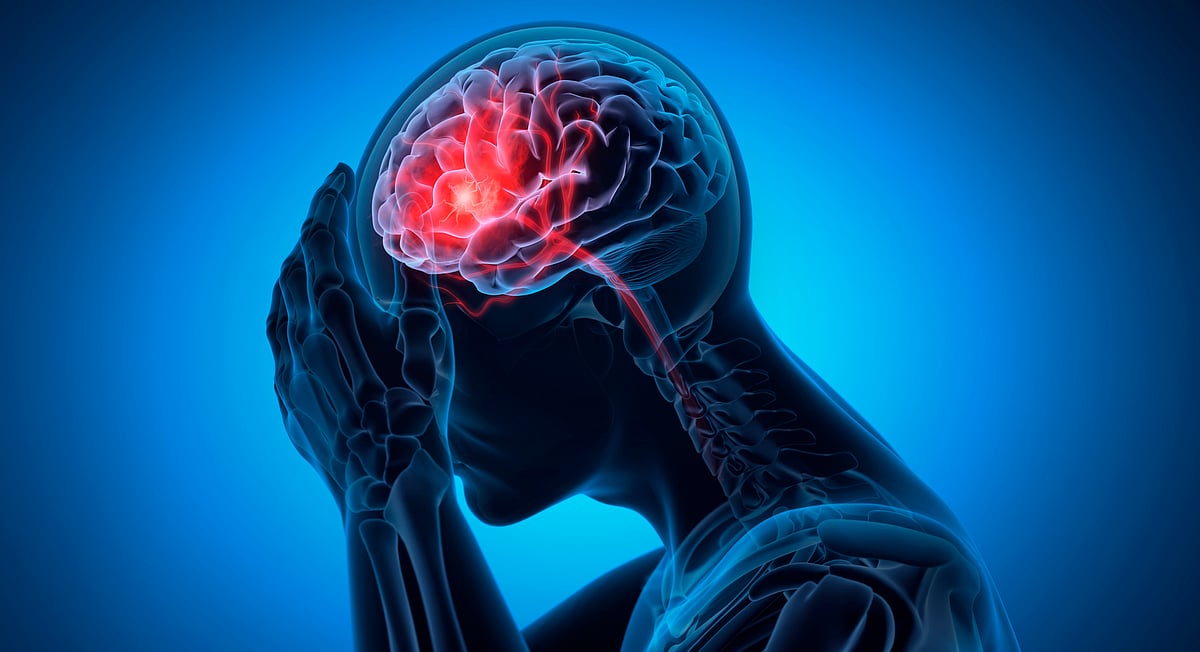
Scientists have proven that the brain is capable of changing throughout a person’s entire life. This phenomenon is called neuroplasticity. It is thanks to neuroplasticity that people can learn new things, recover certain functions after injuries, and develop new skills even in old age.
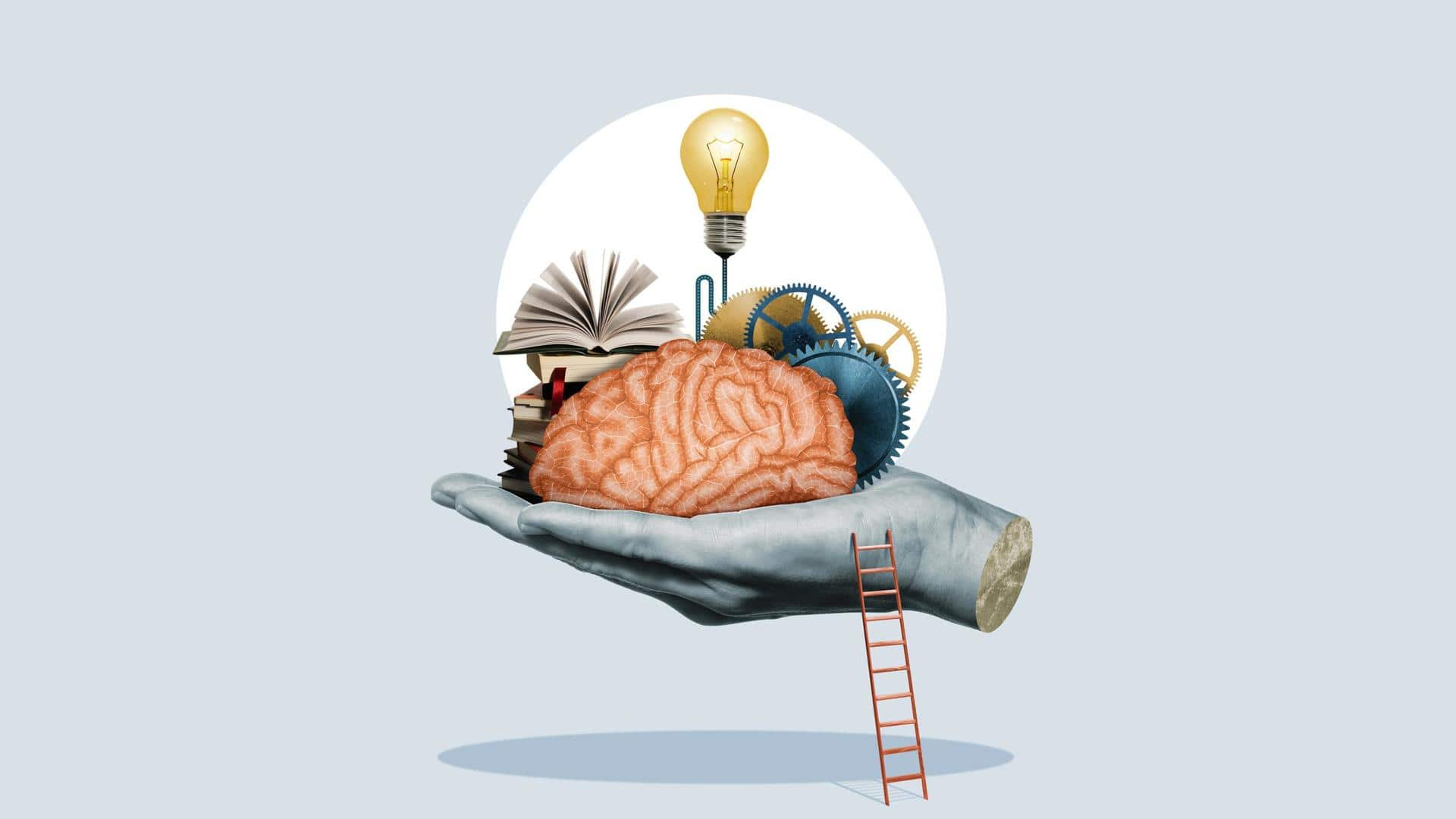
Studies show that restful sleep is one of the most important factors for brain health. During sleep, the nervous system processes information, consolidates memories, and clears away metabolic waste products. Smoking, excessive alcohol consumption, chronic stress, and a lack of physical activity can negatively affect cognitive functions. On the other hand, regular walks, a balanced diet, reading, socializing, and mental exercises help keep the brain active.
How to Take Care of Your Brain Health
Doctors emphasize that simple daily habits help preserve brain health. First and foremost, it’s important to get at least seven to eight hours of sleep regularly, since it is during sleep that the brain recovers from stress. Physical activity and a healthy diet are just as important. Fruits, vegetables, fish, nuts, whole grains, and plenty of water have a positive effect on the nervous system.
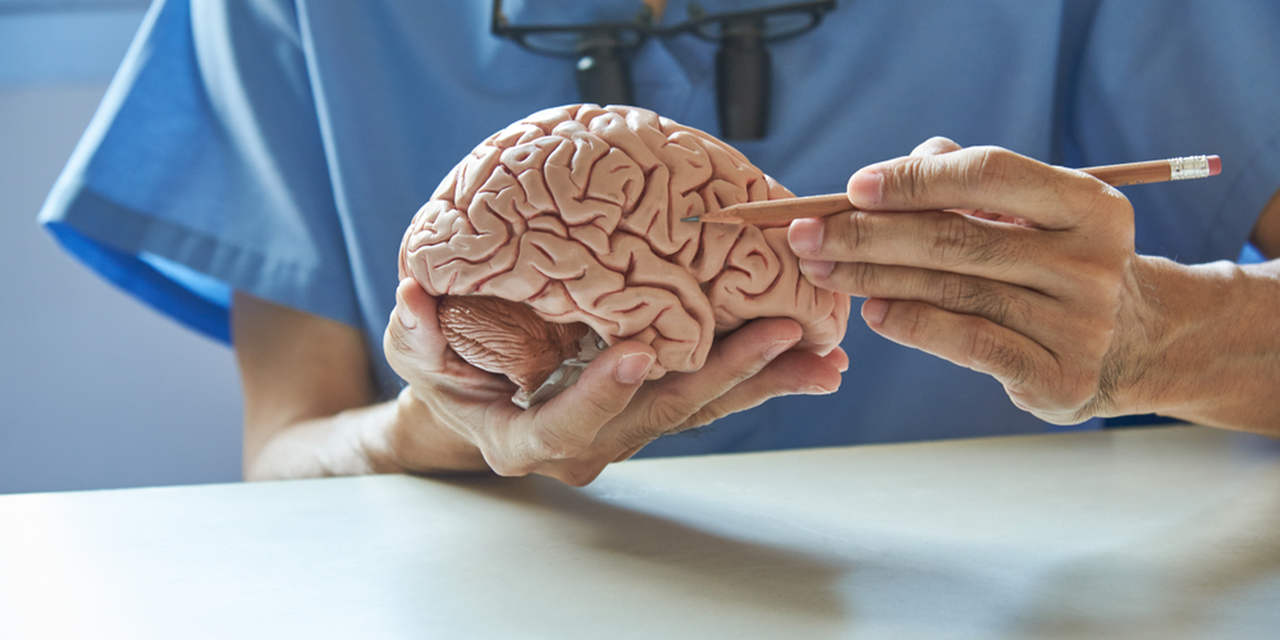
It’s beneficial to constantly exercise your memory and thinking skills: read books, learn foreign languages, solve logic puzzles, acquire new skills, or engage in creative activities. Such activities help maintain the activity of neural connections. Doctors also recommend monitoring blood pressure, cholesterol levels, and blood sugar. These factors can significantly increase the risk of stroke and other serious diseases.
Why This Holiday Remains Important
World Brain Day serves as a reminder that the health of the nervous system depends largely on a person’s lifestyle. Modern medicine is gaining a deeper understanding of how the brain works, but prevention remains the most effective way to preserve its functions for many years to come.

Every year on July 22, doctors, scientists, and public organizations urge people to pay closer attention to their health, not to ignore warning signs, and to remember: taking care of your brain starts with simple daily habits. That is why World Brain Day is an important international observance that unites the medical community and millions of people around the world.


