
Holiday on September 23, 2026 — Green Coffee Day: History, Benefits, and Fun Facts
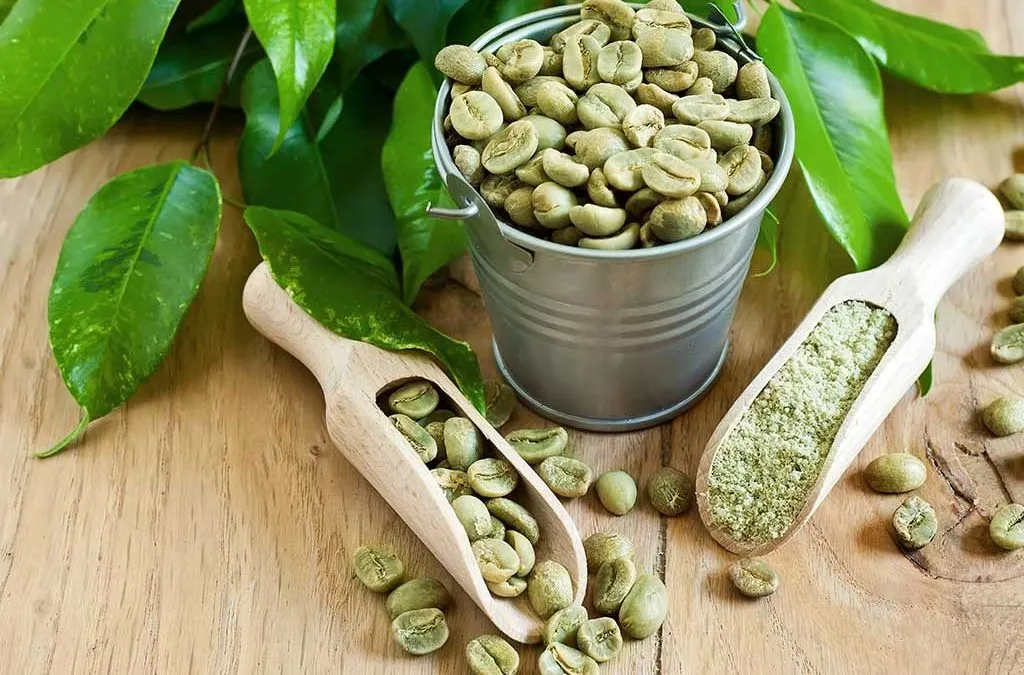
September 23 is Green Coffee Day—Giornata del Caffè Verde—in Italy. This date is associated not only with unroasted coffee beans but also with the work of the coffee industry itself, responsible production, and attention to how coffee makes its way from the plantation to the cup. The history of the holiday dates back to 2009, when the Italian company Co.ind organized a special meeting for green coffee suppliers.
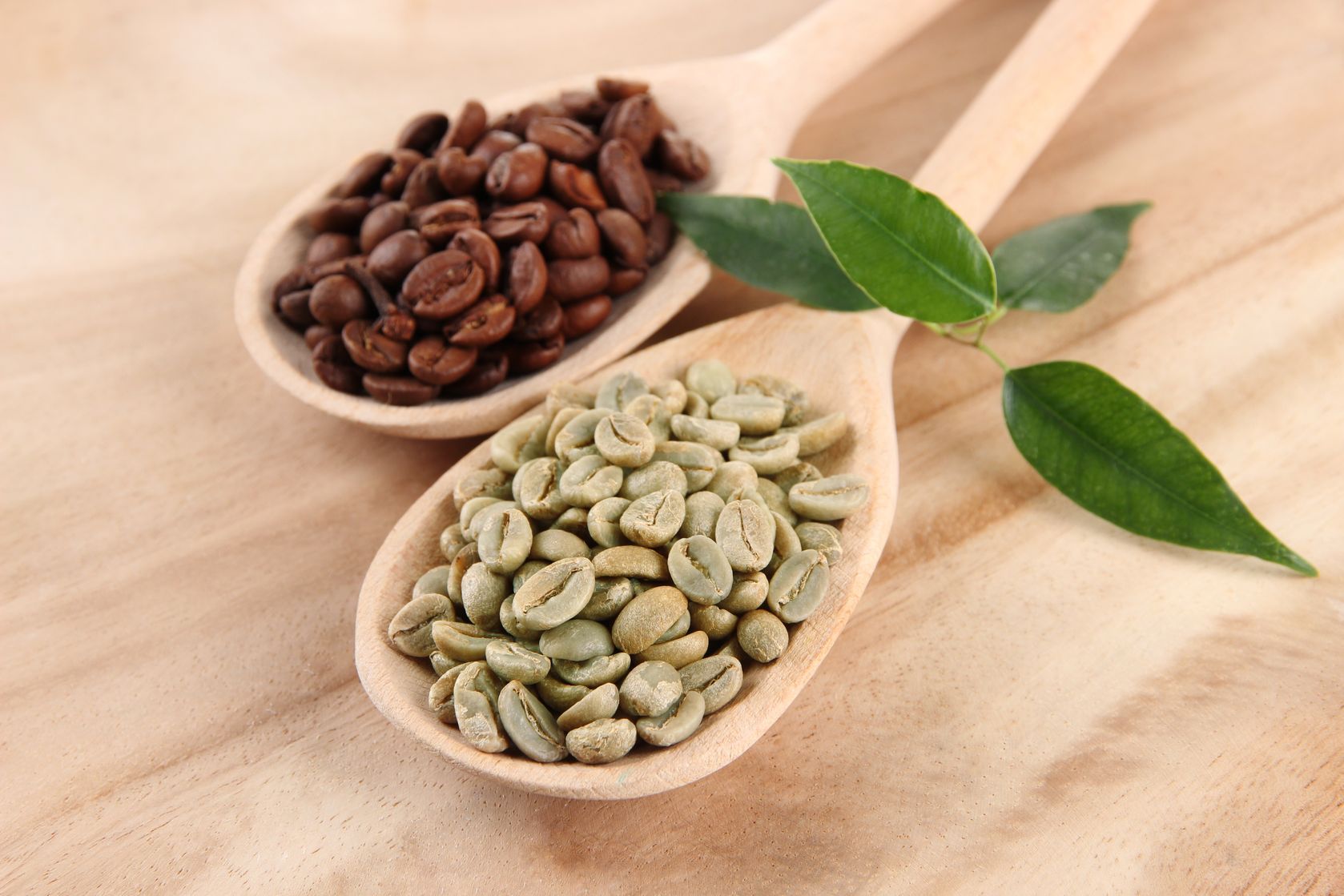
Green Coffee Day is celebrated annually on September 23. The event is associated specifically with Italy, where coffee has long been an important part of everyday culture and an entire industry. However, this is not the same day as International Coffee Day, which is celebrated on October 1. To the average coffee lover, the name of the holiday may sound a bit unusual. After all, most people are used to seeing coffee beans as dark brown, not green. However, before roasting, the beans actually have a different appearance and color. It is precisely this raw material that the coffee industry refers to as green coffee.
In 2026, Green Coffee Day falls on Wednesday, September 23. On this day, you can not only enjoy your favorite espresso or cappuccino but also learn a little more about where coffee beans come from, how they’re processed, and why sustainability is becoming increasingly important for the coffee industry.
How Green Coffee Day Came to Be
The history of this date has a very specific starting point. On September 23, 2009, the Italian company Co.ind s.c. held an event called “Green Coffee Day.” The company invited its main green coffee suppliers and partners involved in its production. The goal was not just to hold a professional meeting, but to discuss the future of the coffee industry and showcase new approaches to working with raw materials.

The event took place at the Co.ind facility in Castel Maggiore, Italy. Participants were shown the production facilities, quality control laboratories, and new infrastructure for processing green coffee. Special attention was given to the 26-meter tower, which the company launched in early 2009. It was used for receiving, cleaning, storing, and blending green coffee.
In other words, it was initially primarily a professional event for people who work directly with coffee. Participants discussed bean quality, supply, technology, and the company’s future strategies. This date later became known as Green Coffee Day. Interestingly, the organizers combined the business portion with informal networking. The program included professional discussions, analysis, a tour of the production facility, and opportunities for participants to mingle. In this way, green coffee became a reason to talk not only about the product itself but also about the entire world surrounding it.
What Is Green Coffee
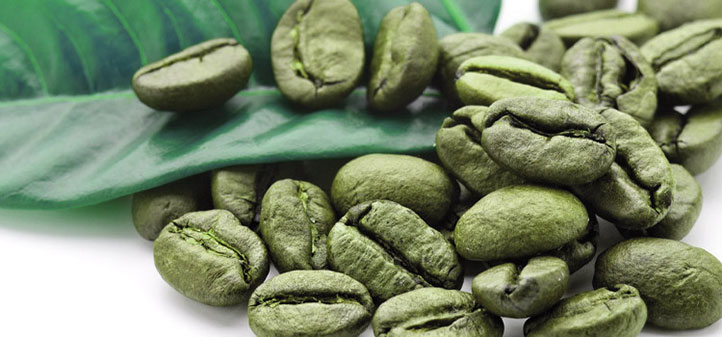
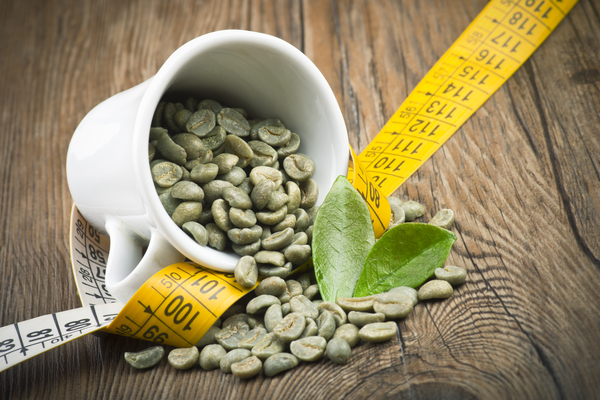
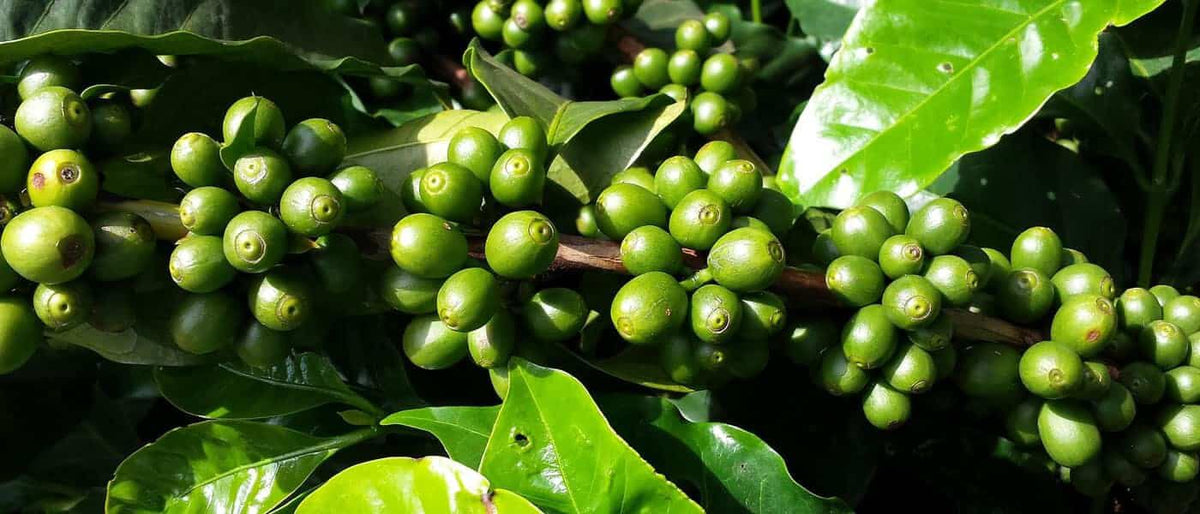
Green coffee consists of coffee beans that have not yet been roasted. After harvesting and initial processing, they have a natural light, greenish-gray hue. It is in this form that the beans are transported, stored, and sold to coffee producers. After roasting, everything changes. The beans darken, become more aromatic, and a whole series of chemical reactions takes place inside them. It is the roasting process that creates a significant portion of the aromas and flavors we’ve come to associate with coffee.
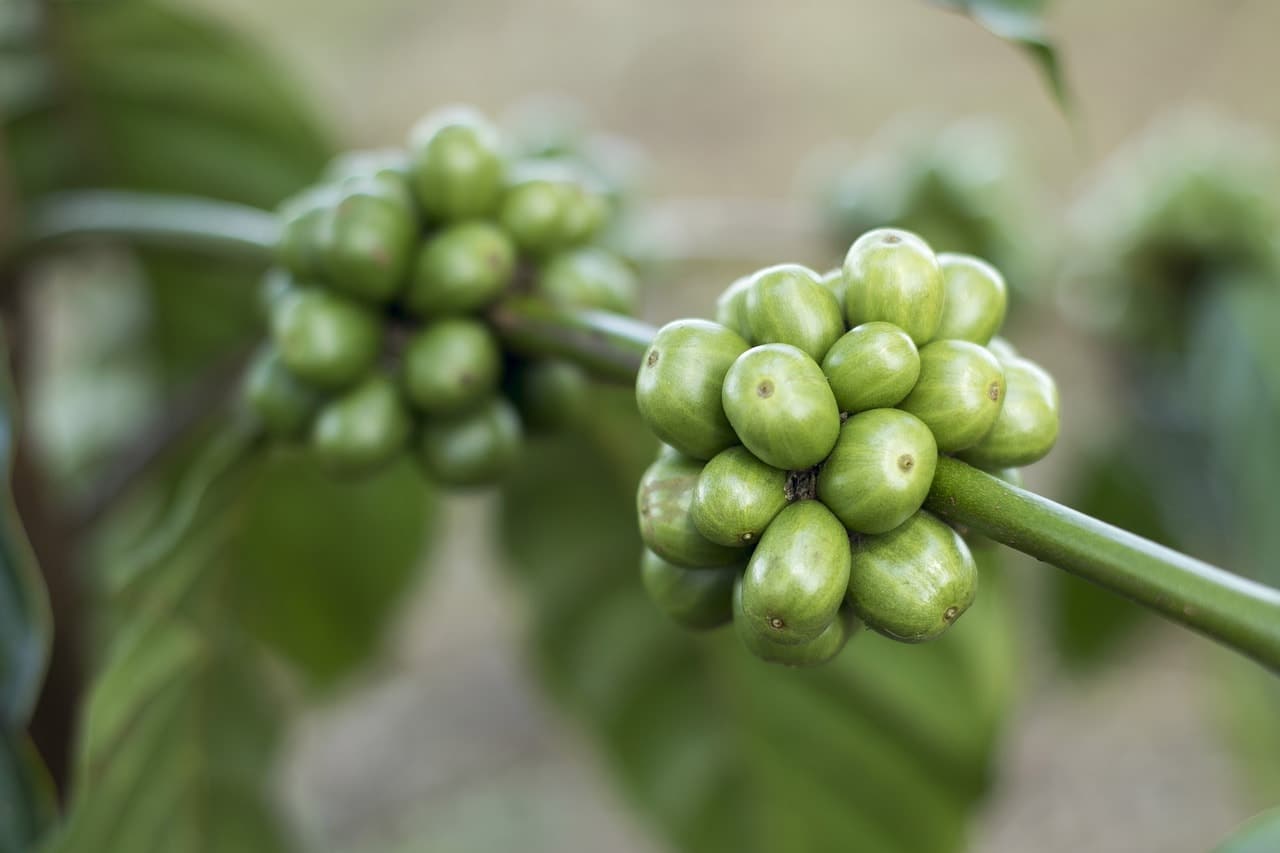
Therefore, green coffee is essentially the raw form of the very coffee we drink every day. It is not a separate variety of coffee tree. The main difference is that the beans have not yet been roasted. This is a crucial stage in coffee production, as it is at this stage that producers evaluate the raw material and decide how to proceed with it. For professional roasters, the origin of the beans, their quality, processing method, moisture content, and other characteristics are all important factors.
Why Green Coffee Is Important to Producers
For the coffee industry, green coffee is not just unroasted beans. It is the primary raw material from which the production of the final beverage begins. The quality of the green coffee largely determines the final result after roasting. That is why large roasting companies pay close attention to the procurement, transportation, cleaning, and storage of green coffee. For example, in 2009, Co.ind unveiled a new system for handling green coffee and a special tower for processing it. According to the company, the new infrastructure was designed to improve the purity of the raw material and positively impact the subsequent roasting, grinding, and quality of the finished beverage.
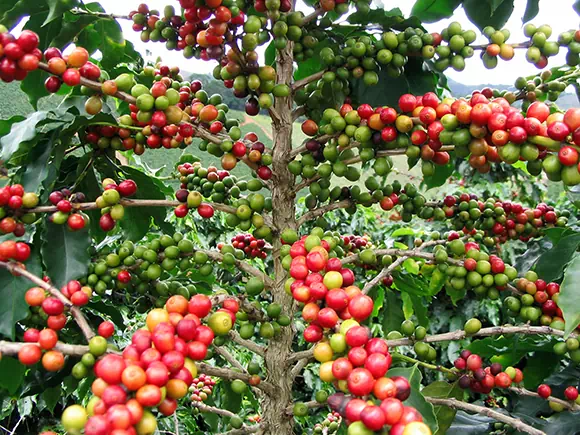
Green coffee is also part of the international supply chain. Italy does not grow coffee on an industrial scale due to its climate, so its roasting industry relies on coffee bean imports from producing countries. According to the International Coffee Organization, Italy was one of the largest importers of green coffee in Europe. Every cup of coffee, therefore, has traveled a much longer journey than it might seem. The beans are grown, harvested, processed, dried, transported, imported, cleaned, roasted, ground, and only then used to make the beverage.
Green Coffee Day and the Environment
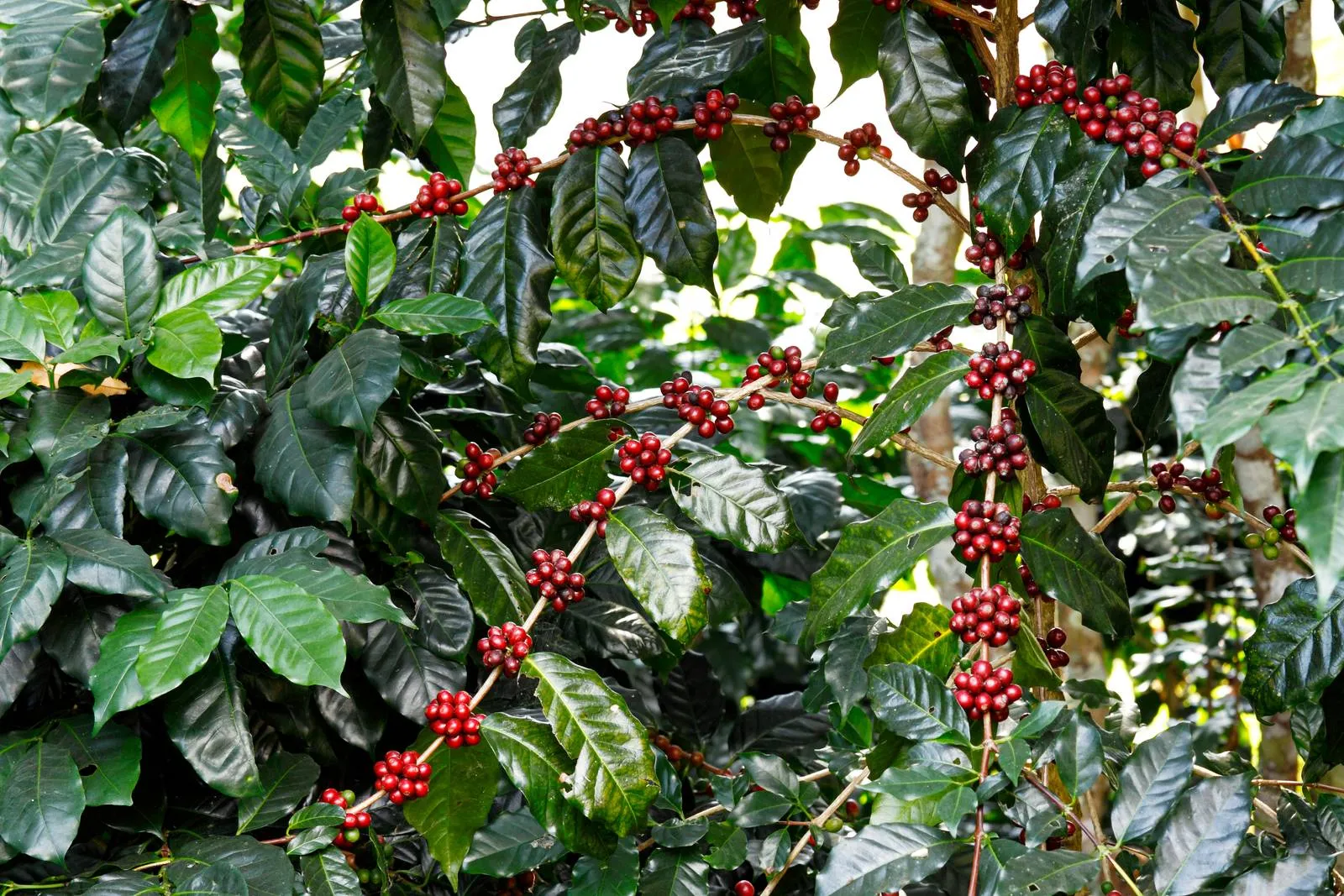
The name of this holiday fits well into the current conversation about sustainability in the coffee industry. The cultivation, transportation, roasting, and packaging of coffee involve the use of resources and generate emissions. That’s why producers and coffee brands are increasingly talking about responsible supply chains, reducing environmental impact, and supporting farmers.
At the same time, it’s important not to lump different initiatives together. The first Green Coffee Day, organized by Co.ind in 2009, was billed specifically as a professional gathering of suppliers, where they discussed green coffee, technology, quality, and the company’s future plans. Environmental projects involving coffee emerged and developed separately in various companies and countries.
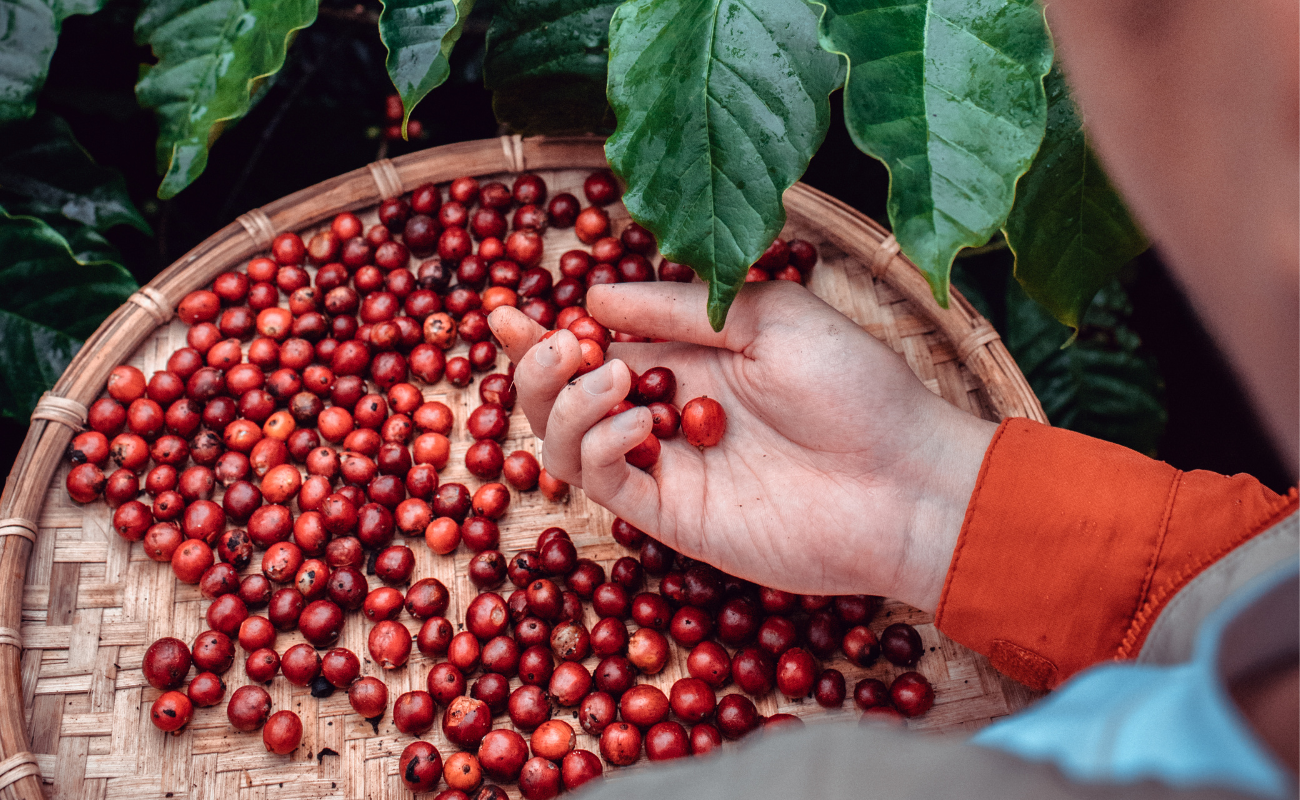
For example, in 2022, the coffee company Julius Meinl announced a forest restoration project in Tanzania. As part of the initiative, through the Jane Goodall Institute, the plan was to plant trees with the participation of establishments that use certified and sustainable coffee blends. The goal was, in particular, to offset a portion of carbon emissions and support environmental conservation efforts. Such examples demonstrate why the topic of “green” coffee has broader significance today. It’s no longer just about the color of the bean, but also about how responsibly the entire supply chain operates—from cultivation to the cup. For the coffee industry, this encompasses working with farmers, resource use, packaging, and transportation.
Is Green Coffee Good for You?
A separate topic that often comes up regarding green coffee is its potential health benefits. Unroasted beans contain more chlorogenic acids than roasted coffee. It is these compounds that are often mentioned in studies of green coffee extract. Chlorogenic acids belong to the polyphenol family and have antioxidant properties. Researchers are studying their potential effects on metabolism, blood glucose levels, blood pressure, and other indicators. But this does not mean that green coffee can be called a remedy or a universal weight-loss product.
Studies yield varying results, and many focus specifically on concentrated extracts rather than the ordinary beverage made from green beans. For example, a 2019 systematic review of randomized trials noted that there is still insufficient evidence regarding the effect of green coffee extract on obesity to draw definitive conclusions. Another 2020 meta-analysis found a statistically significant reduction in body weight, body mass index, and waist circumference in groups that received green coffee extract. At the same time, the authors emphasized the need for additional high-quality studies. Therefore, popular claims about the “fat-burning” properties of green coffee should be treated with caution. It is an interesting subject of scientific research, but not a magic drink for rapid weight loss.
What Does Green Coffee Taste Like?
If you simply take green beans and brew a drink from them, it will be nothing like the espresso we’re used to. It lacks that rich aroma of roasted coffee that we experience in a regular cup. The flavor can be much lighter, grassy, and less pronounced. The reason is simple—most of the coffee aromas we’re familiar with develop during the roasting process. Under the influence of high temperatures, complex chemical processes occur within the beans, forming their characteristic aroma, color, and flavor profile.

The roast level also matters. Light, medium, and dark roasts yield different results, so the same green coffee can take on a completely different character depending on the temperature profile used. That’s why a roaster’s job isn’t just to “roast the beans.” You need to control the temperature, time, and other parameters to bring out the best qualities of a particular coffee.
How to Celebrate Green Coffee Day
This day doesn’t have as many established traditions as, for example, International Coffee Day. First and foremost, it can be seen as an opportunity to learn more about coffee and its production. For professionals, it can be a day for meetings, tastings, and discussions about the origin of the beans and roasting techniques. For everyday coffee lovers, the occasion is much simpler. You can stop by your favorite coffee shop, order an espresso or filter coffee, and ask where the beans come from. Many coffee shops today list the country of origin, variety, processing method, and roast level.

Another option is to try coffee with different roast levels. For example, compare a light roast with a darker roast from the same origin. This is a good way to experience just how much the roasting process affects the flavor. And if you want to celebrate the day in an “eco-friendly” way, you can focus on your own consumption habits. For example, use a reusable cup, sort your waste, avoid taking extra disposable tableware, or choose products from companies that are transparent about the responsible sourcing of their coffee.
Interesting Facts About Green Coffee
Green coffee isn’t actually a separate variety. It’s the term used for coffee beans before roasting. In other words, the beans that are currently stored in their green form will, after roasting, become the brown coffee we see in stores.
The color may vary. Beans can have a greenish, grayish, or even yellowish tint depending on the variety, processing method, and condition of the bean. Therefore, the name “green coffee” does not mean that every bean will be bright green.
Green coffee contains more chlorogenic acids. Some of these compounds break down or change during roasting. This is precisely why unroasted coffee has become the subject of specific studies in the fields of food science and nutrition.
Green coffee requires proper processing. It is important for the producer to clean the beans, store them correctly, and prevent moisture or foreign contaminants from entering. In 2009, Co.ind even unveiled a special 26-meter-long facility for receiving, cleaning, storing, and blending green coffee.
Italy is one of the key hubs of the coffee industry, even though coffee is hardly grown there. The country’s secret lies in its roasting culture, espresso production, and the large number of companies that work with imported green beans.
Green Coffee Day and International Coffee Day fall on different dates. September 23 is associated with Giornata del Caffè Verde in Italy, while International Coffee Day is celebrated on October 1.
Why Green Coffee Is Gaining More Attention
Coffee has long ceased to be just a beverage. There is a vast international industry surrounding it, bringing together farmers, exporters, importers, roasters, baristas, and coffee shops. That’s why the quality and origin of the beans are just as important as the taste of the finished espresso. In recent years, the issue of sustainable production has also come to the forefront. Climate change, soil conditions, water availability, and farmers’ working conditions can all influence the future of the coffee industry. That is why companies are increasingly launching programs for responsible sourcing, farmer support, and environmental conservation projects.
Environmental initiatives can take many forms. They may include reducing plastic use, switching to alternative packaging, composting coffee grounds, cutting emissions, or participating in reforestation programs. For example, some coffee companies link their sustainable production programs to planting trees in coffee-growing countries. Therefore, Green Coffee Day can be seen as more than just another date for coffee lovers. It’s an opportunity to remember that an ordinary cup of coffee has a long history and a complex journey to the consumer.
How to Do Your Part
You don’t have to be a major coffee producer to make your coffee consumption a little more responsible. You can start with simple steps that barely change your usual lifestyle. For example, use a reusable cup instead of a disposable one, avoid unnecessary plastic accessories, and sort packaging whenever possible. You can also take an interest in where your coffee comes from. If the package lists the country, region, farm, or cooperative, it helps you better understand where the beans came from. And if the producer provides information about their sourcing practices and environmental programs, you can make a more informed choice.

Another simple option is to not buy more coffee than you’ll actually drink. This applies not only to coffee but to any product. Conscious consumption helps reduce unnecessary waste and the resources spent on producing goods. Ultimately, Green Coffee Day serves as a good reminder of a simple truth: your favorite drink doesn’t start with a coffee machine. First comes the plant, then the harvest, the green beans, the long supply chain—and only then does the roasting and a cup of aromatic coffee follow. So on September 23, you can do more than just drink coffee—you can also reflect on where it comes from and how many people work to ensure it ends up on our table.




