
Daily Maverick publishes column on climate and environmental threats in South Africa
In South Africa, Daily Maverick published a column on the impact of human activity on the climate, ecosystems and the future of other living creatures. The author recalls the words of naturalist David Attenborough from the documentary series Life on Earth that humanity is responsible not only for its own future, but also for the fate of all creatures with which it shares the planet.
From the ozone hole to global warming
The text cites the recovery of the ozone layer after global bans on chemicals that released chlorine and bromine into the atmosphere. The author calls this evidence that joint international action can protect people and other species.
At the same time, the column warns against conflating the concepts of weather and climate. As noted, a single cold day or a snowy week can neither confirm nor disprove global warming, since climate is determined by average weather indicators over many years.
Among the examples of change is viticulture in France: grape growing is gradually shifting northward as traditional southern wine-producing regions become hotter and drier. Rising temperatures and severe droughts are also changing the characteristics of wines.
More current news is available on the UA.News Telegram channel Telegram.
Pressure on natural systems
The author refers to a UN assessment according to which the Earth will soon cross the 1.5°C warming threshold set by the Paris Agreement. The article also mentions debates surrounding climate policy in the United States, including criticism of environmental activists by supporters of active oil and gas extraction.
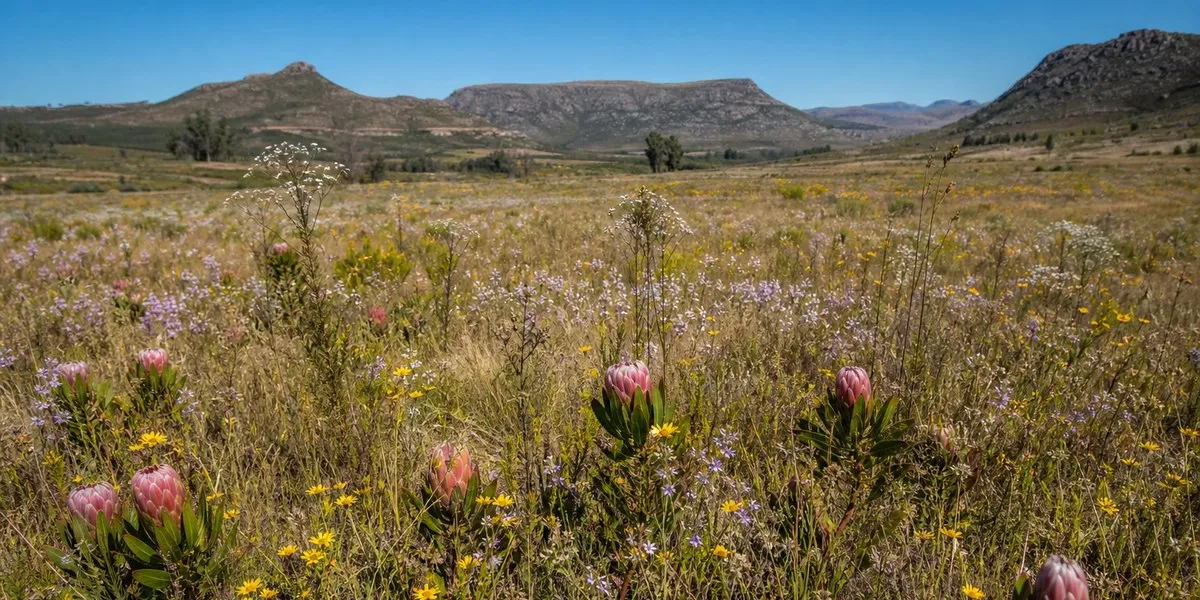
The column draws attention to the consequences of developing meadows, destroying wildflowers along roads and turning lawns into a status symbol. In the author’s view, such actions deprive bees and butterflies of food, fragment animal habitats and harm the systems on which healthy soils, clean air and stable food supplies depend.
Other threats cited include cutting down old forests for timber and palm oil, draining wetlands for housing construction, polluting rivers and oceans with plastic and wastewater, and burning fossil fuels.




