
June 24th Holiday: Summer Solstice Day is celebrated in Great Britain
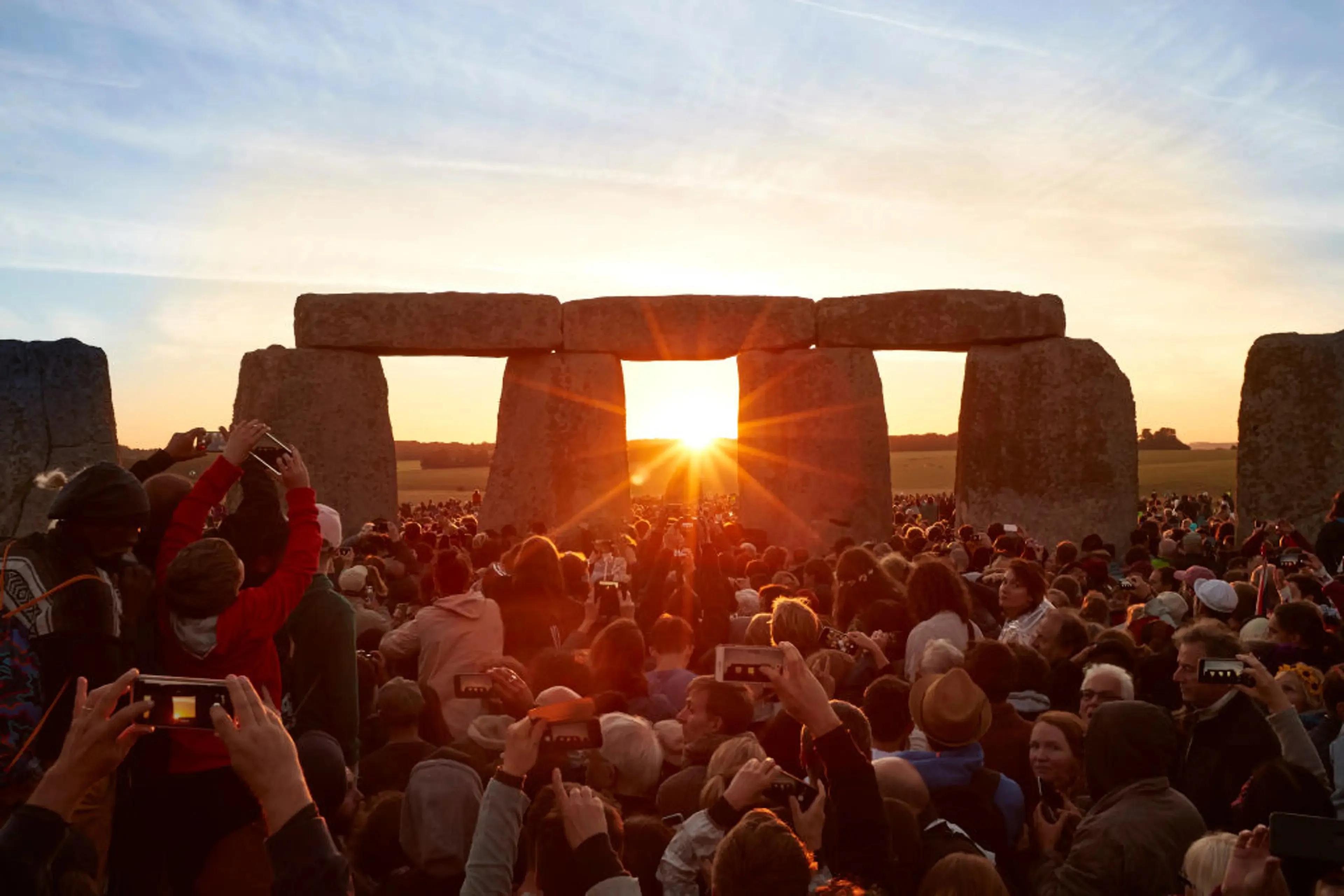
The summer solstice in the United Kingdom is one of the most famous natural and cultural events of the year. On this day, the country’s residents experience the longest day and the shortest night, and thousands of people gather at Stonehenge to watch the sunrise over the ancient stone complex. Although the actual astronomical solstice in 2026 fell on June 21, festive celebrations and themed events in some regions continue for several days after that date.
The summer solstice is considered one of the oldest festivals in the British Isles. It was celebrated long before the emergence of modern states and even before the arrival of Christianity. For ancient peoples, it was a special day that symbolized the power of the sun, the blossoming of nature, abundance, and the beginning of a new phase of summer.

People observed the sun’s movement, held ceremonies, lit bonfires, and performed rituals associated with fertility and the coming harvest. Many historians believe that it was precisely because of the importance of the solstice that certain megalithic structures were built, notably Stonehenge, which is oriented toward the sunrise on this day. The very name “solstice” comes from the Latin word solstitium, meaning “the sun stands still.” This is how ancient astronomers explained the moment when the sun seems to pause at the highest point of its annual path before the days begin to gradually shorten.
When Is the Summer Solstice Celebrated?
Many people mistakenly believe that the holiday falls on June 24. In fact, the astronomical summer solstice in the United Kingdom occurred on June 21, 2026, at 9:24 a.m. British Summer Time. This moment marked the official start of astronomical summer in the Northern Hemisphere.
However, in many communities, festive events are held not only on June 21. Concerts, festivals, fairs, and themed gatherings can last for several days in a row. That is why calendars sometimes mention celebrations on both June 23 and June 24. In ancient times, this festive period was often associated with the midsummer celebration—Midsummer—so the traditions frequently intertwined.
Why Is Everyone Talking About Stonehenge?
When it comes to the summer solstice in Great Britain, one of the world’s most famous landmarks—Stonehenge—is the first to come to mind. Every year, thousands of people come here to watch the sunrise on the longest day of the year.
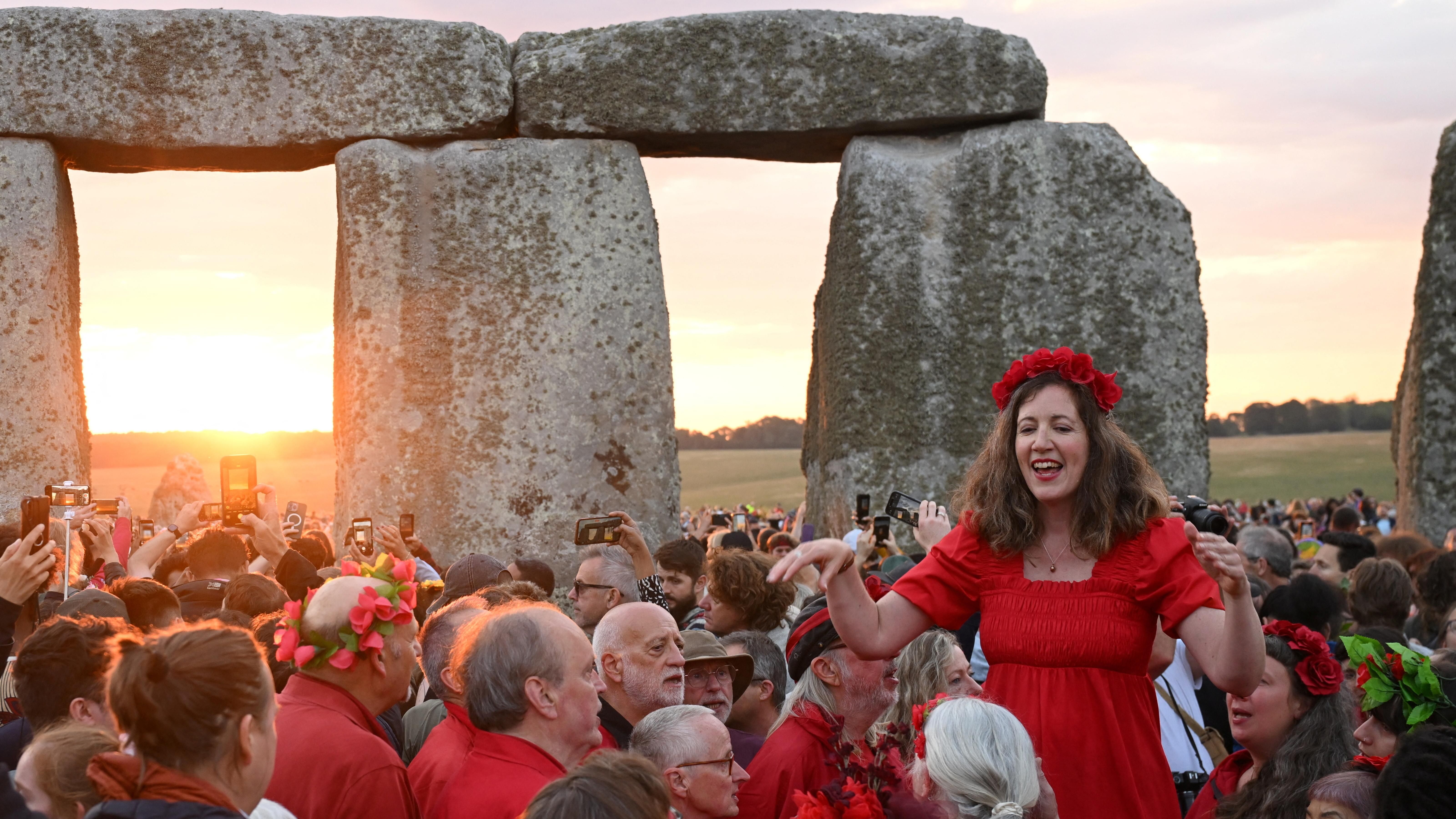
What makes the site unique is that its stones are arranged so that, during the summer solstice, the sun rises directly above the so-called Heel Stone. This phenomenon can only be observed at a specific time of year. That is why many researchers believe the structure was built using astronomical knowledge. For many Britons, a trip to Stonehenge for the solstice has become a true tradition. On this night, people sing, dance, play drums, socialize, and simply wait for the first ray of sunlight. The special atmosphere makes the event both a festival and an ancient ritual.
How the British Celebrate the Longest Day of the Year
Not everyone goes to Stonehenge. In different parts of Great Britain, people celebrate in their own ways. Some head out into nature, while others organize picnics, beach parties, or family barbecues. Many cities host open-air music festivals and cultural events.
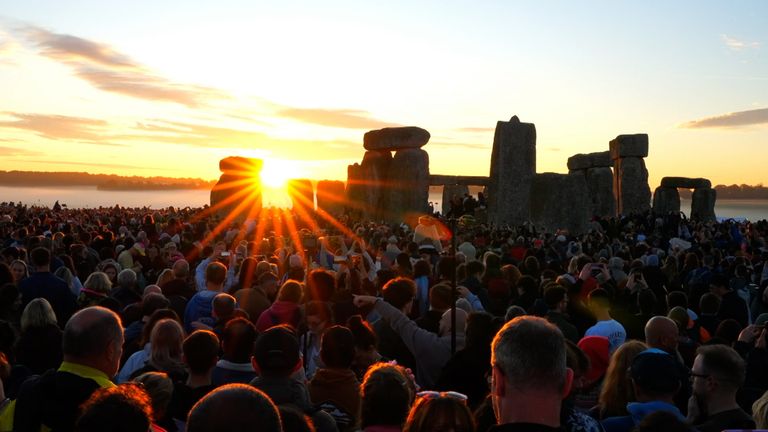
Walks at dawn remain popular. Some people wake up in the middle of the night specifically to watch the sun rise on the hills, by the coast, or at historic sites. Every year on social media, Brits post thousands of photos of sunrises and sunsets on the day of the solstice. For members of neo-pagan communities, Druids, and followers of ancient traditions, this day also holds spiritual significance. They hold ceremonies to give thanks to nature, engage in meditation, and perform symbolic rituals related to the sun and the changing of the seasons.
Interesting Facts About the Summer Solstice
On the day of the summer solstice, Britain receives the greatest amount of daylight of the entire year. In some northern regions of the country, daylight lasts nearly 19 hours. Although it is the longest day of the year, it is by no means always the hottest. The highest temperatures usually occur a few weeks later, in July or August. This is because the land and the ocean continue to store heat even after the solstice.

It is also interesting to note that archaeologists recently discovered another ancient structure near Stonehenge, dating back about five thousand years, which was also oriented toward the summer and winter solstices. Researchers believe it may have been a kind of precursor to the famous stone complex.
A Celebration of Light and Summer
The summer solstice in Great Britain is more than just an astronomical event. For many people, it has become a symbol of the beginning of true summer, an opportunity to spend more time in nature, and to celebrate traditions that have existed for thousands of years.
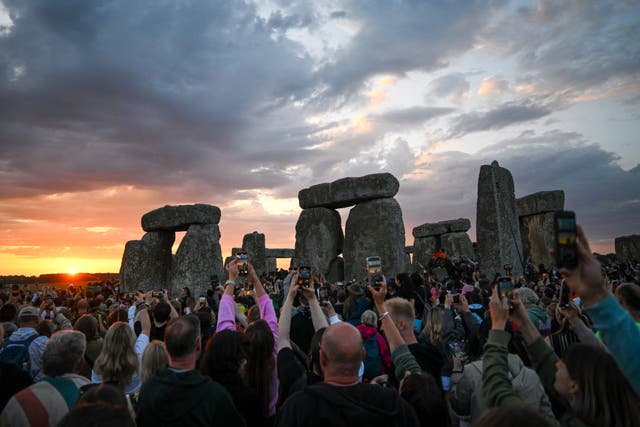
Even in today’s world, where life depends not on the sun’s movement but on calendars and technology, the longest day of the year continues to bring people together. And every year, thousands of Britons greet the sunrise just as their ancestors did many centuries ago—with the feeling that summer has finally arrived.


