
Holiday on August 6, 2026 — Bolivia's Independence Day: The country celebrates its 201st anniversary
On August 6, Bolivia celebrates Independence Day. It was on this day in 1825 that the country declared its independence from long-standing Spanish colonial rule and began its history as an independent nation. In 2026, Bolivia will celebrate the 201st anniversary of its independence, and the date itself remains one of the country’s major national holidays.
Bolivia’s Independence Day falls on August 6 every year. In 2026, the holiday will fall on a Thursday, and the following day, August 7, has also been declared a day off. This is stipulated in Bolivia’s official calendar of public holidays for 2026. For Bolivians, this is one of the most important dates of the year. In the country, it is also known as Fatherland Day—Día de la Patria. This day commemorates the declaration of independence on August 6, 1825, when representatives of Upper Peru decided to establish a separate state, independent from Spain and other neighboring countries.

In 2025, the celebration was particularly grand, as Bolivia marked the 200th anniversary of its independence. The main events took place in Sucre—a city directly linked to the declaration of independence. In 2026, the country will mark its 201st year of independence, but the tradition of holding large-scale government, cultural, and community events continues.
The Origins of the Holiday
The history of Bolivia’s independence began long before 1825. At that time, the territory of the modern-day country was part of the Spanish colonial system and was known as Upper Peru. The region was part of the Viceroyalty of the Río de la Plata and later came under the control of the Viceroyalty of Peru. The Spanish authorities controlled political life, the economy, and trade. The local population suffered under the colonial system, and ideas of self-government and independence gradually gained popularity. In the early 19th century, uprisings against the Spanish Crown broke out throughout South America.
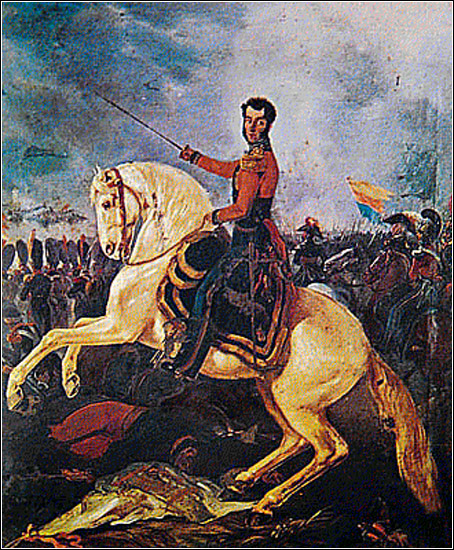
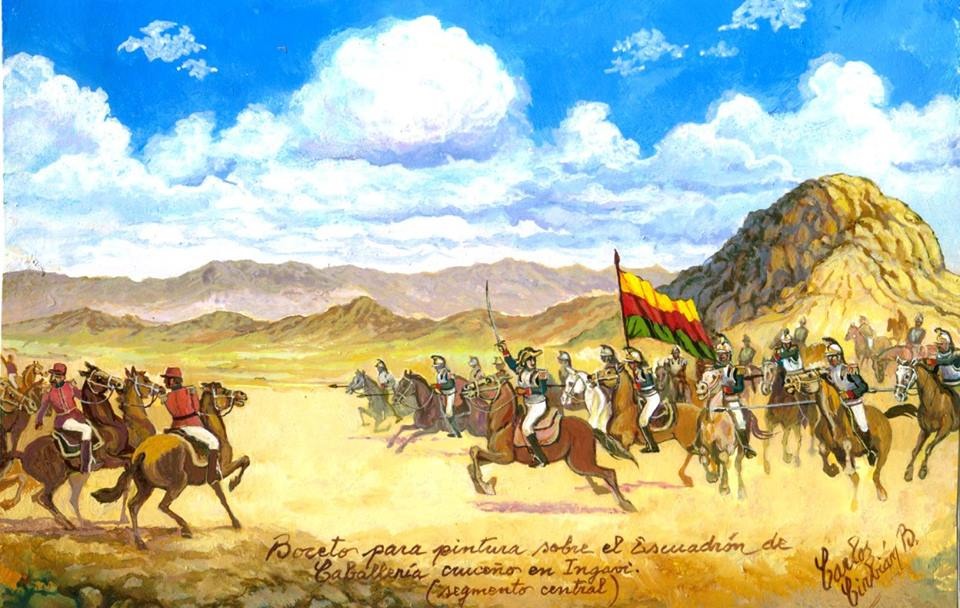
One of the key dates in the history of what would become Bolivia was July 16, 1809. On that day, an uprising against Spanish rule took place in La Paz. It was one of the first major uprisings in the region, although the Spanish managed to suppress it. The struggle lasted for years. Independence did not come all at once after a single battle. According to official Bolivian sources, the liberation process lasted from approximately 1809 to 1825. Local rebels, military and political leaders took part in it, and later, the liberation armies of Simón Bolívar and Antonio José de Sucre played an important role.
How Bolivia Gained Independence
The decisive phase of the struggle took place in 1824–1825. In December 1824, the Battle of Ayacucho took place in what is now Peru. The victory of the forces opposing Spanish rule effectively shattered Spain’s main military power in South America. Following this victory, troops under the command of Antonio José de Sucre marched to Upper Peru. Local political leaders were faced with a crucial question: what to do with the territory now that Spanish control had weakened.

In 1825, a representative congress convened in Chukisaca. It faced several options for the future: join other states in the region, maintain ties with Peru, or establish a fully independent country. Ultimately, the third option prevailed. Representatives of the territories decided that Upper Peru should become an independent state. On August 6, 1825, a declaration of independence was adopted. It is this date that became the basis for Bolivia’s modern Independence Day.
Why the Country Was Named Bolivia
The country’s name is linked to a man who became one of the main symbols of the South American liberation movement—Simón Bolívar. This Venezuelan political and military leader fought to liberate several countries on the continent from Spanish rule. Initially, the new state was to be named the Republic of Bolívar. This was a direct tribute to Bolívar. Later, the name was changed to Bolivia.
Bolivar himself was not initially in favor of creating a separate state in this territory. However, he later accepted the decision of local representatives and supported the new country. In his honor, the country was named after him, a name that remains one of the most famous national symbols of the South American liberation movement to this day. Interestingly, another name associated with the country is linked to a different key figure in the independence movement. The city of Sucre was named after Antonio José de Sucre—a military leader and one of the main participants in the struggle for independence.
Why August 6?
The date of August 6 is associated not with the start of the War of Independence, but with its political outcome. It was on this day in 1825 that representatives of Upper Peru officially declared independence. This is significant because the struggle for freedom lasted more than 15 years. Uprisings, military campaigns, and political changes took place throughout this entire period, and August 6 became the date that symbolically capped off this long process.
In Bolivian historical memory, this date is associated with the idea of sovereignty. Therefore, during the celebrations, people speak not only about the specific document from 1825 but also about all those who participated in the liberation movement. Independence Day has also become a sort of birthday for the nation. That is why official ceremonies, cultural events, concerts, parades, and other activities take place in Bolivia throughout August.
How Bolivia Celebrates Independence Day
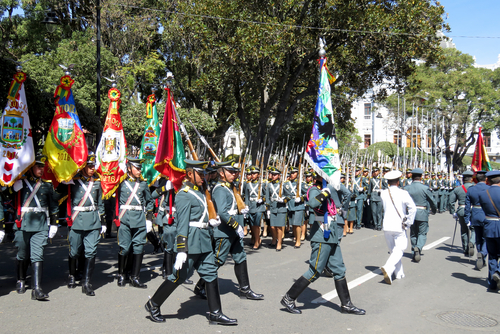
Celebrations in Bolivia combine official ceremonies with a vibrant folk culture. In cities, solemn ceremonies are held, the national flag is raised, the national anthem is sung, flowers are laid, and commemorative events take place. Civilian and military parades hold a special place in the celebrations. They feature military personnel, representatives of government agencies, civic organizations, and various regions of the country. In 2025, during the 200th-anniversary celebrations, the main events took place in Sucre, and on August 7, a large-scale military parade was held there, featuring the Army, Air Force, and Navy.

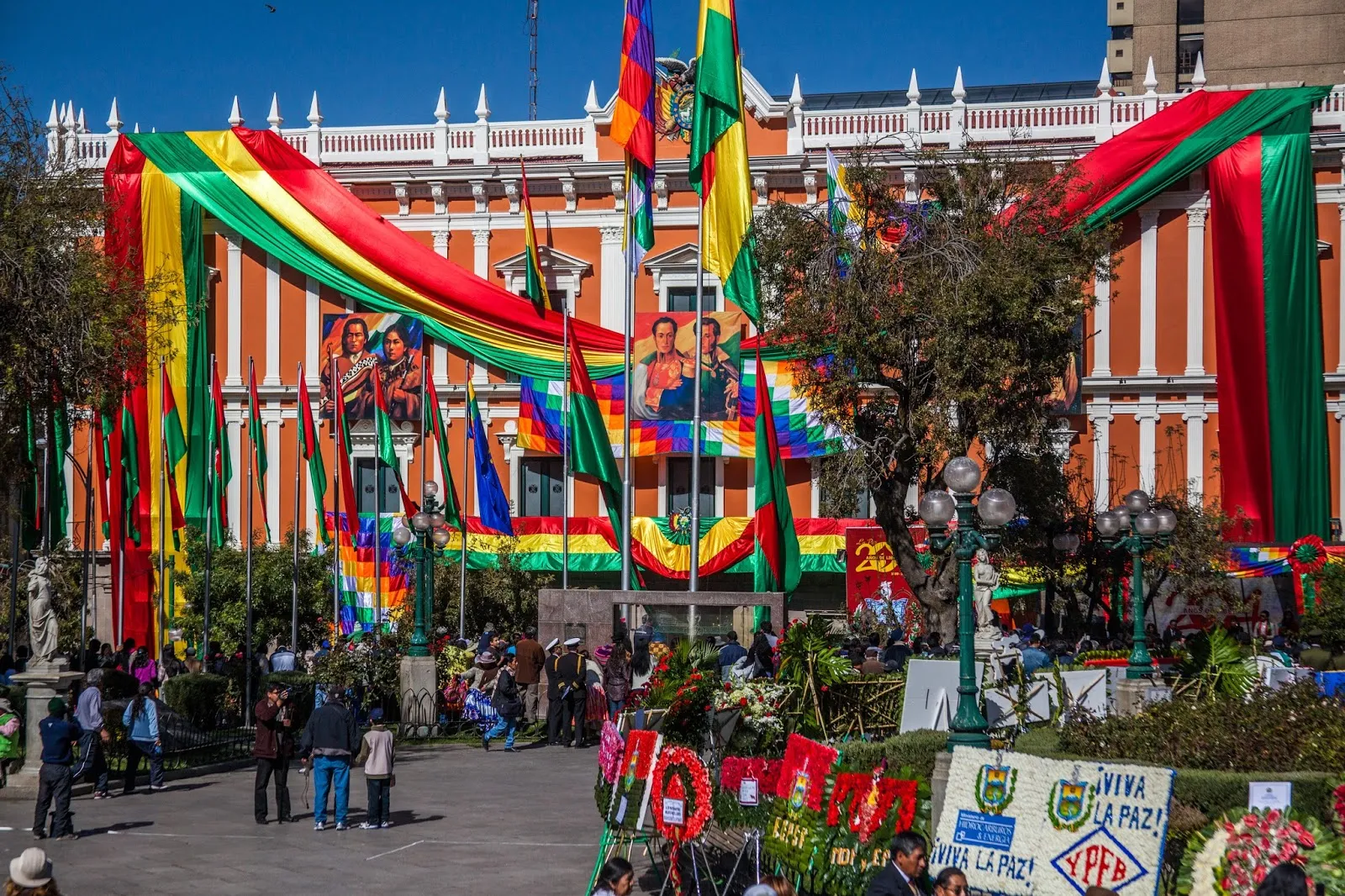
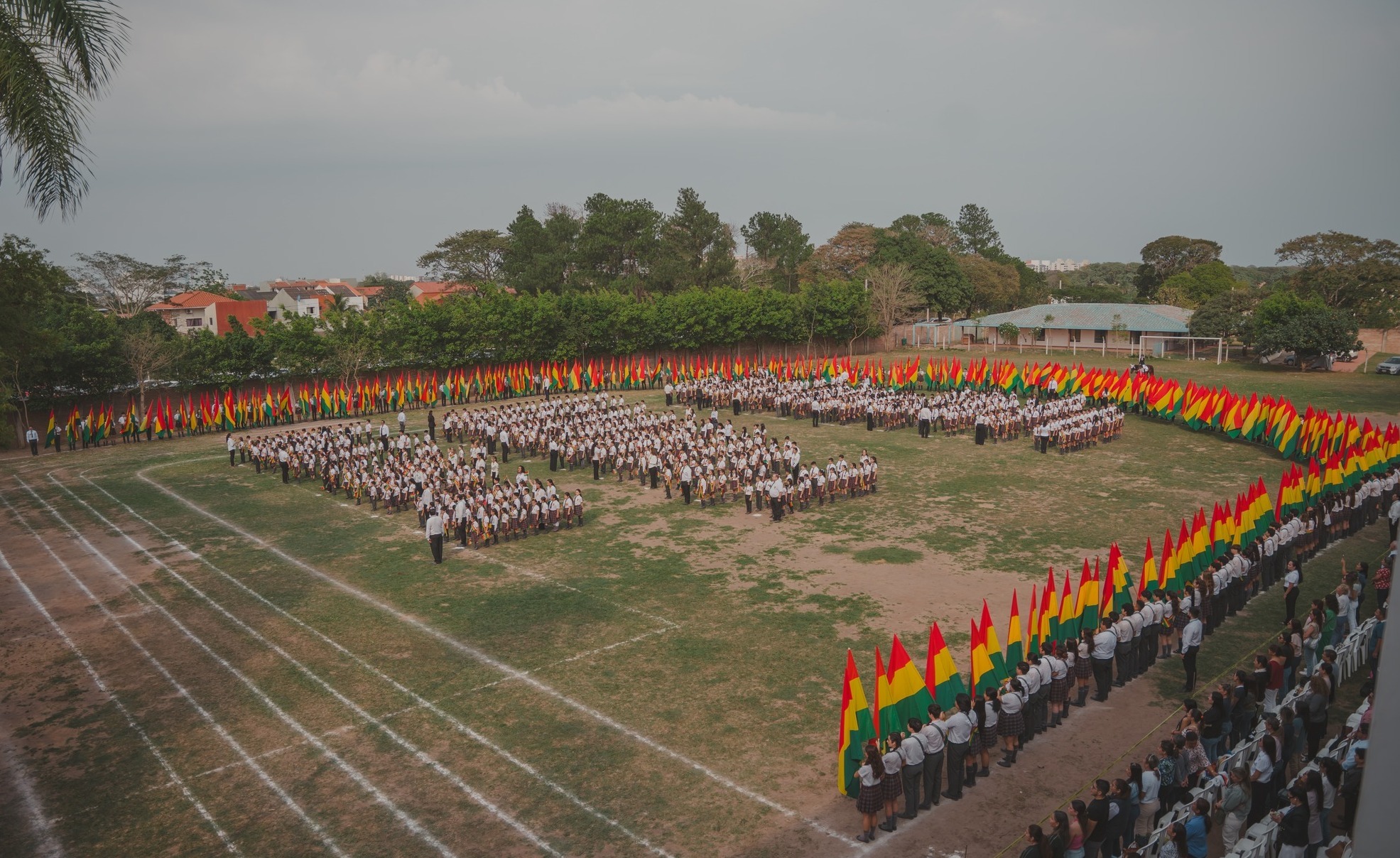
The celebration is not limited to the capital. Events take place in various departments of Bolivia, and major cities organize their own programs. This is important for a country with great cultural and ethnic diversity, as each region has its own traditions, music, dances, and cuisine. People decorate their homes, stores, and streets with national flags. During the holiday period, the Bolivian tricolor becomes particularly prominent in cities. In 2025, the government specifically called on citizens to decorate their homes and businesses with flags as a symbol of national unity.
Alongside the official ceremonies, there are concerts, performances by folk groups, dance shows, and cultural festivals. Therefore, the holiday has not only a national but also a very strong cultural character.
Sucre—the Center of the Celebrations
Sucre holds special significance. It is the constitutional capital of Bolivia and the city where independence was declared on August 6, 1825. That is why Sucre is often referred to as one of the main symbolic centers of Bolivian statehood. The city is home to the Casa de la Libertad—the House of Liberty—where the historic congress was held and independence was declared.

During the 2025 anniversary year, Sucre became the main venue for the celebrations. Representatives from various countries traveled there, and the government itself referred to the city as the place where independent Bolivia was “born.” The city hosted official meetings, concerts, cultural events, and historical programs. On the eve of August 6, 2025, more than 3,000 musicians performed in Sucre as part of a major concert marking the anniversary of independence. This shows just how closely Independence Day is tied to culture. For Bolivia, the history of the struggle for liberation is not just a topic for textbooks. It is commemorated through music, dance, traditional costumes, art, and public performances.
Music and Dance as Part of the Celebration
Bolivia has a very rich folk tradition, so national celebrations are virtually impossible without music and dance. During the festivities, groups from different parts of the country perform. In 2025, the celebration program included, among other things, the large-scale project “Bolivia Danza en el Bicentenario,” which featured dance troupes from across the country. This allowed for a showcase of the diversity of regional traditions.
The concerts feature both contemporary music and traditional folk music. The rhythms and dances of the Andean region are particularly recognizable. Among the most famous Bolivian dance traditions are the diablada, morenada, caporales, and tinka. The dances are often accompanied by vibrant costumes. These costumes blend elements of indigenous cultures, Spanish heritage, and contemporary Bolivian art. That is why the festive performances are so colorful and become an important part of the overall atmosphere of Independence Day.
The Bolivian Flag
One of the main symbols of the holiday is the Bolivian tricolor. It consists of three horizontal stripes: red, yellow, and green. This flag appeared shortly after independence was declared. It was created on August 17, 1825—just 11 days after independence was declared. That is why Bolivia’s Flag Day is celebrated on August 17.
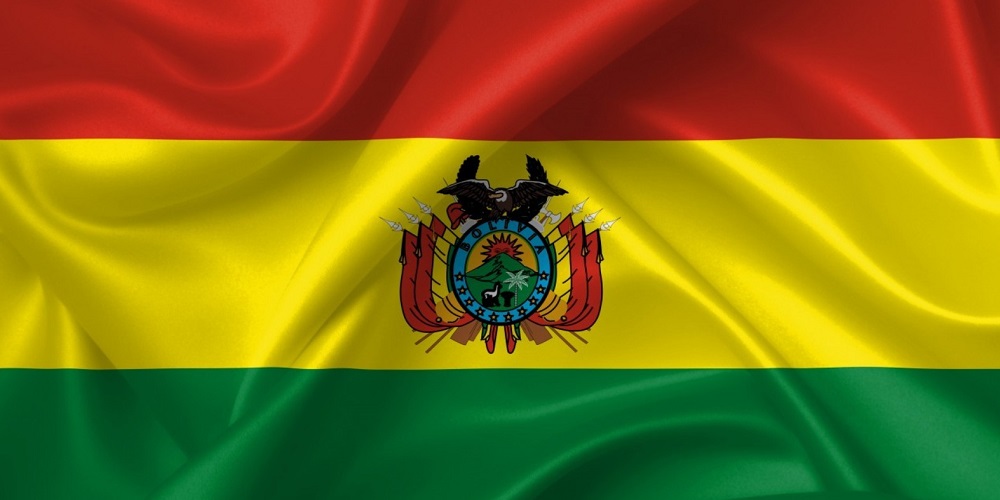
The colors of the flag have symbolic meanings. Red is associated with the blood of heroes and the struggle for freedom; yellow, with the country’s wealth and resources; and green, with nature and hope. On Independence Day, the flag can be seen practically everywhere. It is displayed on government buildings, schools, homes, and businesses. On holidays, it becomes one of the main visual symbols of the country’s unity.
The Wiphalá and Multicultural Bolivia
Modern Bolivia has another important symbol—the Wiphalá, a multicolored flag associated with the indigenous peoples of the Andes. In modern Bolivia, it holds official symbolic significance alongside the national tricolor. This reflects the country’s unique character. Bolivia is a multinational state home to representatives of various indigenous peoples, including the Aymara, Quechua, and Guaraní.
Therefore, during state events, one can see not only the red, yellow, and green colors of the national flag but also the wiphalu. For many Bolivians, it symbolizes indigenous heritage, diversity, and cultural identity. In 2025, during the 200th anniversary of independence, official events also highlighted the country’s cultural diversity. Various programs combined regional traditions, music, dance, and historical remembrance.
National Anthem
Another essential element of the celebrations is Bolivia’s national anthem. It is performed during official ceremonies, flag-raising ceremonies, and other important state events. The start of the anniversary month of August 2025 was particularly symbolic. At midnight on August 1, the national anthem was performed simultaneously in all nine departments of Bolivia, after which the festivities marking the 200th anniversary of independence began. Cities also hosted celebratory fireworks displays.

This was not merely a musical ceremony. In this way, the government sought to kick off the month of celebrations simultaneously across the entire country. Such events demonstrate just how important the very idea of national unity is to Bolivians.
What Are the Traditions of the Celebration?
One of the main traditions is the public singing of the national anthem and the raising of the flag. Representatives of the government, the military, schoolchildren, civic organizations, and ordinary residents take part in these ceremonies. Another tradition is laying flowers at monuments to the heroes of independence. This is how people who took part in the struggle for liberation are honored. During official ceremonies, speeches are also given about the country’s history and its future.

Parades play an important role. They can be civilian, cultural, or military. Representatives from various regions take part in them, and local cultural characteristics are often reflected in the costumes and musical performances. Concerts and folk performances are also a staple of the celebrations. This is particularly important for Bolivia, as the country’s culture is very diverse. The celebrations provide an opportunity to showcase the traditions of different peoples and regions to a wide audience.
What People Eat on Independence Day
National holidays in Bolivia are also closely tied to cuisine. During this time, families gather around the festive table, and city events feature fairs and food stalls serving traditional dishes. Bolivian cuisine is very diverse, having been influenced by the indigenous traditions of the Andes, the Spanish heritage, and the cultures of various regions. Popular dishes include saltenas, silpancho, llihua, api, and various types of meat and soups.
Certain dishes are particularly popular in specific regions. For example, saltenyas have become one of the most famous symbols of Bolivian cuisine. These are small baked pastries with fillings, often eaten in the morning or as a snack. During major holiday celebrations, food becomes part of the overall atmosphere. People not only watch concerts and parades but also spend time with family and friends, sample traditional dishes, and buy local products.
Interesting Facts About Bolivia’s Independence
Independence was declared on August 6, 1825. This date became the country’s main national holiday.
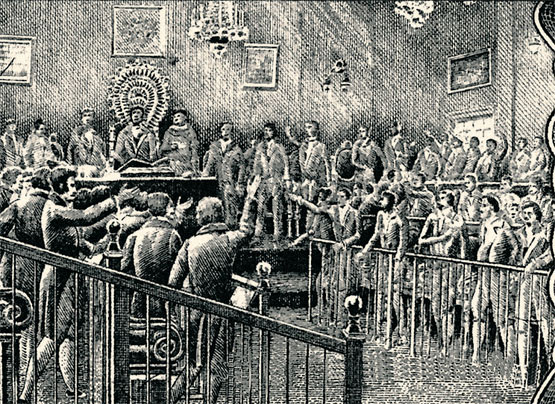
In 2025, Bolivia celebrated 200 years of independence. The anniversary celebrations lasted throughout the year, with the main events taking place in Sucre.
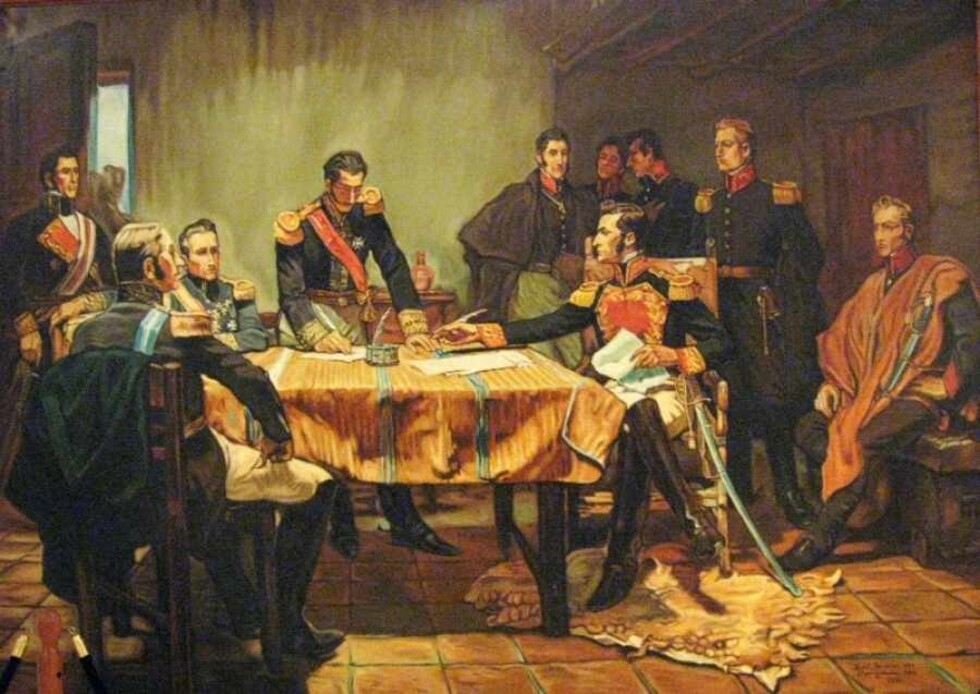
The liberation process lasted about 16 years. In Bolivian historiography, it is often dated from the uprisings of 1809 to the declaration of independence in 1825.

The country’s name comes from the surname of Simón Bolívar. Initially, the new state was to be called the Republic of Bolívar, but the name was later changed to Bolivia.

The flag was designed after independence was declared. This took place on August 17, 1825, 11 days after independence was declared. That is why Flag Day is celebrated in Bolivia on August 17.

Sucre holds special significance in the country’s history. It was here that independence was declared, and the city remains Bolivia’s constitutional capital to this day.
After gaining independence, Bolivia was named in honor of Bolívar, but its capital was named after Sucre. Thus, the names of the country and its constitutional capital preserve the memory of two key figures of the liberation movement.
2025 was a special year for Bolivia
The previous Independence Day was exceptional for the country. On August 6, 2025, Bolivia celebrated the 200th anniversary of its independence. The main events took place in Sucre, where foreign delegations and representatives from various countries gathered. Planning for the program began long before August. Cultural competitions, concerts, exhibitions, educational projects, and historical events were held throughout the country. The government even launched a special program called “200 Days Until the Bicentennial” to gradually build up to the main event.

On the eve of the holiday, thousands of musicians performed in Sucre. Large-scale cultural programs dedicated to dance and Bolivian history were also held. On Independence Day itself, a ceremonial flag-raising, an official session, and other state ceremonies were scheduled. The following day, August 7, a military parade took place. It was particularly symbolic, as it was on August 7, 1825—the day after independence was declared—that the Bolivian Armed Forces were established. In 2025, they also celebrated their 200th anniversary.
How August 6 Will Be Celebrated in 2026
In 2026, Bolivia will celebrate the 201st anniversary of its independence. While this is no longer the bicentennial milestone, August 6 remains a national holiday and an official day off. According to the 2026 holiday calendar, Thursday, August 6, is Bolivia’s Independence Day, and Friday, August 7, has also been declared an additional day off. This provides the country’s residents with a longer holiday period.
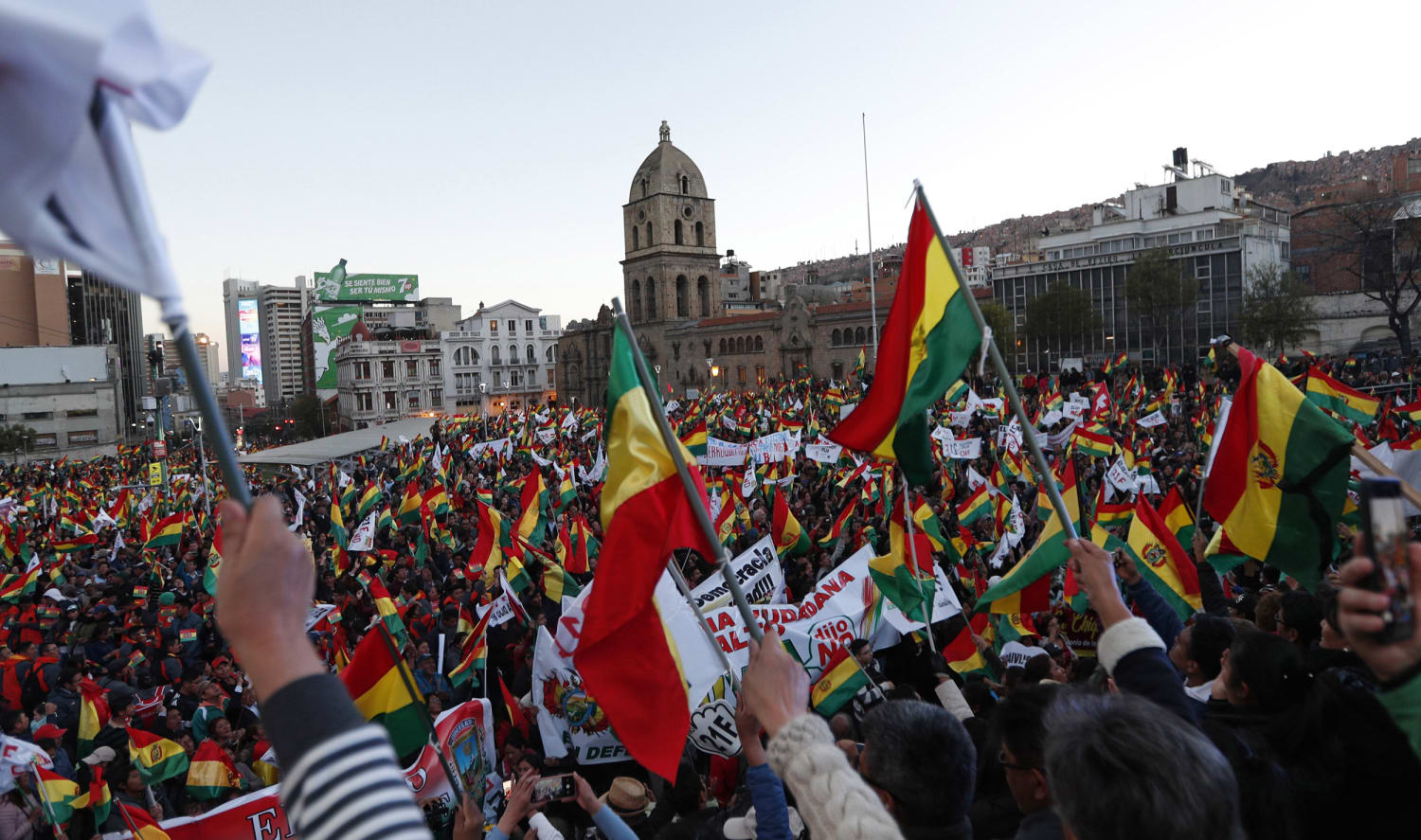
As expected, state ceremonies, flags, the national anthem, cultural programs, and public events will play a central role in the celebrations. Traditionally, the August festivities take place across various regions of the country, not just in Sucre and La Paz. Following the large-scale Bicentennial in 2025, this year’s celebration will no longer carry the status of a bicentennial. But for Bolivia, it is still an important date—the country is entering the third century of its independent history.
Why Independence Day Is Important for Bolivia
For Bolivians, August 6 is not just the date on which an important document was signed several centuries ago. It is a day that serves as a reminder of the long journey from a Spanish colony to an independent nation. The celebrations blend history and the present. They honor the struggle for liberation, the heroes of independence, and Simón Bolívar, while also featuring music, dancing, traditional costumes, food, and modern cultural events.

The holiday also highlights just how diverse Bolivia itself is. The country is home to various ethnic groups, there are dozens of cultural traditions, and each region has its own history. That is why, on Independence Day, the aim is not to present a single “official” Bolivia, but rather the country in all its cultural diversity. Sucre holds a special place—it is the city where, on August 6, 1825, the key political step toward the creation of an independent state was taken. That is why the celebrations here have a special atmosphere: historic buildings, flags, solemn ceremonies, and cultural performances serve as a reminder that more than two centuries ago, a new chapter in the country’s history began right here.

Thus, on August 6, 2026, Bolivia will mark the 201st anniversary of its independence. For the country, this is an occasion to reflect on the struggle for freedom, honor those who fought for it, and showcase modern Bolivia—multicultural, musical, and incredibly diverse. And the main symbol of this day remains the idea of a nation that, more than two centuries ago, decided to determine its own future.


