
September 8, 2026 Holiday — North Macedonia’s Independence Day: History and Traditions
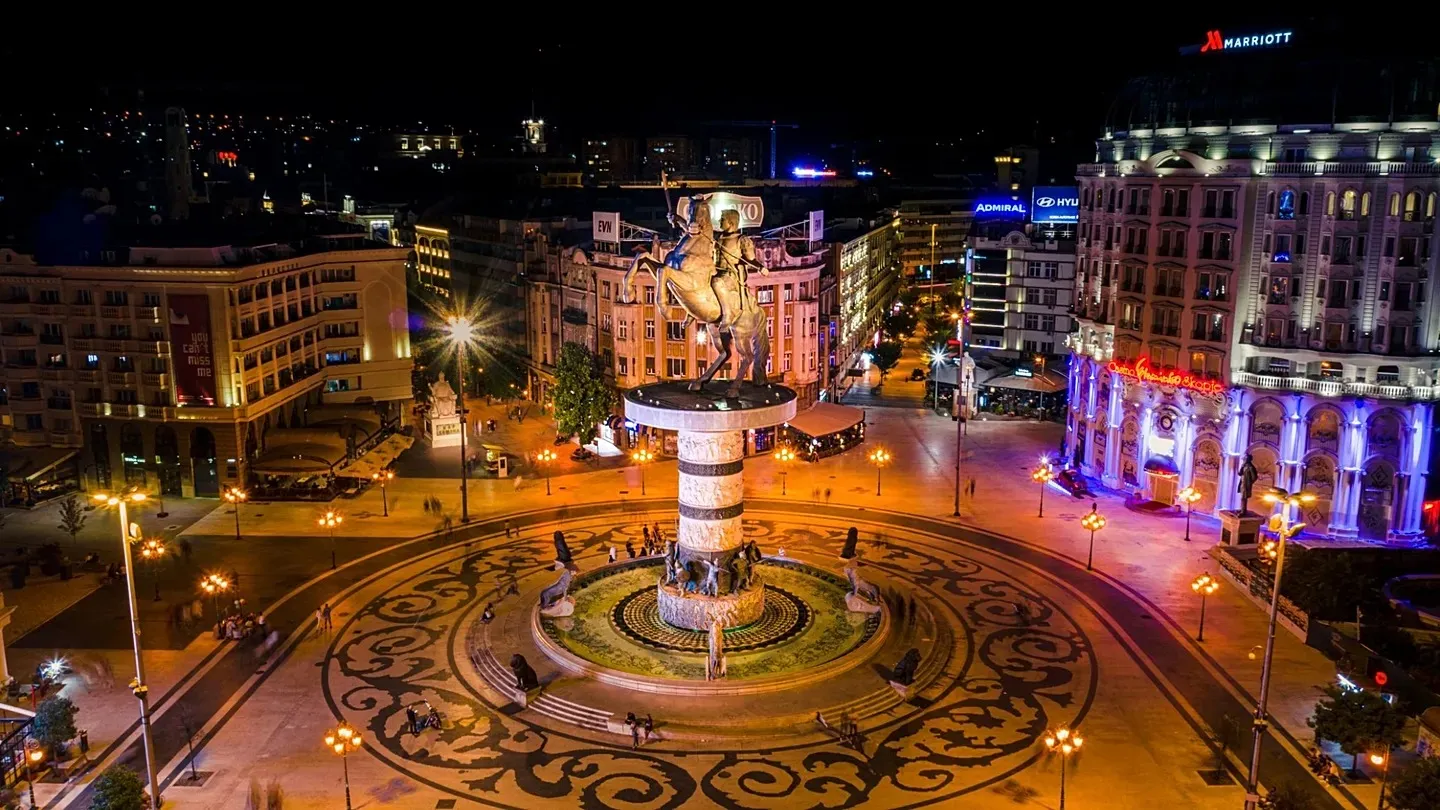
On September 8, North Macedonia celebrates Independence Day—one of the country’s major national holidays. It was on this day in 1991 that citizens voted in a referendum to establish a sovereign and independent state. In 2026, the holiday falls on a Tuesday and will mark the 35th anniversary of that historic vote.
North Macedonia’s Independence Day is celebrated annually on September 8. It is an official national holiday commemorating the 1991 referendum, which marked a key step toward the republic’s secession from Yugoslavia. In 2026, September 8 falls on a Tuesday. This year, the country will mark 35 years since its citizens voted for independence.

For North Macedonia, this date holds not only political but also symbolic significance. It commemorates the moment when the country’s future was determined for the first time not by the decision of an external power or the federal leadership, but through a vote by its citizens. The holiday also marks the beginning of a new chapter in the country’s history. After the breakup of Yugoslavia, Macedonia became one of the republics that began building their own independent states.
How Independent Macedonia Came to Be
Until 1991, Macedonia was one of the six republics of the Socialist Federal Republic of Yugoslavia. In the late 1980s, the federation was undergoing a serious political and economic crisis. Communist regimes were falling across Eastern Europe, and in the Yugoslav republics, discussions about the federation’s future were becoming increasingly active. Macedonia also began transitioning to a multiparty political system. In 1990, the first multiparty elections were held here, after which a new parliament and government were formed. This marked an important step toward the republic’s independent political life.

On August 6, 1991, the parliament passed a resolution to hold a referendum on sovereignty and independence. Citizens were asked whether they supported an independent Macedonia with the possibility of joining a union of sovereign states of Yugoslavia in the future. The vote took place on September 8, 1991. More than 95% of those who participated in the referendum voted “yes.” According to data from the North Macedonian parliament, 95.09% of voters cast a “yes” vote.

That same evening, in the center of Skopje, people spontaneously gathered in the square to celebrate the results. The first president of independent Macedonia, Kiro Gligorov, addressed the citizens and congratulated them on the referendum’s outcome. The State Archives of North Macedonia preserve accounts of this massive evening gathering as one of the symbolic moments marking the birth of the independent state.
What Happened After the Referendum
The referendum was the main event, but independence did not come into legal effect overnight. Following the vote, on September 18, 1991, parliament officially confirmed the results of the referendum and the citizens’ will to establish a sovereign state. The next important step was the adoption of a new Constitution. Parliament adopted it on November 17, 1991, and the document laid the foundations for the new state and enshrined the rights and freedoms of its citizens.

At the same time, the complex process of international recognition began. Macedonia sought to establish diplomatic relations with other countries and international organizations. One of the biggest problems was a dispute with Greece over the country’s name. As a result, the country joined the UN in 1993 under the provisional name “the former Yugoslav Republic of Macedonia.” It was not until 2019, following the Prespa Agreement with Greece, that the country’s official name was changed to the Republic of North Macedonia. But September 8 remains the date the country associates with its decision to become independent. That is why Independence Day is celebrated on the anniversary of the referendum.
Why This Holiday Is Important to Macedonians
Independence Day for North Macedonia is not just another red-letter day on the calendar. It symbolizes the right of citizens to determine their country’s future on their own. In modern official speeches on September 8, there is often talk of freedom, democracy, unity, and responsibility for the state. At the same time, the government emphasizes that the country is multi-ethnic and that its future depends on the ability of different communities to work together.
This theme has been particularly prominent in recent years. For example, on the eve of Independence Day in 2025, Parliament Speaker Afrim Gashi urged citizens not to turn differences between people into a cause for division. “Unity” has become one of the key themes of the modern September 8 celebrations. This does not mean that all citizens must be the same, but rather that they share a common vision for the country and respect its diversity.
How Independence Day Is Celebrated
Celebrations on September 8 in North Macedonia typically combine official ceremonies, cultural events, and entertainment for the general public. One tradition is honoring the memory of politicians who played a significant role in the creation of the independent state. Government officials lay flowers at the graves of the first president, Kiro Gligorov; President Boris Trajkovski; and the first prime minister of independent Macedonia, Nikola Klusev. Such ceremonies were held, in particular, during the celebration of the 34th anniversary of independence in 2025.
In the capital, Skopje, there are also formal ceremonies, concerts, and public events. The program changes every year, so the celebration does not follow a single, fixed script. For example, in 2022, the main celebration took place in Ibn-Paiko Park. Popular musicians, bands, and DJs performed there. The event was broadcast live on national television and on the government’s official social media pages.

In 2023, the program was supplemented with sporting events, demonstrations by the military and law enforcement, concerts, theatrical performances, and cultural events. The country also organized an “Open Day for Citizens,” when people could visit museums, galleries, archaeological sites, and other cultural institutions for free.
Concerts, Sports, and Cultural Events
A separate part of the celebration is the cultural program. In various years, concerts of contemporary and traditional Macedonian music, theater performances, film screenings, and special museum exhibitions have been organized for Independence Day. For example, in 2023, the National Opera and Ballet held a concert, and the Cinematheque screened contemporary Macedonian films. A separate theater program was organized for children in the city park.

Interestingly, the celebrations aren’t limited to Skopje. Cultural and sporting events also take place in various cities across the country. People are encouraged to learn more about the country’s history and visit museums. In some years, the program includes military parades and demonstrations by law enforcement agencies. This gives citizens the opportunity to see the work of the army and other government services in person, not just on screen.
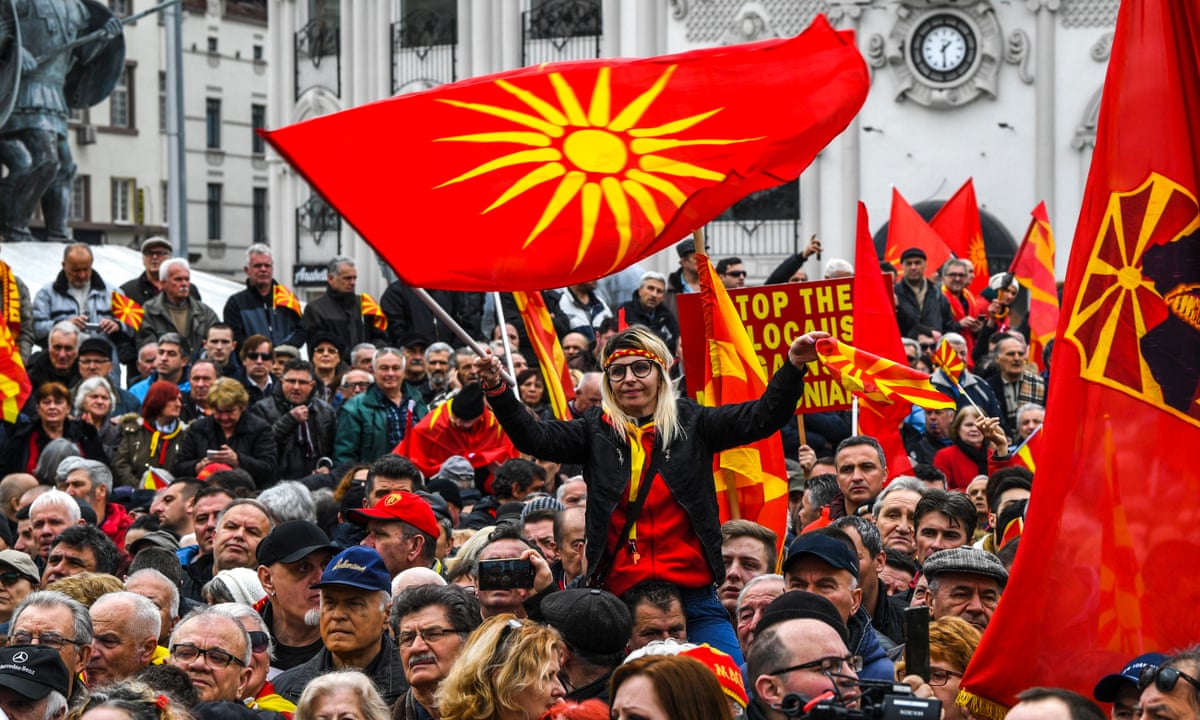
Another highlight is the “September 8” state awards. They are presented for outstanding achievements in sports. For example, during the 2025 celebrations, athletes, coaches, and sports officials received these awards.
Interesting Facts About Independence Day
The decision to hold a referendum was made even before the vote took place.
On August 6, 1991, the Macedonian parliament officially decided to hold a referendum. Thus, the date of September 8 was set in advance, and it became a national holiday only after the vote.An overwhelming majority of voters voted in favor of independence.
According to the country’s parliament, over 95% of citizens who participated in the referendum supported independence. In total, more than one million voters cast “yes” votes.The referendum question was not entirely straightforward.
Citizens were not simply asked whether they wanted independence. The wording also addressed the possibility of joining the Union of Sovereign States of Yugoslavia in the future. Because of this part of the question, some ethnic Albanians boycotted the vote. Despite this, voter turnout exceeded 75%, and the result was overwhelmingly positive.The initial celebrations were very emotional.
On the evening of September 8, 1991, the residents of Skopje began gathering on their own in the central square. This was not merely a formal state ceremony—people took to the streets to celebrate the referendum result together.The independent country initially had a different international name.
Due to a long-standing dispute with Greece over the name “Macedonia,” the country was referred to for a long time in international organizations as the “Former Yugoslav Republic of Macedonia.” In 2019, following a change in its official name, the country became the Republic of North Macedonia.September 8 is not just about politics.
Today is also a day of culture, sports, and community events. Museums, galleries, archaeological sites, theaters, and other cultural institutions may hold special programs and public events for the community.
Independence Day Today
Over the course of more than three decades, September 8 has become one of the main symbols of modern North Macedonia. On this day, people commemorate not only the referendum itself but also the entire complex journey the country has undertaken since the breakup of Yugoslavia. Today, North Macedonia is an independent state and a member of NATO. At the same time, the country continues on the path of European integration, a theme that is frequently mentioned in politicians’ speeches on Independence Day. In 2025, Prime Minister Hristijan Mickoski named European integration one of the country’s top priorities.

Over the years, the slogans, concerts, and format of mass events have changed, but the main idea behind the holiday remains the same. September 8 commemorates the decision that the citizens of North Macedonia made in the 1991 referendum. For some, it is first and foremost a day celebrating independent statehood; for others, it is an opportunity to reflect on their country’s history and the people who were instrumental in its creation. And for many, it is simply a major national holiday featuring concerts, sporting events, walks, and get-togethers with loved ones.
In 2026, North Macedonia’s Independence Day will be celebrated on Tuesday, September 8. The main historical date of the holiday will remain September 8, 1991—the day when citizens voted in favor of independence.


