
Dawn columnist calls for removing barriers to women’s access to family planning in Pakistan
In Pakistan, family planning programmes must take into account not only the availability of free contraceptives or procedures, but also a woman’s entire path to medical care — transport, paperwork, doctor availability and post-operative care. This view was expressed in a column for Dawn by rural development specialist and social entrepreneur Naveen A. Manji.
The author notes that nearly 7 million children are born in the country every year, or about 19,000 a day. At the same time, the use of modern contraceptives among married Pakistani women remains low, while about one in six has an unmet need for family planning.
Costs and bureaucracy
Manji described her organisation’s experience working in villages of Larkana District. Women were initially referred to a government reproductive health centre in the city of Larkana, where they could receive contraceptives free of charge or undergo tubal ligation, a permanent contraceptive method. According to her, women had previously also been offered several hundred rupees for this procedure.
However, a trip to the medical facility could require several visits: a patient could be scheduled for a medical examination, informed that a doctor was unavailable, or encounter other administrative or medical obstacles. For women from rural areas, this means transport costs, the need to obtain permission or support from family, arrange childcare and lose a working day. If a woman or her husband works for daily wages, the family also loses part of its income.
More current news is available on the UA.News Telegram channel Telegram.
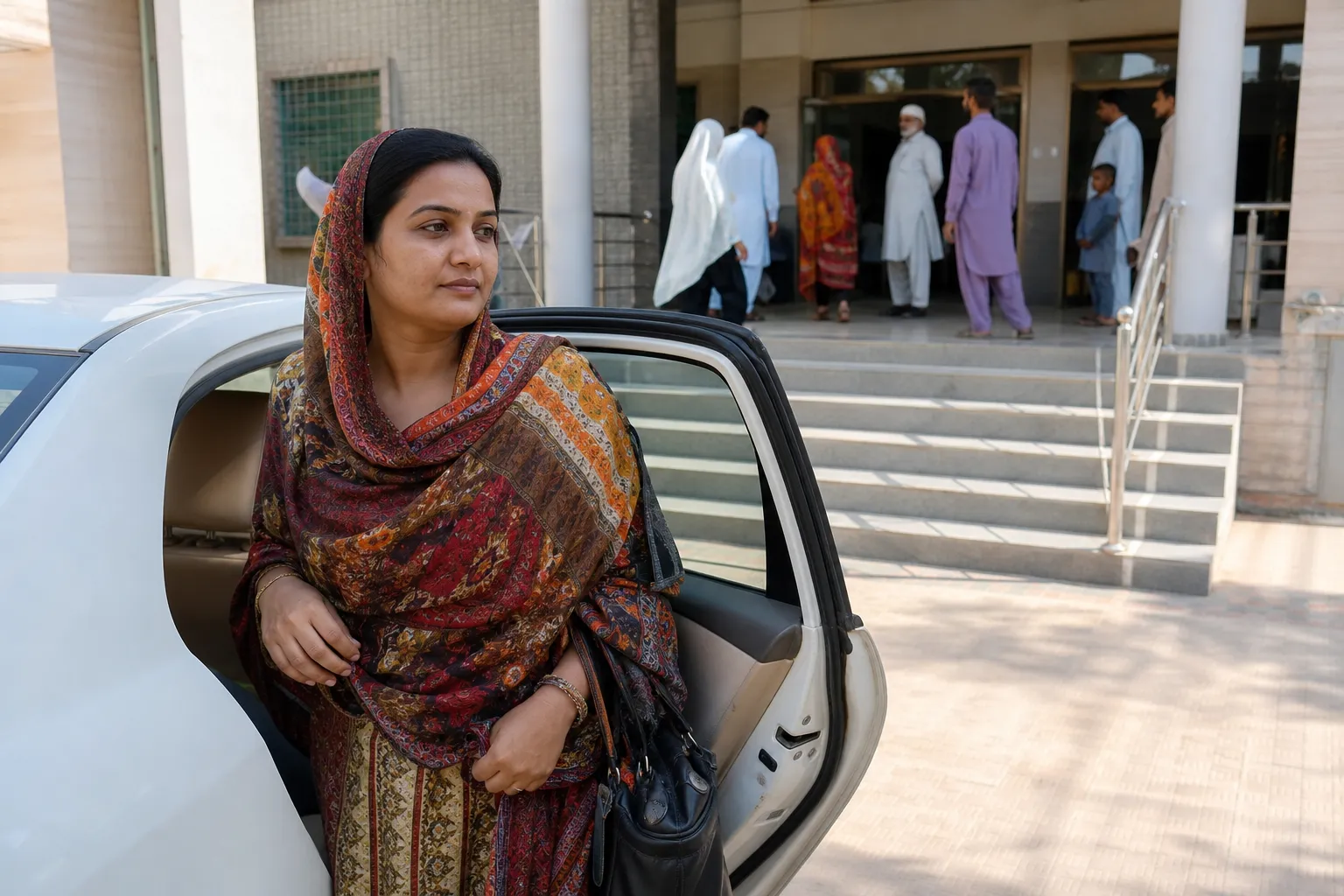
The organisation changed its approach: its staff pick women up from villages by car, help with documentation and consultations, take them home and check their recovery the next day. According to the author, even a free procedure is not accessible if a patient cannot reliably get to the hospital and receive follow-up care.
Social constraints
Manji identified as a separate obstacle cases in which doctors refused to perform tubal ligation on women without sons, with one son, or with a son under the age of 10. As medical workers explained, after the death of an only son, a family may demand that a woman give birth to another boy, while a husband may marry again if she can no longer become pregnant.
In the author’s view, the response should be private and informed counselling, rather than a blanket refusal based on the number or age of sons. Women should be informed about the permanent nature of tubal ligation and provided with information about long-acting reversible contraceptive methods. She believes that an adult woman who understands the consequences of her decision and gives voluntary informed consent should independently determine her reproductive choice.


