
August 9, 2026 Holiday — Watermelon Day: The Origins of This Unusual Holiday
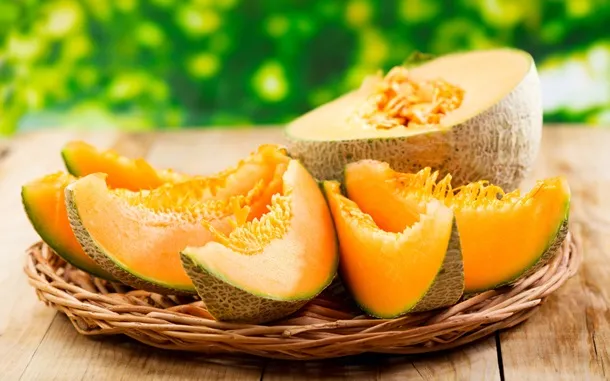
On August 9, 2026, Turkmenistan will celebrate Melon Day—an unusual national holiday dedicated to one of the country’s main agricultural products. It is held annually on the second Sunday in August. On this day, watermelons aren’t just eaten—they’re displayed at exhibitions and fairs, contests are held, concerts are organized, and the work of farmers and plant breeders is honored.
Melon Day is a national holiday in Turkmenistan. Its date is not tied to a specific day of the month: every year, the holiday falls on the second Sunday in August. In 2026, it will be August 9. The date is well-suited for such a holiday, as August in Turkmenistan is one of the periods when melon crops are particularly important. It is during this time that melons are featured at markets, fairs, and festive exhibitions.

In Turkmen sources, the melon is often referred to as the “queen of the melon patch.” For the country, it is not just a seasonal fruit, but a part of its agricultural history and cultural tradition. Melon Day has become a way to showcase this heritage and pay tribute to the people who grow melons and develop new varieties.
How Melon Day Came to Be
The holiday was established in 1994 on the initiative of Saparmurat Niyazov, the first president of independent Turkmenistan. It was intended to highlight the importance of melon cultivation for the country and showcase the diversity of local varieties. Niyazov is also known for using the title Turkmenbashi—“leader of the Turkmen.” That is why one of the melon varieties was named “Turkmenbashi.” He is particularly associated with the holiday and the tradition of showcasing the finest local fruits.
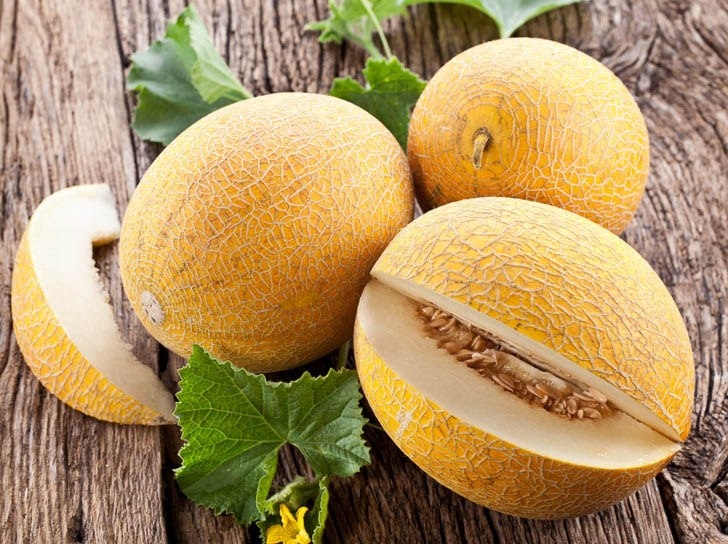
Melon Day has continued even after Niyazov’s death. It is still celebrated as a national holiday, now associated not only with the country’s political history but also with agriculture, culture, and the traditions of melon cultivation. Interestingly, Melon Day was first celebrated back in 1994, and in Turkmenistan’s calendars, it is fixed for the second Sunday in August. Official government materials also confirm that the holiday is held on this day every year.
Why Is the Melon So Important to Turkmenistan?
Melons have been grown in what is now Turkmenistan for many centuries. According to Turkmen sources, archaeologists have found melon seeds during excavations of the ancient settlements of Merv and Kunya-Urgench. This attests to the region’s long history of melon cultivation. Melons were also an important commodity for trade. They were transported along trade routes, particularly those connected to the Great Silk Road. Throughout various historical periods, Turkmen melons found their way to markets in other countries of Central Asia and the Middle East.
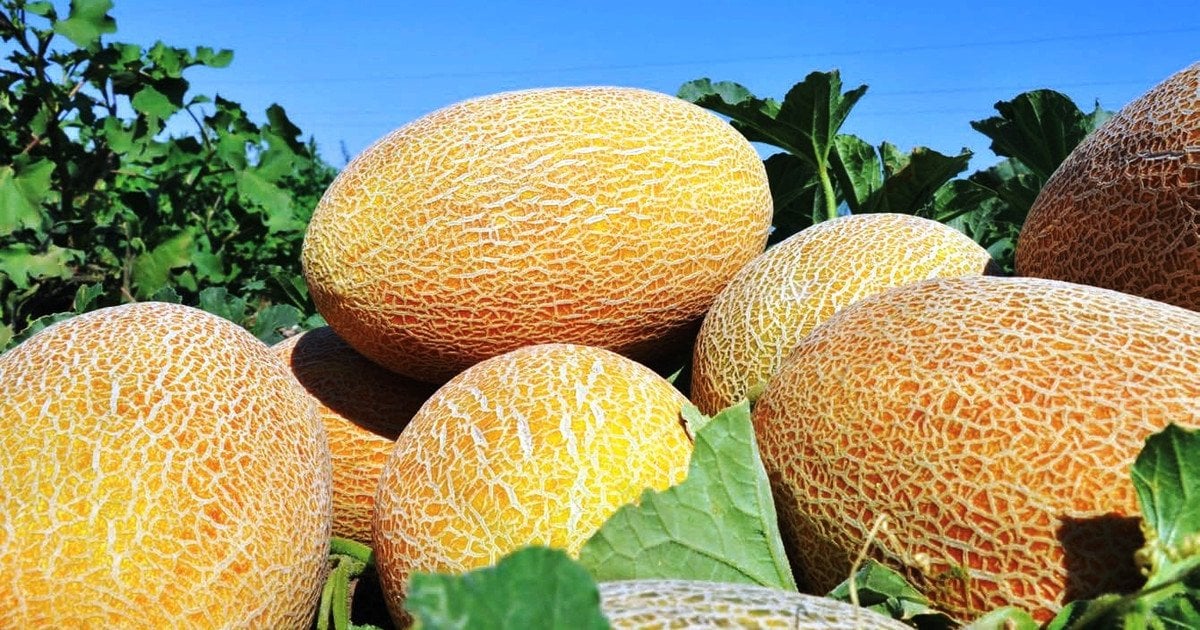
Local farmers and plant breeders played a special role in the development of melon cultivation. For generations, they selected plants with desirable traits and created new varieties. As a result, melons emerged that differ in ripening time, size, aroma, flesh color, and sweetness. Turkmenistan’s climate is also well-suited for growing melons. The country has hot, dry summers, and local farmers have adapted their cultivation methods to these conditions over the centuries.
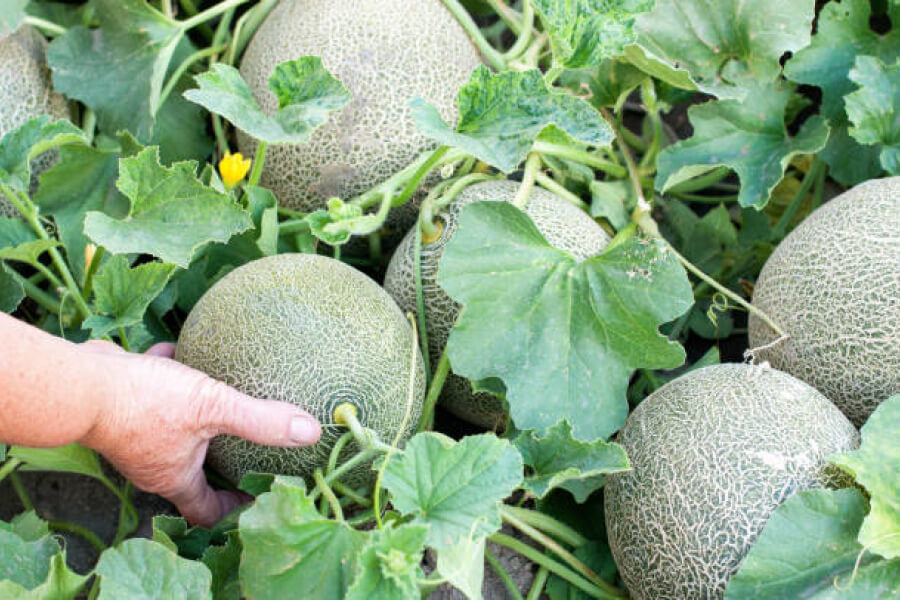
According to the government portal of Turkmenistan, there are over 1,600 registered melon varieties worldwide, and about 400 of them are associated with Turkmen breeding programs. However, the number of varieties depends on the counting method and the specific time period, so different sources may cite different figures.
What Kinds of Melons Are Grown in Turkmenistan
Turkmen melons are very diverse. Well-known varieties include “Vakharman,” “Gulyabi,” “Garrigiz,” “Akmarl,” “Zamcha,” and others. Some varieties ripen quickly and kick off the melon season. Others ripen in the summer or fall, and some can be stored for longer periods. Because of this, melons have traditionally been consumed not only immediately after harvest.
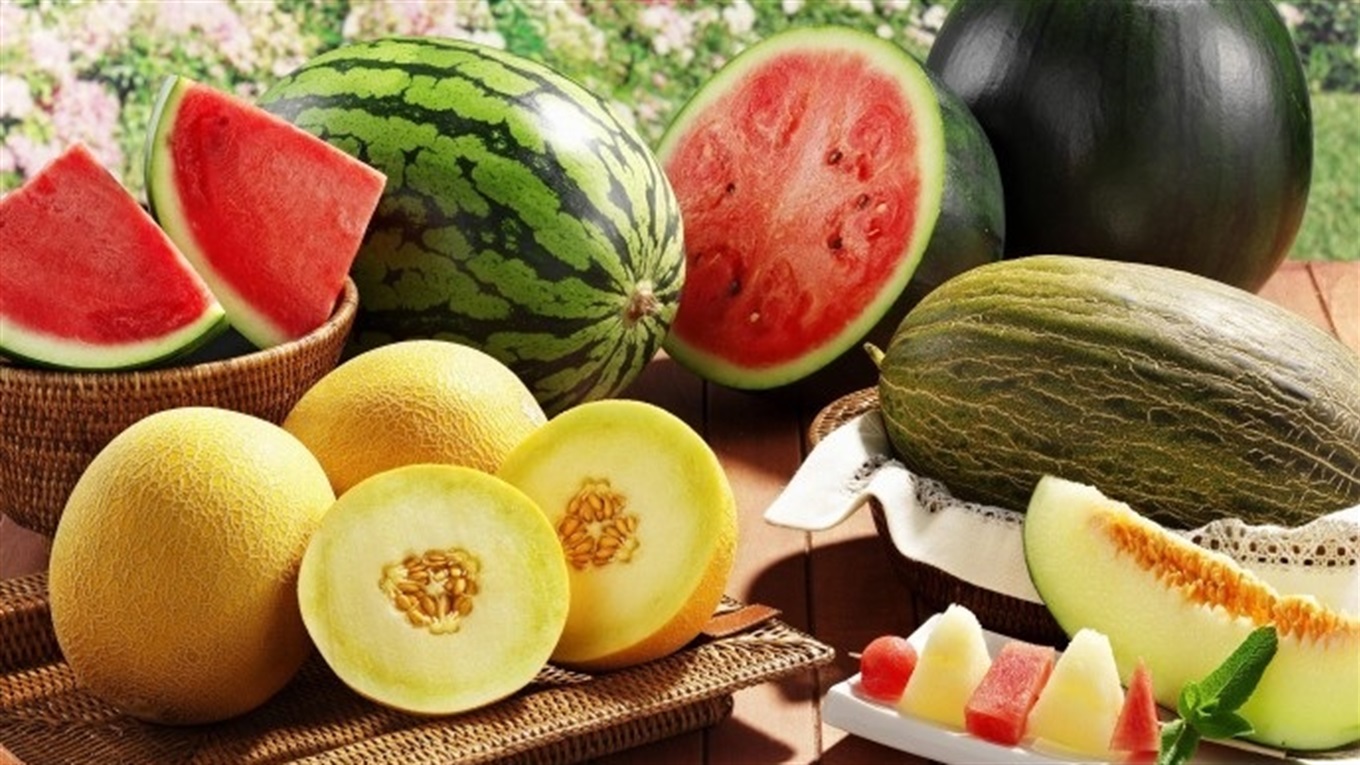
Among the most famous is “Turkmenbashi,” named in honor of Niyazov. It is described as a large, fragrant, and very sweet fruit. A significant portion of festive exhibitions revolves around these particularly prized varieties. There are other ways to preserve melons for the colder season. They are dried, made into preserves, and used to make syrups. In Turkmen cuisine, you can find melon-based products, including dried melon and sweet syrups.
How Melon Day Is Celebrated
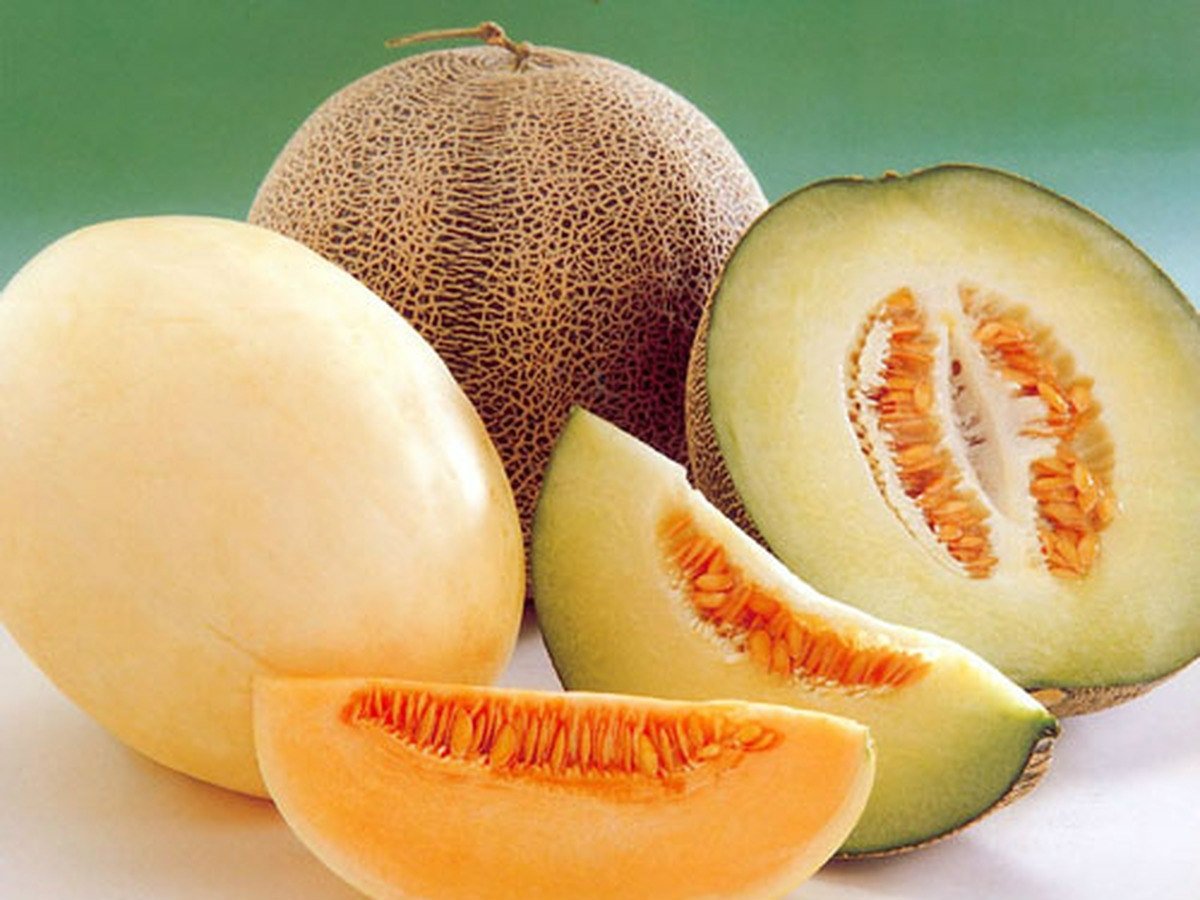
The main part of the celebrations consists of exhibitions and fairs. There, you can see a large number of melons of various varieties, sizes, and colors. The fruits are arranged in large displays, and visitors are invited to taste them. Cities and regions across Turkmenistan also hold competitions among farmers and plant breeders. For example, in past years, winners have been selected in categories such as “Golden Melon,” “Largest Watermelon,” “Largest Pumpkin,” and others. Special recognition is given to individuals who have achieved success in growing and breeding melons.
The festival isn’t limited to melons alone. Concerts are held at the venues, folk ensembles and musicians perform, and cultural programs are organized. In some regions, sports events and art exhibitions are also part of the celebrations. Another important part of Melon Day is professional meetings. At conferences, farmers, agronomists, breeders, and scientists discuss melon cultivation, new varieties, seeds, pest control, and methods for extending the shelf life of the harvest. In other words, the festival has not only an entertainment component but also a professional one.
The Melon as Part of Turkmen Culture
For Turkmenistan, the melon has become a symbol of the land’s fertility and the farmers’ hard work. In local culture, it is also associated with hospitality. Guests are traditionally treated to these sweet fruits, and sharing the best melon of the season is considered a pleasant way to show consideration. This fruit also has a long culinary history. Fresh melons are eaten in season, and part of the harvest is processed to preserve it for the winter. They are dried, used to make sweet treats, and incorporated into various preserves.
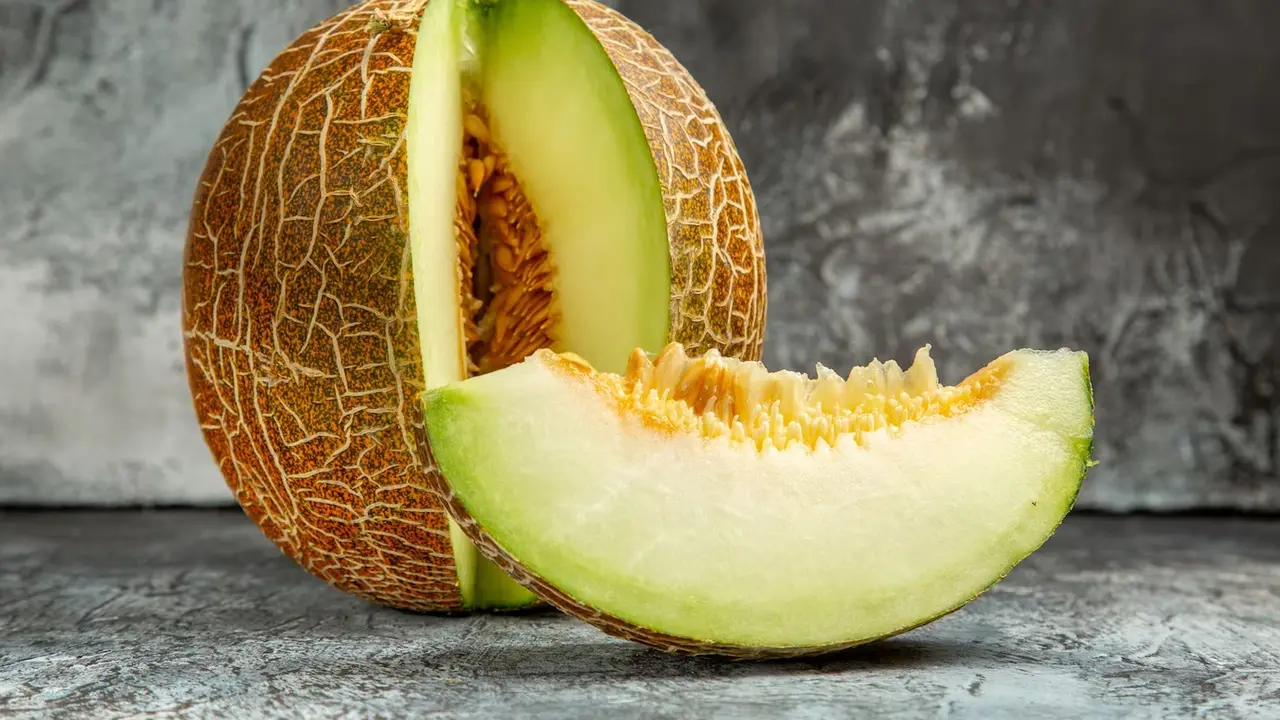
The melon has also become part of art and festive decorations. Images of it can be seen in paintings, themed exhibitions, and decorative works. During celebrations in Turkmenistan, folk art exhibitions are held that combine the theme of the harvest with local cultural traditions.
Interesting Facts About Melon Day
The holiday has a specific date based only on the day of the week. Melon Day is celebrated on the second Sunday in August. Therefore, the date on the calendar changes every year. In 2026, it falls on August 9.
Melon Day has existed since 1994. It was established by Turkmenistan’s first president, Saparmurat Niyazov. Since then, the holiday has become an annual event.
Hundreds of melon varieties are grown in Turkmenistan. Official sources in the country list about 400 Turkmen varieties among the more than 1,600 registered in global melon cultivation.
Melons can be stored for a very long time. Some fall and winter varieties were traditionally grown so that they could be stored after the season ended. This made it possible to enjoy melons not only in the summer.
Melons aren’t necessarily eaten only fresh. In Turkmenistan, they are dried and used to make sweet treats and syrups. Dried melon can resemble fruit candies or candied fruit.
Holidays feature their own contests. At festivals, the best fruits are selected, and master melon growers are honored. Over the years, categories have included “Golden Melon,” “Largest Watermelon,” and “Largest Pumpkin.”
How to Celebrate Melon Day
In Ukraine, this holiday isn’t officially recognized, but it’s very easy to join in the fun. The most obvious option is to buy a ripe melon and host a tasting at home. You can try several varieties and compare them by taste, aroma, and texture. Even more fun is to make a fruit salad, a refreshing drink, or a dessert with melon.
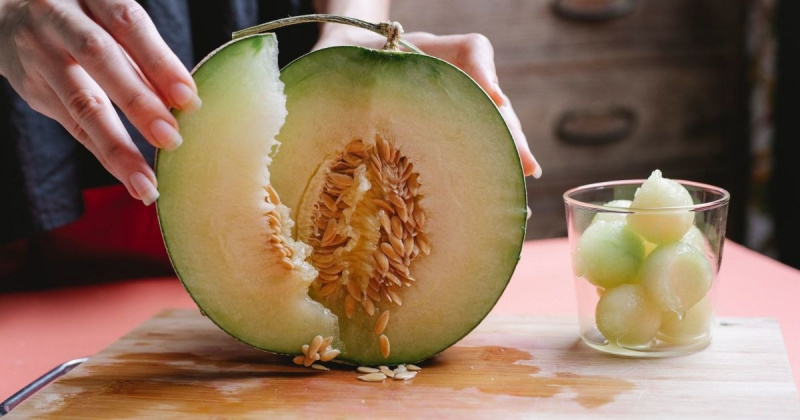
Melon with cheese, fruit canapés, or simply chilled slices of melon are also great for a festive table. And if you’d like to learn more about the culture of Turkmenistan, you can look up information on local varieties and traditional methods of preserving melons.
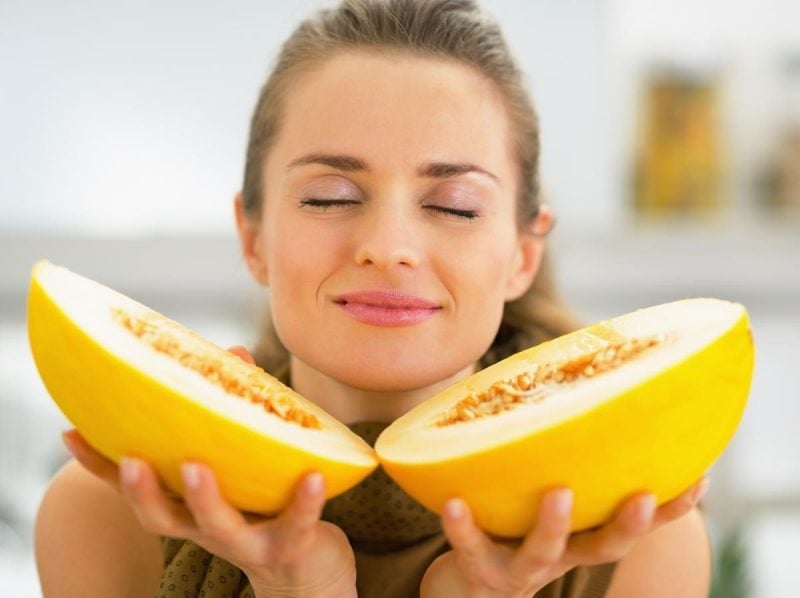
But the main idea behind this day goes far beyond a simple tasting. Melon Day serves as a reminder of farmers’ hard work, ancient agricultural traditions, and how an ordinary seasonal product can become part of the history and culture of an entire country. So August 9, 2026, can safely be called one of the sweetest days on the calendar. In Turkmenistan on this day, the melon takes center stage—at exhibitions, fairs, festive tables, and even professional conferences.


