
H5N1 confirmed in marine mammals in Australia — Mongabay
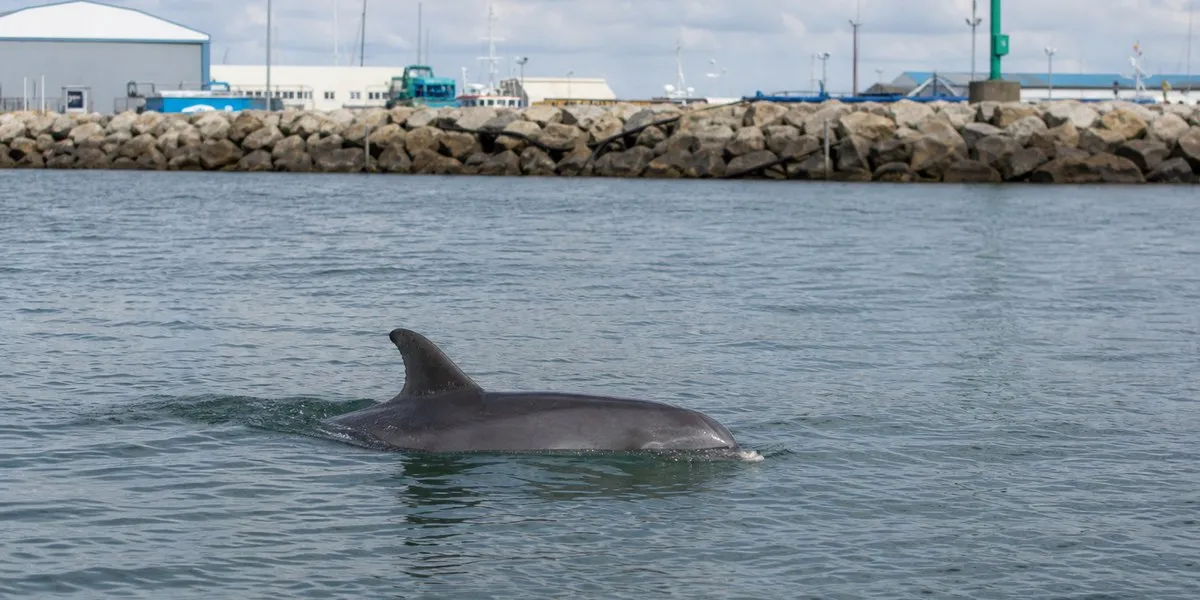
In Australia, the H5N1 bird flu virus is rapidly spreading among wild birds in the southeast of the country and has also been confirmed in several mammal species. According to Mongabay, H5N1 has been detected in South Australia, including in an Australian sea lion and a common dolphin.
Cases among mammals
At the end of August, H5N1 was detected in a red fox in Adelaide. Acting Chief Veterinary Officer Cameron Bell said that wild foxes do not usually spread the virus directly. At the same time, scavenging animals can move infected carcasses between different habitats.
In September, South Australian authorities confirmed H5N1 in an Australian sea lion and a common dolphin. State Environment Minister Emily Bourke said that the sea lion had been recovering from a shark attack when it died from the virus. The species is critically endangered, and its population is declining by about 2% annually.
Bird flu was also recorded in long-nosed fur seals in the state. Australia’s first case of H5N1 in a pelican was confirmed on the Yorke Peninsula.
More current news is available on the UA.News Telegram channel Telegram.
Risks for coastal animals
The virus is being detected among little penguins, magpies, crested terns and pelicans. Victoria’s chief biodiversity officer, James Todd, noted that bird congregations during the breeding period are likely to accelerate transmission of the infection to mammals.
Bill Bateman, an associate professor of behavioral ecology at Curtin University, suggested that marine mammals are most likely infected by birds. According to him, animals may eat sick or dead seabirds or come into contact with their biological fluids, contaminated water or substrate. Bateman also stressed that safely removing carcasses is important to reduce scavenging animals’ contact with the virus.
On the Fleurieu Peninsula, volunteers from the Victor Harbor Dolphin Watch group are monitoring dolphins that display atypical behavior while swimming or have neurological symptoms.


