
The world is bracing for high oil prices next year
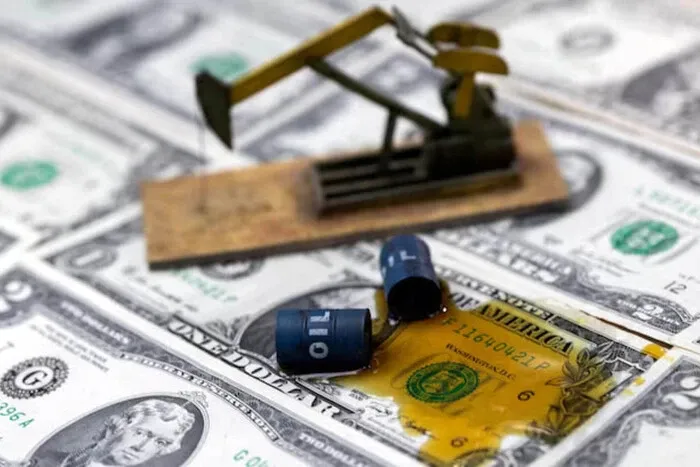
The global oil market is bracing for a period of high prices, and according to Bloomberg forecasts, Brent crude could remain near $100 per barrel over the next year. Analysts attribute this to geopolitical risks and supply instability. At the same time, most experts do not expect sharp spikes above this level. This is evidenced by a Bloomberg Intelligence survey.
The global oil market is entering a phase of heightened tension, where prices are driven less by economic cycles and more by political conflicts and supply risks, which is why Bloomberg Intelligence analysts predict that Brent crude could remain at high levels over the next 12 months, approaching the psychological threshold of $100 per barrel.
According to a survey of market participants, most experts expect the average price of Brent to fluctuate between $81 and $100, with geopolitical risks remaining a key influencing factor, particularly tensions between the U.S. and Iran and potential supply disruptions through the Strait of Hormuz, which is one of the world’s major energy routes.
Nearly two-thirds of respondents believe that additional geopolitical risk is already priced in at $5–15 per barrel; however, the market does not currently expect a significant and prolonged deviation beyond these limits, as the balance of supply and demand partially restrains sharp fluctuations. Bloomberg notes that the market perceives the situation as tense but under control—that is, one that does not lead to a complete reset of the global oil system, even amid growing uncertainty on key supply routes.
At the same time, factors that could curb further price increases include a decline in demand due to high prices, potential OPEC+ decisions, the rerouting of global oil flows, and the use of strategic reserves, which are traditionally employed to stabilize the market during crises. It is also noted that supply disruptions could range from 3 to 7 million barrels per day, and approximately half of the respondents expect transit through the Strait of Hormuz to remain reduced, amounting to only 51–75% of normal volumes, which further exacerbates uncertainty.
Meanwhile, the U.S. is projected to see moderate growth in shale oil production, but most experts believe this will not be enough to fully offset the risks and stabilize the market amid global geopolitical tensions.
Oil prices rose amid expectations of a meeting between Donald Trump and Xi Jinping. Traders are focusing on possible signals regarding a resolution to the conflict with Iran, which has impacted global oil supplies.


