
The global oil tanker market has faced a shortage due to the war between the U.S. and Iran
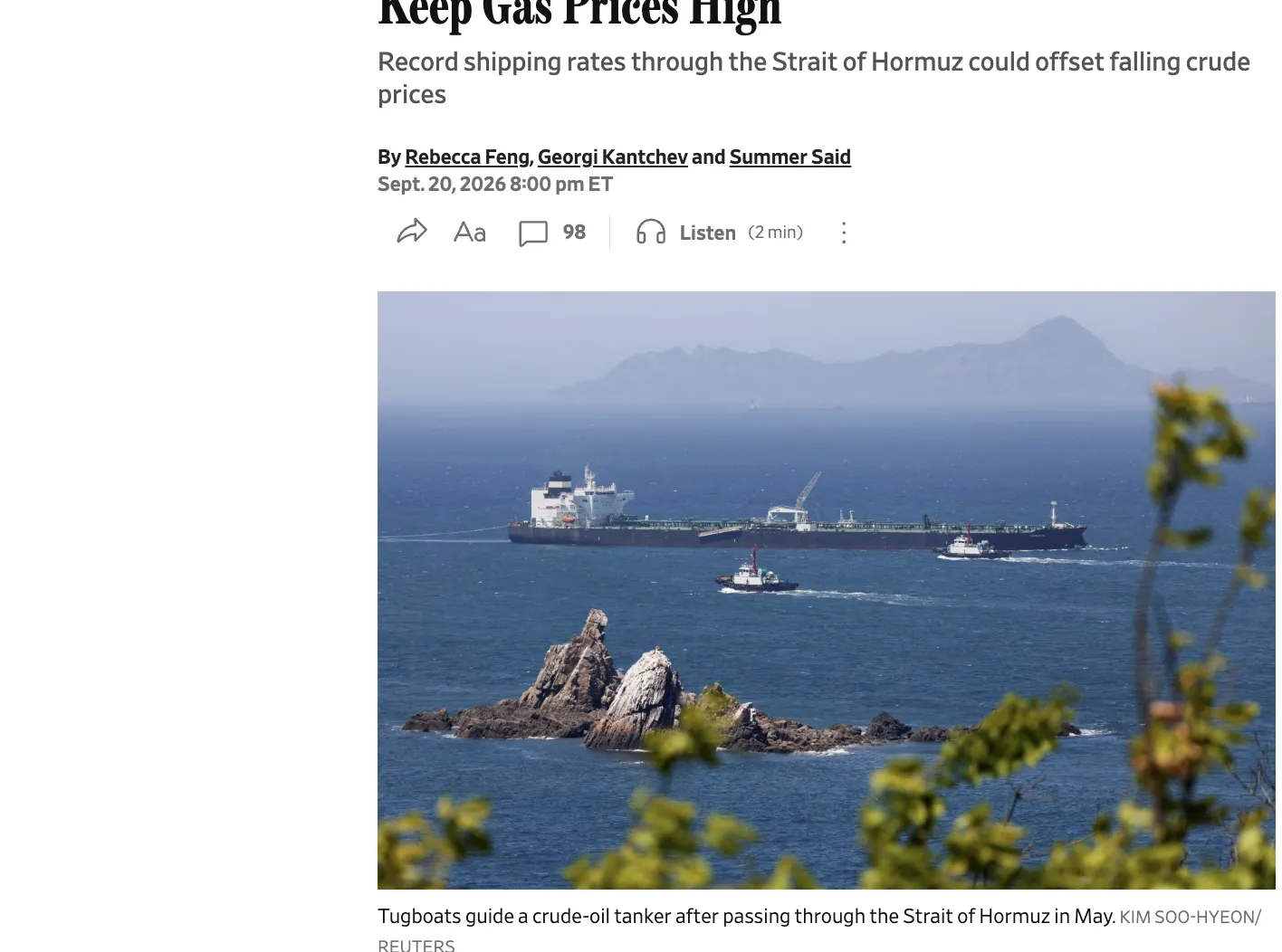
The war between the U.S. and Iran, the shutdown of the Saudi "East-West" oil pipeline, and changes in oil supply routes have led to a shortage of large tankers on the global market. The cost of chartering certain supertankers has already reached record levels.
The situation escalated in September after drone attacks halted operations on the Saudi “East-West” oil pipeline. The pipeline had been used to transport oil from fields in eastern Saudi Arabia to the Red Sea coast, bypassing the Strait of Hormuz.
After the pipeline was shut down, significant volumes of crude oil had to be rerouted by sea through the Strait of Hormuz. As a result, the demand for tankers has increased, while some vessels now take longer per voyage or are being used for shuttle services.
This has led to a reduction in the number of available VLCCs—the largest tankers designed to transport crude oil. According to the analytical firm Windward, in early September, the daily charter rate for a supertanker transporting oil from the Persian Gulf through the Strait of Hormuz exceeded $1 million. Calculated per unit of cargo, transportation costs amounted to approximately $26 per barrel.
The problem has already spread beyond the Middle East. Clarksons Research noted that freight rates are rising on other key global routes as well, particularly for oil shipments from West Africa to China.
The average daily profit from operating a single VLCC supertanker reached $651,107 on Thursday. This is nearly double the amount prior to the shutdown of the Saudi East-West oil pipeline.
The situation in the Bab el-Mandeb Strait is putting additional pressure on the market. Due to Houthi attacks, ships flying the Saudi Arabian flag have stopped using this route. As a result, more than ten tankers have changed course and are sailing around the Cape of Good Hope.
According to Windward’s estimates, this detour increases costs by approximately $1 million per voyage. In addition to the immediate increase in transportation costs, the longer route means that the tanker remains occupied for a longer period of time and cannot be used for other shipments.
Saudi Aramco is attempting to resume operations on the East-West oil pipeline. The company has already warned some of its customers in Europe and Asia about possible delays or cancellations of shipments in September and October.
Analysts at Kpler reported that following the attack, about ten VLCC supertankers left the Strait of Hormuz, carrying a total of approximately 24 million barrels of oil.
The shortage of available vessels is increasing refineries’ shipping costs for crude oil. As a result, high transportation costs may keep fuel prices high even if the global price of crude oil itself declines.
Source: The Wall Street Journal
Earlier, Trump announced a decisive phase in decision-making regarding Iran.
For its part, Iran has threatened to respond without restraint in the event of new U.S. strikes.
Against this backdrop, Qatar is attempting to resume negotiations between the U.S. and Iran.




