
Taiwan to step up fight against deepfakes ahead of local elections — Taipei Times
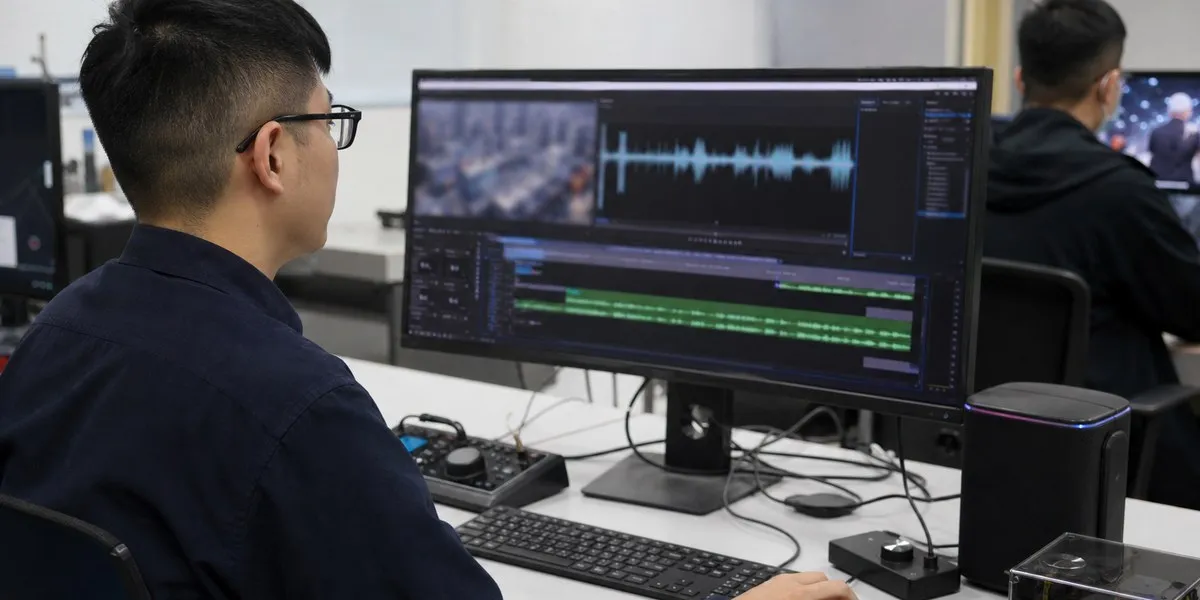
Taiwan’s Ministry of Justice has announced stronger measures against election-related deepfakes ahead of local voting at the end of the year. Law enforcement agencies will intensify digital forensic examinations to identify the sources of such materials, promptly remove fake content and hold those involved accountable in accordance with the law.
Rapid removal of fake content
As Taipei Times reports, agencies will also monitor new trends in the use of deepfakes, strengthen intelligence analysis and cooperate with national security forces to counter foreign cognitive influence operations.
The ministry plans to improve emergency coordination among government bodies and cooperate with media outlets, major digital platforms and messaging services to speed up the removal of false information.
Liability for manipulation
Taiwan’s Election and Recall Act provides for up to seven years in prison for disseminating disinformation in the form of deepfake audio or video targeting candidates. Sanctions may also be imposed on social platform operators if they fail to comply with orders to remove such content.
More current news is available on the UA.News Telegram channel Telegram.
Deepfakes have already been the subject of complaints by politicians from different parties. In particular, an artificially created video purportedly showed Democratic Progressive Party candidate for Changhua County magistrate Chen Su-yue saying that she would easily win the election. Her campaign headquarters held a press conference, filed a complaint and demanded that the platform remove the recording.
Previously, the Criminal Investigation Bureau questioned former Kuomintang New Media Department director Wei Chun-yu over suspicions that he used artificial intelligence to imitate the voice of Taiwan President Lai Ching-te in a party video. Before the 2024 presidential election, an audio recording featuring a voice presented as that of Taiwan People’s Party founder Ko Wen-je and a video imitating Lai Ching-te were also circulated. A technical analysis of the latter assessed the probability of manipulation at more than 98%.
Another example was a video in which former Taipei mayor Hau Lung-bin was falsely depicted kissing Taipei City Councilor Liu Tsai-wei. This happened last year, when Hau was running for Kuomintang chairman. Liu contacted police together with Broadcasting Corp of China chairman Zhao Shao-kang.


