
Theaters and zoos in Yekaterinburg could become mobile testing sites
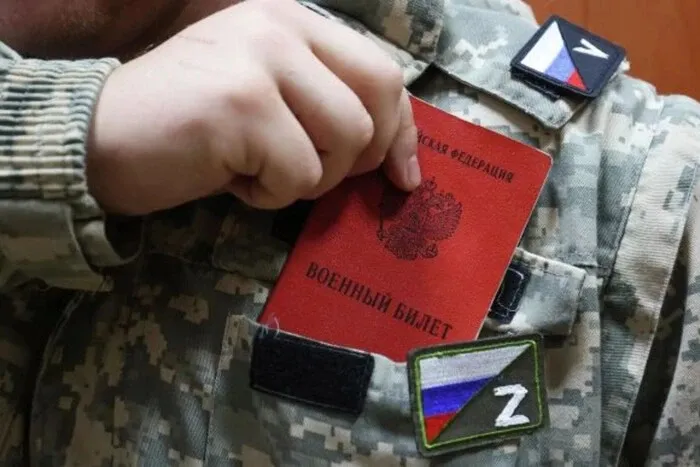
The Yekaterinburg authorities have authorized the use of theaters, parks, cultural centers, and other municipal facilities for mobilization purposes. In effect, this means that these familiar cultural spaces could be converted into assembly points for conscripts. The decision has already been approved by the city council and is in line with Russian federal law, according to Russian media reports.
In Yekaterinburg, Russia—a city that officially likes to call itself the “cultural capital”—a rather telling shift in priorities is taking place, as theater stages, city parks, zoos, and cultural centers are gradually ceasing to be merely spaces for life and leisure and are beginning to be viewed as resources for the state’s mobilization needs.
The City Duma has approved a resolution allowing military commissariats to use municipal property free of charge for organizing gatherings, temporary posts, and mobilization activities, and the resolution explicitly mentions theaters, parks, zoos, and other municipal facilities among such properties.
The explanatory materials accompanying the resolution state that this step is intended to bring local regulations into compliance with the federal law “On Mobilization Preparation and Mobilization in the Russian Federation,” which obligates local authorities to transfer resources and property for the needs of the army in the event of corresponding decisions at the state level.
Deputy Director of the Department of Municipal Property Management Vladimir Zakharov called the adopted document “framework,” explaining that it defines only the general procedure for action in the event of the resumption or intensification of mobilization processes; however, in essence, it already opens the possibility of using cultural infrastructure for purposes other than its intended use.
Thus, in a city that has long positioned itself as a center of art and culture, a different reality is gradually taking shape, where cultural institutions are increasingly woven into the military system and become part of the administrative mobilization apparatus.
In Russia, Deputy Defense Minister Oleg Savelyev, who was responsible for the digitization of military registration offices and the launch of electronic draft notices, has been dismissed. Police Colonel General Vitaly Shulik has been appointed to replace him.
Russia has stated that it intends to appeal to the International Court of Justice regarding the situation of the Russian-speaking population in the Baltic states.




