
The Japan Times: Bernam's Approach Could Accelerate Decentralization in Britain
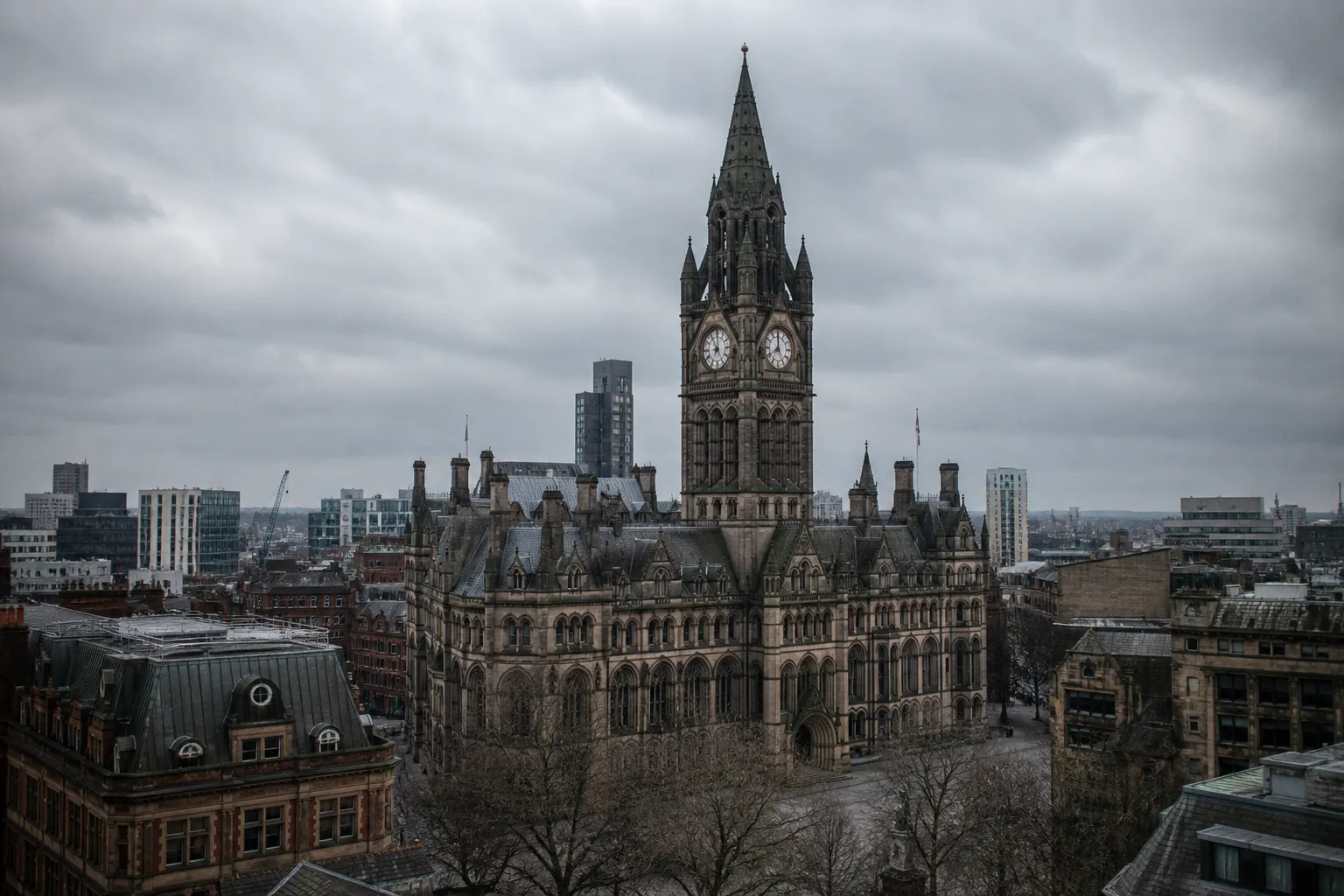
In a column in *The Japan Times* dated August 21, author Rosa Prince writes about a possible shift of the political center of the United Kingdom toward the north of the country following the arrival of the new prime minister, Andy Bernam. In her view, his agenda could strengthen the role of Manchester and local governments.
As Prince notes, the former mayor of Manchester has made decentralization a central part of his political agenda and promises a smaller but more strategic central government. According to the author, Burnham seeks to give local communities more opportunities to develop regional economies.
According to the column, the “No. 10 North” office in Manchester has become a symbol of this approach. Burnham and some senior ministers are to work there several days a week. The temporary office is located across from Manchester City Hall, and a permanent facility is scheduled to open in 2032. Prince also writes that Burnham has taken over a significant portion of the Cabinet Office’s powers and transferred them to the control of First Secretary Louise Hay, who will primarily work in Manchester.
For more breaking news, follow the UA.News Telegram channel.
Among Burnham’s future plans, the author mentions the possibility of allowing mayors to retain a portion of revenue from income tax and business rates. They may also gain control over continuing education budgets and, in the future, potentially over social care and healthcare sectors.
Prince points out that previous British governments have already promoted initiatives such as the Northern Powerhouse, “regional equalization,” and “decentralization revolutions,” but, in her assessment, these have not yielded significant results. Critics of the new policy doubt whether a center of power outside London will have real authority, and they also point to the costs and logistical challenges of relocating civil servants.
The author notes that London generates more than 23% of the UK’s GDP and remains its political, financial, cultural, and transportation hub. In her view, the growth of other cities will not necessarily harm the capital, whose global competitors she identifies as New York and Dubai.


