
Thousands of Syrians still have legal cases dating back to Assad era — Asharq Al-Awsat
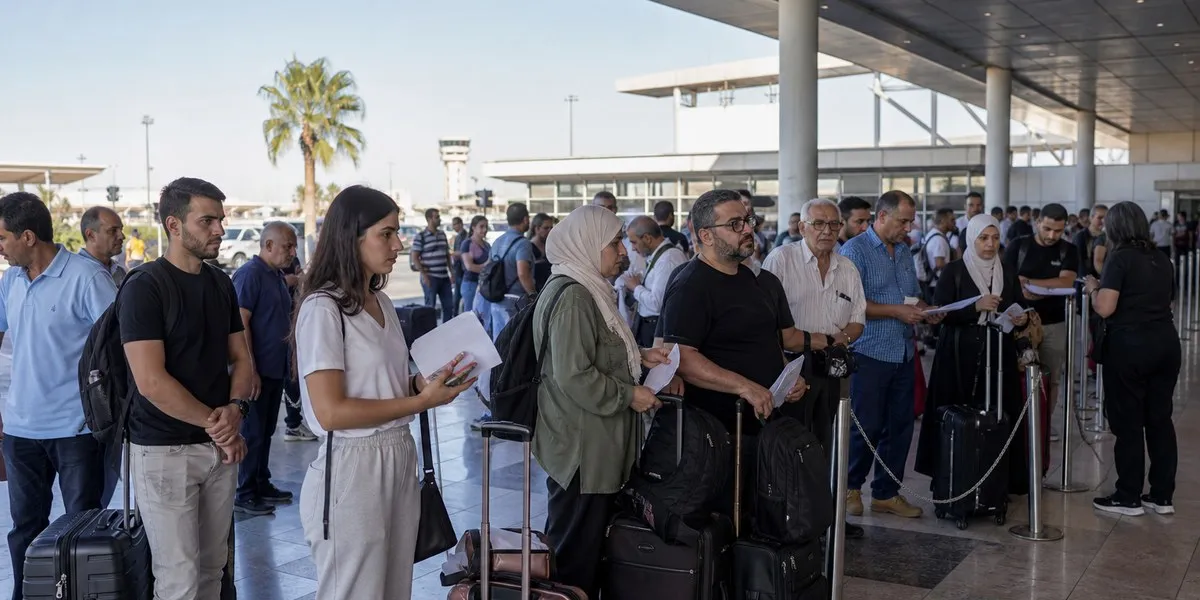
In Syria, thousands of people face active arrest warrants, wanted-person records and in absentia verdicts issued under the rule of Bashar al-Assad, despite the abolition of some exceptional laws and courts. The problems are often discovered by Syrians returning to the country by land or through airports, Asharq Al-Awsat reports.
In March 2025, Syria’s Ministry of Interior cancelled travel-ban notices linked to requests for arrest, summonses or appearance, as well as to failure to complete compulsory or reserve military service. The ministry said at the time that more than eight million people had been wanted under the previous authorities — about one-third of the country’s population.
Abolishing courts did not close all cases
In December 2025, Justice Minister Mazhar al-Wais announced the abolition of exceptional courts and their rulings after the repeal of Law No. 22 of 2012, which had established the Terrorism Court. This decision concerned political cases, persecution for expressing opinions and baseless accusations. At the same time, it did not cover serious crimes against individuals, including cases involving a person’s death, or organized crimes such as drug trafficking.
People’s Assembly member Aqil Hussein said that parliament must legislatively abolish terrorist and military courts, as well as exceptional rulings and decrees by security agencies issued against Syrians during the uprising. According to him, criminal convictions require separate settlement by the competent institutions.
More current news is available on the UA.News Telegram channel Telegram.
Records in databases remain active
According to human rights sources, political decisions and decisions by security agencies have not yet been fully aligned with the registers of prosecutor’s offices and courts. Criminal records are not removed automatically, and cancelling a wanted notice or an in absentia verdict involves a lengthy procedure, including applying to the body that issued the relevant decision.
Some people reported that after returning, they discovered active warrants even though their records had already been deleted at judicial institutions or criminal investigation departments in Damascus. Others encountered cases where their case files had been lost or damaged, while proceedings formally remained open.
Lawyer and human rights defender Michel Shammas proposed creating an independent judicial commission and a unified database. In his view, this would help distinguish genuine criminal cases from political and security persecution and would allow citizens to check their legal status without intermediaries.




