
Trump Is Considering Easing Sanctions Against Russia in Exchange for the Release of Political Prisoners — The Atlantic
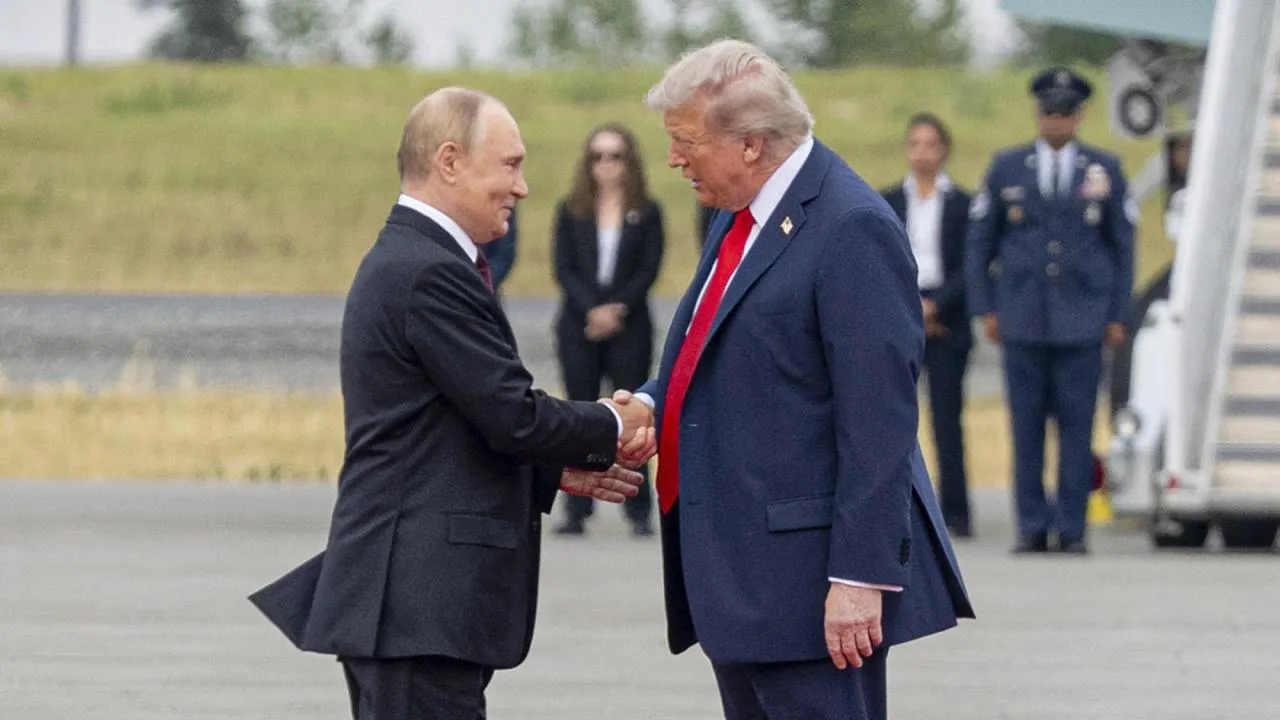
U.S. President Donald Trump has agreed to a proposal from his special envoy for Eastern Europe to ease U.S. sanctions against Russia in exchange for the release of political prisoners, according to *The Atlantic*. According to the publication, the initiative was put forward several months ago in an effort to break the deadlock in relations between the two countries. It is currently in the early stages, and its implementation could expand the agenda of negotiations between Washington and Moscow beyond the war in Ukraine.
In particular, Russia could gain the opportunity to re-enter the global economy, while the U.S. would be able to strike lucrative deals with Moscow regarding oil, diesel fuel, rare-earth minerals, and other commodities. The release of prisoners on humanitarian grounds could also be used by Trump in the context of his quest to win the Nobel Peace Prize.
At the same time, the U.S.’s new approach to relations with the Kremlin is likely to provoke a negative reaction from Ukraine, Washington’s European partners, and some American lawmakers. As the publication notes, the potential resumption of economic ties with Russia will provide it with additional revenue that could be used to continue the war against Ukraine and carry out possible attacks on NATO countries.
On September 23, Trump’s special representative for Belarus, John Cole, stated that the U.S. had “begun work” on the issue of Russian political prisoners. According to him, the relevant lists have already been compiled, but he refused to disclose the names.
This was reported by The Atlantic.
An aide to Navrotsky stated that Putin should be put on trial, not invited to the G20.
The Kremlin commented on Putin’s trip to the U.S. for the G20 summit.
Earlier, the Kremlin responded to the proposal for a meeting between Zelenskyy and Putin at the G20.
Russian dictator Vladimir Putin has not yet made a decision regarding his participation in the G20 summit and, accordingly, regarding a meeting with Ukrainian leader Volodymyr Zelenskyy.
As a reminder, Zelenskyy effectively proposed to the Kremlin leader that they hold a face-to-face meeting specifically during the G20 summit in December 2026.
Prior to this, the U.S. had invited Putin to the December G20 summit in Miami.




