
ICC tribunal finds Mambilla agreements corrupt — Premium Times Nigeria
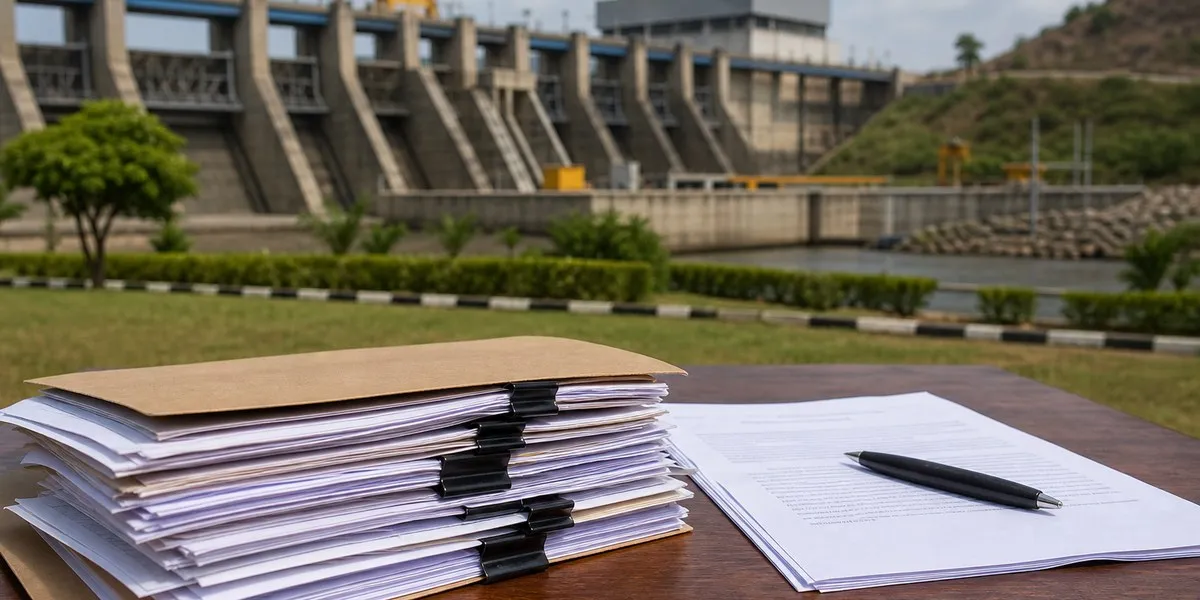
An arbitration tribunal of the International Chamber of Commerce in Nigeria dismissed claims by Sunrise Power and Transmission Company in a dispute over the 3,960 MW Mambilla hydropower project in Taraba State. The tribunal concluded that the settlement agreement and its addendum resulted from a corrupt arrangement between Sunrise founder Leno Adesanya and former Nigerian Attorney General Abubakar Malami, Premium Times Nigeria reports.
Sunrise claims dismissed
The company demanded $680 million from Nigeria as a settlement amount and interest in connection with another arbitration. In that other proceeding, Sunrise is claiming more than $2.7 billion in compensation and interest.
The tribunal dismissed Sunrise’s request to order Nigeria to pay $400 million. This amount consisted of $200 million under the settlement agreement and an additional $200 million penalty for failure to meet financial obligations. Sunrise and its founder were also ordered to reimburse Nigeria $11.8 million in legal defense costs.
More current news is available on the UA.News Telegram channel Telegram.
Lack of presidential approval
The settlement agreement was signed on January 2, 2020, and provided for a $200 million payment to Sunrise. An addendum dated March 25, 2020, introduced another $200 million financial penalty, potentially increasing the total payout to $400 million.
The tribunal found that the agreement and addendum were not binding on Nigeria because they had not received the required approval of President Muhammadu Buhari. In a handwritten note dated April 20, 2020, Buhari refused to approve the agreement, stating that the federal government did not have $200 million to pay Sunrise. In January 2021, he also rejected the document in writing.
According to the tribunal’s findings, Malami failed to provide the president with proper information and continued seeking approval of arrangements benefiting Sunrise despite Buhari’s refusals. The arbitrators noted that Malami did not appear to give testimony, while evidence of his contacts with Adesanya, including via WhatsApp, was sufficient to conclude that there was a corrupt arrangement. The tribunal found the agreement and addendum to be contrary to Nigeria’s public policy and unenforceable.


