
New mosque in Riyadh to be named after King Abdulaziz — Asharq Al-Awsat
In Saudi Arabia, a mosque planned for construction in northern Riyadh will be named after King Abdulaziz, the founder of the kingdom. The corresponding order was issued by King Salman bin Abdulaziz Al Saud following a proposal by Crown Prince and Prime Minister Mohammed bin Salman, Asharq Al-Awsat reports.
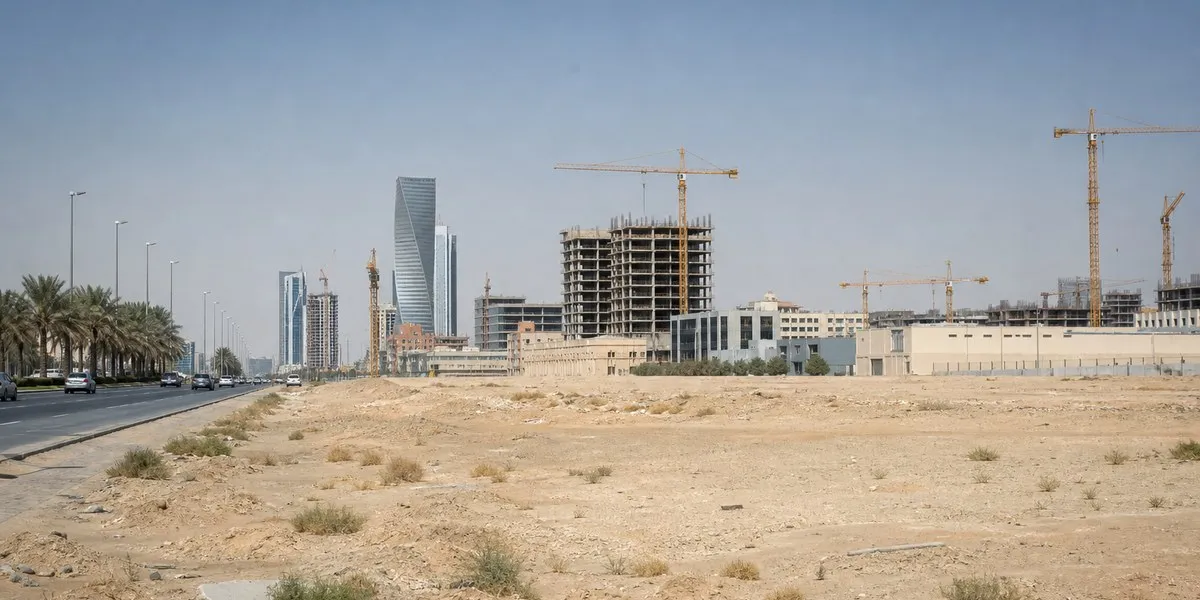
A site covering 88,000 square meters has been allocated for the project along King Abdulaziz Road. The future mosque will be built in a rapidly developing area in the north of the Saudi capital.
A complex with public spaces
According to Riyadh Region Mayor Prince Faisal bin Abdulaziz bin Ayyaf, the new mosque is intended to become an important facility for the city amid rapid population growth and development in the northern districts. The complex is expected to combine religious, educational, and public functions.
More current news is available on the UA.News Telegram channel Telegram.
The project includes a library, a school for studying and memorizing the Quran, facilities for washing the deceased, open courtyards, and other public amenities. The building is intended to become a prominent architectural structure near the northern entrance to Riyadh.
The name of the kingdom’s founder
Riyadh Region Governor Prince Faisal bin Bandar bin Abdulaziz described the decision as a tribute to the legacy of King Abdulaziz and his role in the country’s national memory. Deputy Governor Prince Mohammed bin Abdulrahman bin Abdulaziz also linked the mosque’s name to the unification of Saudi Arabia and the state’s achievements afterward.
The publication notes that during King Abdulaziz’s reign, the construction and maintenance of mosques became one of the components of state-building. In 1344 according to the Muslim calendar, he ordered a comprehensive restoration of the Grand Mosque in Mecca, and in 1346, production of the Kaaba’s covering was established in Ajyad. Electric lighting was also introduced during his reign, and the Mas'a — the route between the hills of Safa and Marwa — was covered.




