
Hundreds of dams are being dismantled in the EU to save rivers
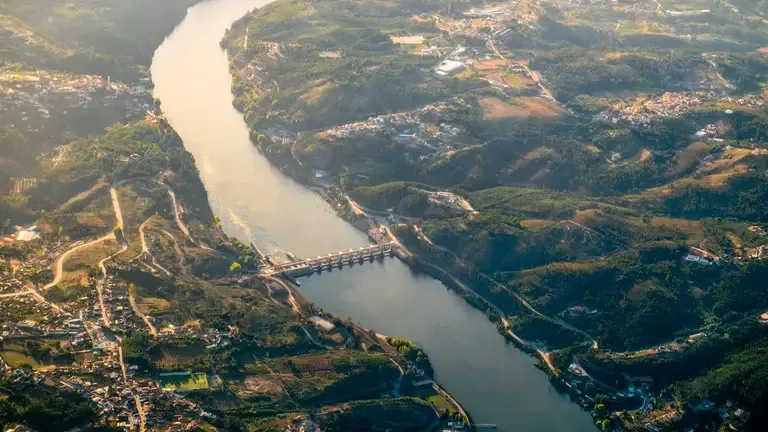
In European countries, there is an increasing trend toward dismantling old dams, locks, and other structures that have blocked rivers for decades. Last year alone, more than 600 such structures were removed, restoring the natural flow of nearly 3,700 kilometers of rivers.
Environmentalists explain that many of these structures have long since ceased to serve their original purpose, yet continue to harm the environment. That is why an increasing number of countries are deciding to dismantle them.
More than 600 dams, locks, and various river barriers were dismantled in Europe in 2025 alone. This is according to the annual report by Dam Removal Europe, which was highlighted by The Guardian. According to the study, 611 artificial barriers were removed in Europe last year. That’s 11% more than the previous year. As a result, the natural flow of water was restored along 3,740 kilometers of rivers.
This isn’t just about large dams. In many countries, old locks, bridges, and other structures that had obstructed water flow and fish migration for years were also dismantled. Iceland is a prime example. There, a dam on the Melsa River—which once provided electricity to a local farm—was dismantled. However, it had not been in use for several years.
CBEC engineer Hamish Moir explained that the structure had effectively outlived its purpose. “It wasn’t generating electricity, and sheep were living in the old power plant,” he noted. For Iceland, this was the first official instance of a river dam being dismantled. Sweden removed the most structures last year—173. Other leaders included:
- Finland—143 structures;
- Spain—109;
- the United Kingdom—35.
Experts explain that a significant portion of old dams have long since ceased to be useful. Instead, they remain a serious obstacle to river ecosystems. According to estimates by environmentalists, since 1970, the population of freshwater fish that migrate up rivers has declined by approximately 75%. One of the main reasons cited is the fragmentation of rivers caused by dams and other artificial barriers.
At the same time, experts emphasize that there are no plans to dismantle all dams indiscriminately. Some of these structures help contain the spread of invasive species, which can also cause serious harm to nature. In total, there are currently over a million different dams and barriers on Europe’s rivers. Tens of thousands of them are considered obsolete and no longer serve any useful purpose.
A new European Union law, which took effect in 2024, has spurred a large-scale river restoration effort. It requires member states to restore at least 25,000 kilometers of rivers to their natural, free-flowing state by 2030. That is why programs to dismantle old dams in many European countries continue to gain momentum, according to The Guardian.
A large-scale outbreak of salmonellosis has been reported in European Union countries and the United Kingdom, which, according to preliminary data, is linked to instant noodles. In total, more than a hundred cases of infection have been confirmed, some of which resulted in hospitalization.


