
The EU may change its approach to diplomacy — Politico
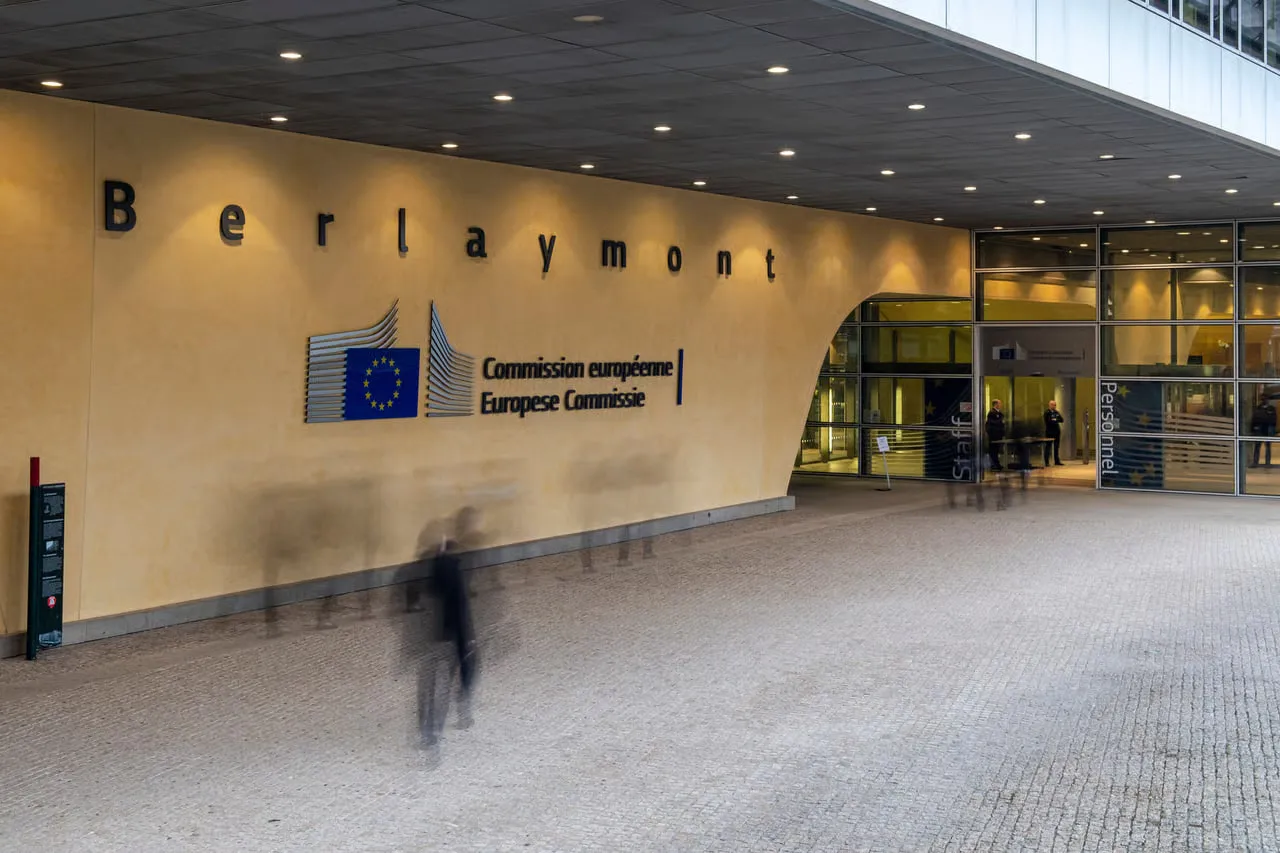
Concerns are growing across the European Union that internal political problems could undermine the effectiveness of the bloc’s foreign policy.
The EU’s setbacks on the international stage—including difficulties with funding Ukraine and an inconsistent response to the war with Iran—are fueling calls for a significant overhaul of diplomatic approaches.
This is reported with reference to Politico.
As journalists note, the EU’s inability to make unified decisions—including unblocking a €90 billion loan to Kyiv and measures to pressure Russia—exposes the bloc’s systemic paralysis. The EU risks being sidelined at a time when geopolitical decisions are being made faster than the system can process them.
Frustration over the deadlock is spilling over. A group of countries led by Germany and Sweden is insisting on a sharp restriction or complete abolition of national vetoes, which allow a single capital to block the actions of the entire bloc.
“We must abolish the unanimity principle in the EU’s foreign and security policy by the end of the current legislative term to become more capable of acting on the international stage and to truly come of age. All the experience we have gained in recent weeks through aid to Ukraine and sanctions against Russia points to this,” said German Foreign Minister Johann Wadephul.
European capitals fear that the results of EU foreign policy could become hostage to domestic politics. Even if Hungarian Prime Minister Viktor Orbán loses the upcoming elections in Hungary, diplomats have warned that the underlying problem will remain, as the unanimity principle will allow any government to block all decisions.
Another group of countries, including France, Belgium, and smaller member states that fear being sidelined, firmly defend the right of veto, arguing that it is fundamental to their national interests. “I think that starting a debate on the rules of unanimity in Europe right now would be the surest way to create real problems,” said Belgian Prime Minister Bart De Wever.
For many countries, the real problem is unanimity. As French President Emmanuel Macron and German Chancellor Friedrich Merz continue to disagree on this issue, think tanks and political parties are trying to shape the course of the discussion.
The center-right European People’s Party has put forward proposals to change the architecture of EU foreign policy, calling in its 2024 manifesto to replace the head of the EU’s foreign policy department with an “EU Foreign Minister with the rank of Vice-President of the European Commission” and to establish a Security Council that would also include partners such as the United Kingdom, Norway, and Iceland.
It should be noted that the EU is prepared to significantly increase aid to Ukraine should the war continue.
European Commission President Ursula von der Leyen held a telephone conversation with Ukrainian President Volodymyr Zelenskyy. The central topic was the blocked EU decisions regarding a €90 billion loan to Ukraine and the 20th package of sanctions against Russia.
Péter Szijjártó, Hungary’s Minister of Foreign Affairs and Trade, confirmed that Budapest has blocked the €90 billion EU loan to Ukraine.


