
The European Commission has confirmed von der Leyen's visits to Armenia and Azerbaijan
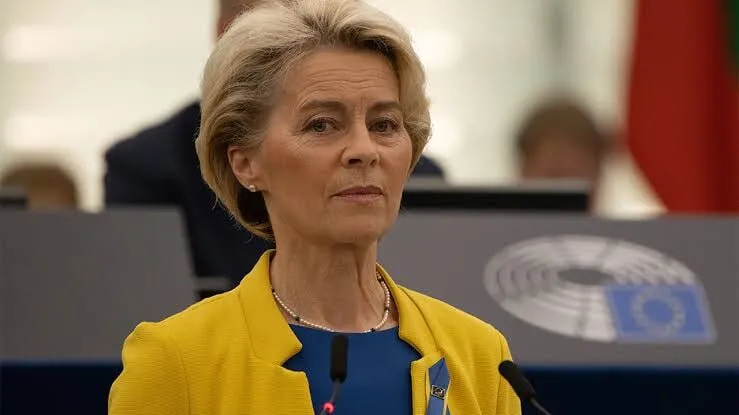
The European Commission has officially confirmed that EC President Ursula von der Leyen will make working visits to Azerbaijan and Armenia on July 1 and 2. The Commission also outlined the key objectives of the upcoming trips.
Officials in Brussels noted that the visits will focus on developing cooperation with both countries, as well as issues of regional stability, energy partnership, and deepening political dialogue.
The Commission noted that the visits will focus on four priorities: supporting the peace process following the initialing of a historic peace agreement last year; improving transport links within the region, as well as with Europe and Central Asia; deepening the EU’s economic partnership with the South Caucasus; and supporting Armenia amid economic pressure from Russia.
On Wednesday, July 1, von der Leyen will arrive in Baku. There, she will meet with President Ilham Aliyev. Following the meeting, the leaders will make statements to the press.
The next day, von der Leyen will travel to Yerevan, where she will meet with Prime Minister Nikol Pashinyan. Together, they will hold a press conference.
This will be von der Leyen’s second visit to Yerevan in the past two months, following her visit in May dedicated to the European Political Community and the first-ever EU–Armenia summit.
On June 4, the President announced a support package for Armenia as a sign of solidarity with the country, which has been the victim of trade restrictions imposed by Russia.
During the visit, von der Leyen will be accompanied by EU Enlargement Commissioner Marta Kos.
The Commission informed journalists of this on Monday, June 29, according to “EP.”
Von der Leyen mentioned a possible date for Montenegro’s accession to the EU.
Ukrainemay receive a clear roadmap for EU accession in May.
Additionally, Ukraine has received invitations from Asian countries, and the Foreign Ministry has announced new visits and agreements.
Ukraine is ready to assist with ensuring the safety of shipping in the Strait of Hormuz.


