
Finland debates recovering care costs from deceased people’s estates — YLE News
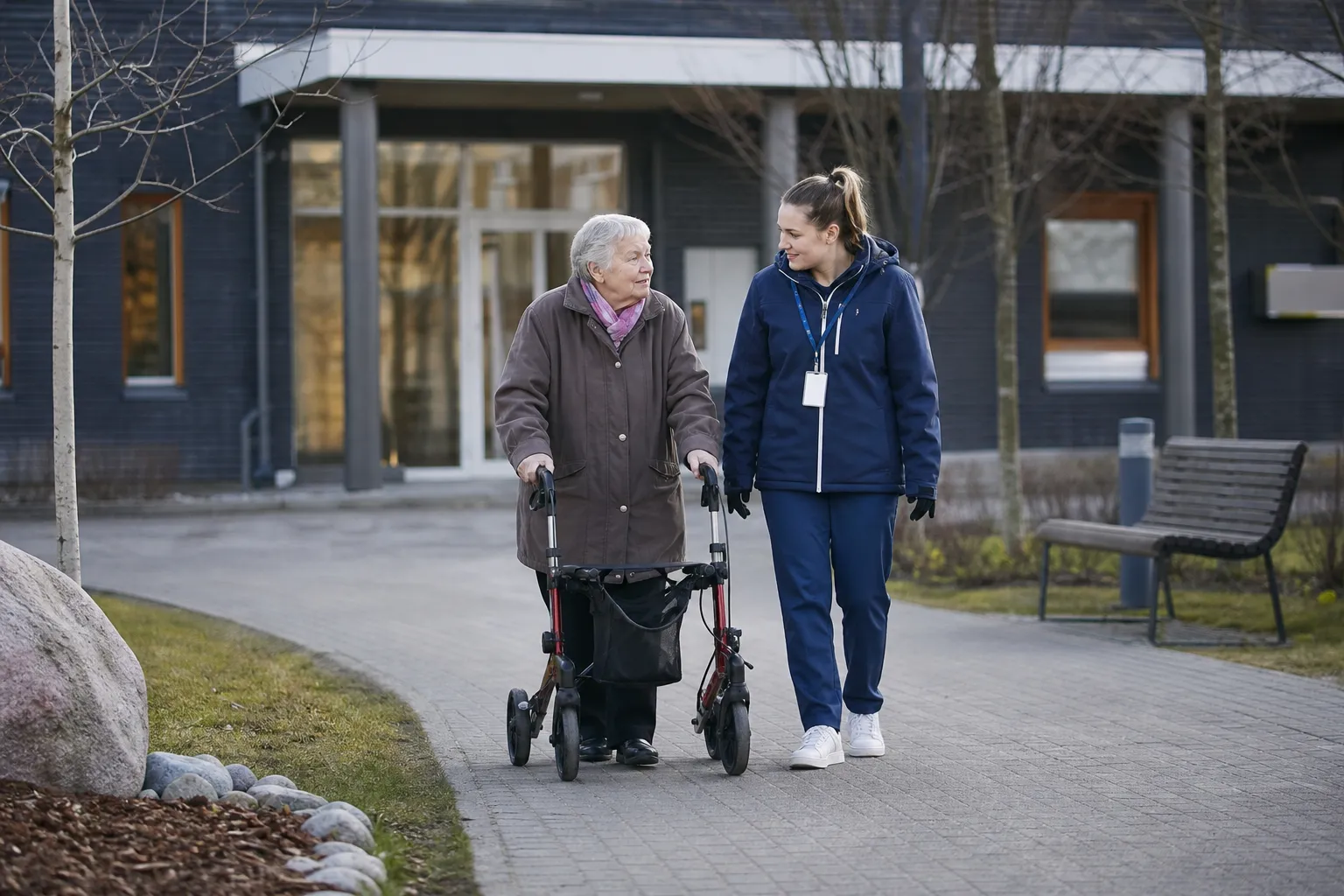
In Finland, the Commissioner for Older People, Päivi Topo, criticized a proposal to recover the costs of round-the-clock care for elderly people from the assets left behind after their deaths. According to YLE News, the idea was put forward in Verde magazine by Green Party Member of Parliament Atte Harjanne and city councillor Suvi Pulkkinen.
The politicians propose recovering costs from a deceased person’s estate if their income was insufficient to pay for care but they had substantial assets. In their view, significant wealth should be taken into account when a society facing rising public expenditure finances expensive round-the-clock care.
The Commissioner’s objections
Topo questioned why assets are proposed specifically for covering the costs of care for elderly people, while such an approach is not used in other areas of social and healthcare services. She referred to calculations according to which society’s daily costs for specialized medical care are more than twice as high as the costs of round-the-clock care.
More current news is available on the UA.News Telegram channel Telegram.
According to Topo, the current system, under which social and healthcare services are financed through tax revenues, uniform patient fees, and income-linked payments for social services, is good. She believes the system should be made more efficient, but its principles should not be changed in the proposed way.
Seeking savings
Topo stressed that recovering costs from assets, including inherited assets, would require a broad fundamental discussion of which services should be paid for with taxes. She also noted that rising costs have so far been contained primarily by reducing the number of round-the-clock care places and shifting the emphasis to care at home.
In her view, savings should be sought by paying more attention to supporting older people’s functional capacity, including accessible services to preserve their ability to walk. Improving rehabilitation could reduce the number of people who need round-the-clock care. At the same time, those who need it should receive a place in a care facility in a timely manner rather than wait for one in a specialized medical service.


